
CAT report focuses on EVs to meet climate goals
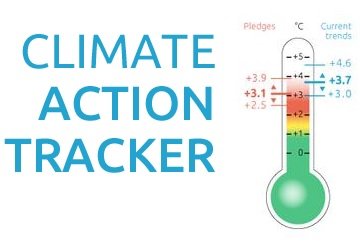 The last gasoline-powered car will have to be sold by 2035 to put the world on track to limit global warming to the most stringent goal set by world leaders last year.
This report information by a Climate Action Tracker (CAT) backed by three European research groups says a drastic shift is needed toward clean electric vehicles (EVs) and fuel efficiency since transport emits about 14% of the world’s greenhouse gas emissions.
The CAT is one of the main groups that monitors government actions to restrict global warming and includes researchers who are authors on UN climate reports. Its report focuses predominantly on the promise of EVs developed by manufacturers from General Motors to Tesla. Other options are vehicles run on biofuels or hydrogen.
The study says a greener transport sector will require a parallel shift to clean power generation to avoid charging EVs on fossil fuel power.
“EVs are still more expensive to purchase than other cars, and policy projections still only see a share of around 5% of EVs in the total European Union, China and US fleets by 2030,” says the report.
Niklas Hoehne of the NewClimate Institute comments that, “It’s striking that it’s so early — it means a huge change in the whole automobile industry.”
The phase-out is earlier than set by most carmakers. Toyota, for instance, has a ‘zero carbon dioxide emissions challenge’ for new vehicles under which it aims to cut emissions from its vehicles by 90% by 2050 from 2010 levels.
The new timeline follows a meeting last December by world leaders at a Paris summit, which set a goal of limiting a rise in temperatures to well below two degrees Celsius above pre-industrial times while “pursuing efforts” for a much tougher 1.5 degrees Celsius ceiling.
“We calculate that the last gasoline/diesel car will have to be sold by roughly 2035,” the CAT report says, to make the car fleet consistent with staying below 1.5 degrees Celsius. It assumes the last fossil-fuel vehicles will be on the roads until 2050.
Many scientists reckon that the 1.5 degree Celsius goal, seen by many developing nations as a dangerous threshold for droughts, floods and rising sea levels, has already slipped out of reach and that the two degrees Celsius limit is growing close.
They believe temperatures will almost inevitably overshoot 1.5 degrees Celsius, and that new technologies will be needed to turn down the global thermostat later this century. This year is set to be the warmest on record, with temperatures around one degree Celsius above pre-industrial times.
The other think tanks behind the report were Ecofys and Climate Analytics.



Join the conversation