
Unanimous vote for EVs from chief execs
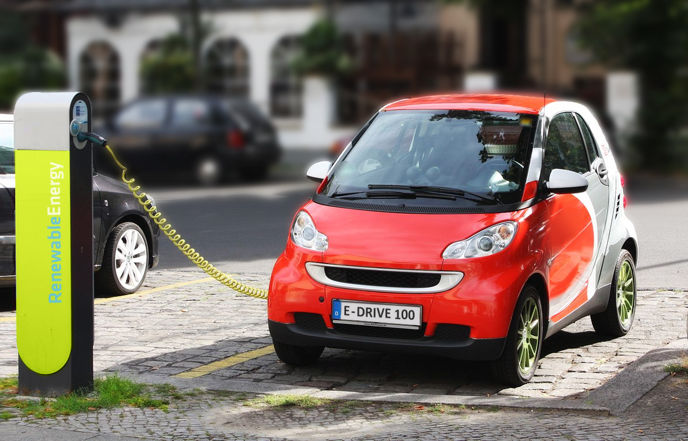
New Zealand’s chief executives agree that electric cars as the easiest and quickest way to help reduce carbon emissions.
This is according to an article featured today in The Herald, “Bring on the electric cars, say CEOs” and its survey which saw 49% of New Zealand’s chief executives responding that the country is not doing enough to transition to a low-carbon future. Some see it as an issue though that has to be resolved at the global level, with political games impeding the transition.
The article highlights how Geoff Hunt of Hawkins Group feels, “We need to make use of our mainly renewables-based electricity supply and move more rapidly to electric vehicles”. He adds that around 20% of New Zealand’s carbon emissions come from transport, and 60% of all transport energy consumption come from light passenger vehicles.
Other comments include delight at observing the rapid evolution generated by the market responding to this need (a low-carbon future), particularly with motor vehicles and power walls, by Matthew Cockram of private investment firm Cooper and Company; that electric vehicles (EVs) should be embraced as a priority by a media boss; the need to electrify the transportation fleet by an energy chairman; and that New Zealand is one of just a few countries in the world that can reasonably consider moving to renewable energy rather than a renewable electricity target.
According to Transport Minister Simon Bridges, government in association with the transport ministry, will be instrumental in accelerating the uptake of EVs to 64,000 by 2021 across government and the private sector. “That entails doubling the fleet every year from 4000 to 8000 to 16,000 – the further it goes the harder it becomes, entailing a raft of work and measures to achieve objectives,” he says.
He confirms that New Zealand is ripe for these measures as a result of its abundance of renewable electricity sources, the short commute of most drivers, and the fact that many homes have off-street parking.
Currently the incentives for plug-in electric cars is an exemption of road user chargers, which is not commonly regarded as adequate to increase uptake, with pressure on government to do more to meet its objectives.


Join the conversation