
EV boom raises BHP copper optimism
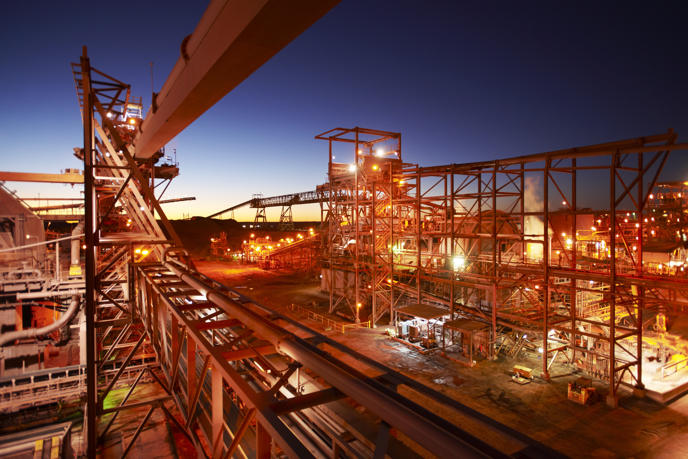
BHP Billiton, the world’s biggest miner, is justifiably keen on electric vehicles (EVs).
The Melbourne-based resources giant, which mines metals and coal used for both steelmaking and fuelling power plants, is increasingly optimistic that there will be a surge in demand for some of its products as consumers opt for EVs and other renewable energy technologies, reports Bloomberg.
“As you see more renewables and EVs, we also will see an impact on copper demand,” BHP vice president for sustainability and climate change Fiona Wild said yesterday at a conference in Shanghai hosted by Bloomberg New Energy Finance.
EVs require a lot more copper wiring than standard internal combustion engines. “EVs at the moment have about 80kg of copper in them. As they become more efficient, you see a greater amount of copper in those vehicles, so there’s always upside for copper,” says Wild.
One million EVs were sold between 2010 and last says.
By 2020, about 2.2 million EVs will be sold globally, up from 460,000 expected this year, according to the research company.
“As a powerful offset to substitution, copper is superbly placed to benefit from expanded end use demand on the back of observed trends in technology, which we expect will become material from around the middle 2020s,” BHP vice president for marketing minerals Vicky Binns wrote on BHP’s website on Monday.
Copper usage in EVs will contribute to China’s demand growing at about 3.3% a year up to 2020, according to the government’s five-year plan for the metals industry.
Demand for metals in lightweight transportation and “new energy” vehicles is part of a “new normal” for metals as the economy slows, the ministry said.
China became the world’s biggest copper consumer amid a construction boom and buildup of its electricity grid.
Copper is the poorest performer this year on the London Metal Exchange, with a gain of just four percent compared with more than 54% for zinc. The metal is suffering amid a surge in supply this year, as demand slows in China.
Copper accounts for 27% of BHP’s commodity sales, second after iron ore at 34%, according to the company’s website.
BHP has invested several hundreds of millions of dollars since 2007 in the research and development of technologies to reduce greenhouse gases, including carbon capture, it said in a report last year.

Join the conversation