
Insurers define automated vehicle regulation criteria
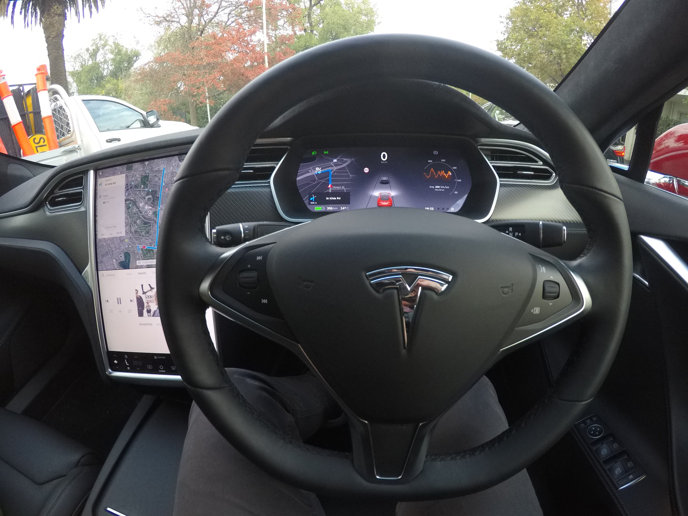
Thatcham Research in the UK is conducting an assessment of what criteria defines automated vehicles and their labelling in the future.
The British parliament is working on the Automated and Electric Vehicle Bill which requires definition of what constitutes an autonomous vehicle in order to build a regulatory framework, Insurance Times UK reports.
Insurance companies are setting out minimum criteria required to class a vehicle’s systems as ‘automated’.
A list of 10 primary features and performance criteria have already been outlined.

In addition to more immediate criteria like naming definitions, and abiding with traffic laws, other detailed conventions include location specificity and geofencing, an official transfer of control including ability to do so in unexpected circumstances, and emergency interventions to avoid accidents.
In-built systems include back-up safeguards, black box-style data recording and reporting, plus ‘safe stop’ protocols to match with emergency interventions, should the human driver fail to re-take control.
Thatcham’s director of research, Matthew Avery, says legislated definitions are important for the industry to go autonomous.
“The insurance industry welcomes the UK Government’s commitment in the Automated and Electric Vehicles Bill to create a list of automated vehicles,” he begins.
“It is crucial, therefore, that that there is a clear definition of what constitutes an automated vehicle. Regulators and insurers require this to classify and insure vehicles appropriately, while consumers need to understand the functionality and capability of the vehicle and their own responsibilities,” he says.
“Consequently, a system that needs the driver to control or monitor the vehicle in any way cannot be classified as automated.”
Ben Howarth, motor and liability senior policy adviser at the Association of British Insurers, says establishing ground rules will benefit end-users.
“Truly automated vehicles have the potential to drastically reduce road accidents, cut delays and make it easier for people who cannot drive to get around,” he explains.
“However, there will inevitably be a transition period from today’s cars to the vehicles of the future, via vehicles which offer gradually increasing levels of autonomy.
Howarth suggests the mixed-fleet will be a dangerous middle-ground as people adapt to the presence of automated vehicles.
“There is the potential for confusion during this interim stage when people could wrongly think their vehicles can be left alone to manage a journey independently,” he says.
Avoiding the hazardous confusion, Howarth concludes, will require regulatory definitions imposed on carmakers.
“Insurers want to see manufacturers being absolutely clear about how they describe what their vehicles can do – and we think this checklist of ten things which define a truly automated vehicle should be adopted across the industry to help give clarity to consumers.”
Join the conversation