
Transport future “exciting”: MoT
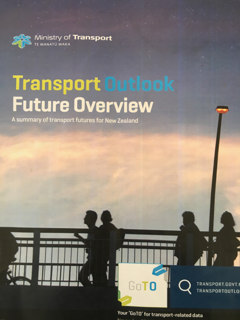 An “exciting” transport future is expected to see massive changes during the next 25 years.
A shift from car ownership to car “usership”, more driverless vehicles, reduced greenhouse gas emissions through increased electric vehicles and more fuel efficient conventional vehicles are just some scenarios summarised in the Ministry of Transport document Transport Outlook, Future Overview.
Released in November, the “GoTO” discussion document also predicts big freight growth across all modes, huge demand for transport infrastructure and new freight delivery technologies such as drones, robots and driverless vans.
Larger freight vessels are expected to visit fewer ports, leading to increased competition between ports and investment in ports infrastructure and land transport routes to and from them.
Freight tonnage is forecast to rise about 55% (237 million tonnes to 366 million tonnes), with Auckland having the largest tonnage
Massive investment is also forecast in airport and cruise ship facilities with increased tourism and a doubling of domestic air passengers.
The growing popularity of inner-city living is likely to bring more demand for public transport and walking and cycling facilities.
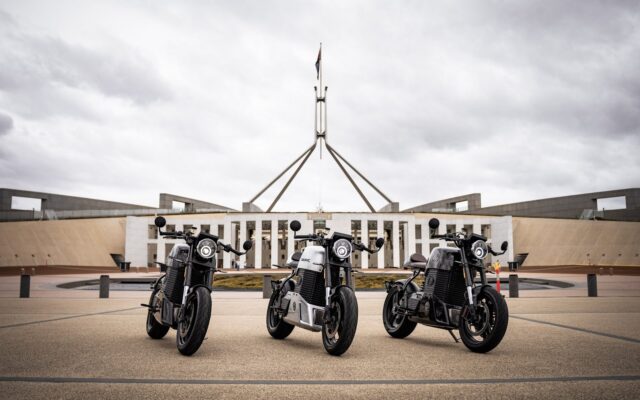
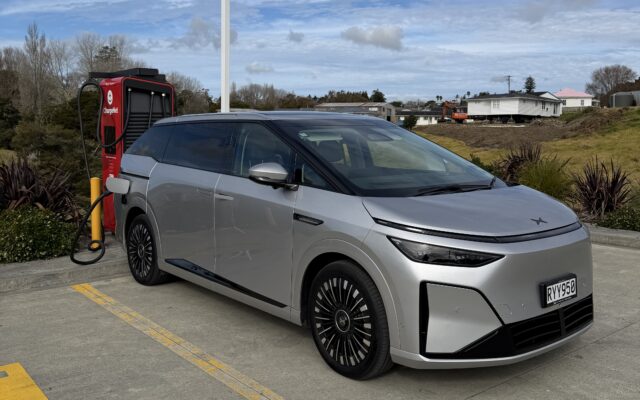
Emerging technologies such as electric vehicles along with other technologies like online networking and shopping will have an impact.
Attitudes to transport are already changing among the young with fewer applying for driver licences, the report says.
For several scenarios the document lists base cases, such as 20% of private vehicle trips shifting to vehicle sharing, increasing to 40% in the middle case and up to 60%-80% in the best cases.
Self-driving vehicles will be ordered through apps, the shift to mobility as a service bringing cheaper travel, no need for vehicle ownership and improved access for people who don’t drive.
Public transport could become any mode that a user can hire, purchase or share, while point-to-point services provide direct access to shopping centres, hospitals, large work sites and from outlying areas to transport hubs.
Increased air travel is likely to see Queenstown airport with the largest growth at about 120%, followed by Auckland airport with around 110%.
Auckland’s three-quarter share of international departures is expected to remain constant.
The document suggests land transport routes to and from airports will need improving as a result.
Vehicle kilometres travelled (VKTs) are projected to increase by 50%, with new EVs likely to reach cost of ownership parity (vehicle purchase, fuel, road user charges, repairs, insurance) with conventional vehicles in the mid-2020s.
Emissions are expected to fall by 31% from 2015-16 to 2039-40 despite an increase in vehicle fleet size and distance travelled, mainly because of more EVs and improved fuel efficiency.
All scenarios predict an initial rise in emissions to near 2021 before falling.
Visittransport.govt.nz/transportoutlook
for more information.
Join the conversation