
EV advances in range, price and charging
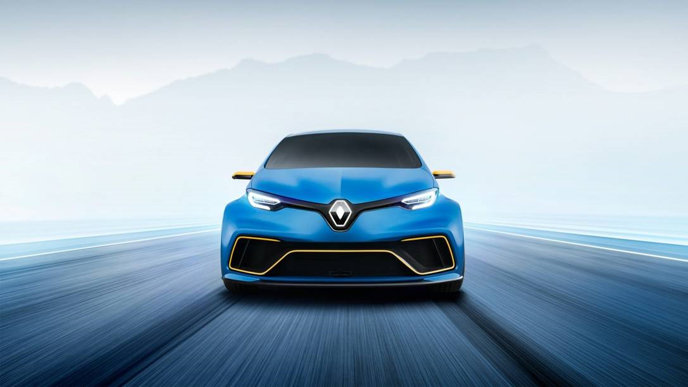
Electric vehicles used to have a set of different challenges for broad adoption by the public.
One of them was electric vehicle range, which translates to what is known as range anxiety, this is the fear of getting stranded with no battery juice in the middle of your trip. The second one is price and resale value. Finally the availability and convenience of charging stations.
Electric vehicle range is improving every year and the future promises even further improvement. Today non premium electric cars can achieve 400 km in standard test conditions and at least 300 km in normal use conditions, like the Renault Zoe ZE40.
 This car was the best seller pure electric vehicle in 2017 in Europe with approx. 31,000 vehicles sold. In relation to the first generation of battery packs this new model has doubled thee battery capacity to 41 kWh of usable energy keeping the same battery module size.
Other models with similar ranges are the Chevy Bolt with 383 km and the Tesla Model 3 with 354 km. The old barrier of 160 km range (100 miles) is a thing of the past as there are at least seven more models with ranges over this mark.
On top of that in the next 10 years we will see batteries energy density double.
The second barrier price, is moving forward in the right direction as batteries, the most expensive component will experience dramatic reductions in the following years reaching $100 USD/kWh in the next five years.
This will promote further price reduction in electric vehicles, reaching cost parity with petrol cars very soon. With the emergence of business models to make reuse of batteries after they finish their useful life in vehicles, known as battery second life, the business case for electric cars will only increase.
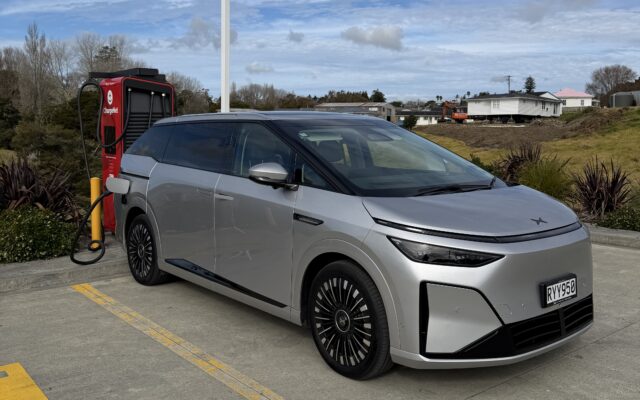
The missing link in the ecosystem is now charging infrastructure. This is now the next barrier for electric vehicles to confront. Approximately 16,000 public chargers are available in the USA, 8000 in Germany and 4000 in the UK.
If electric vehicles are to be adopted by the masses which do not necessarily have a garage where to charge their cars more public charging infrastructure will be required.
By Franco Gonzalez, principal analyst at IDTechEx
Join the conversation