
Huge growth in e-bus batteries: IDTechEx report
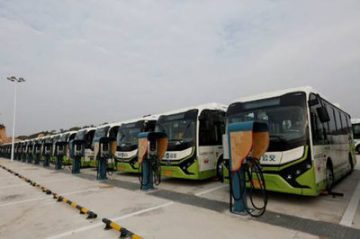 The electric bus (e-bus) market is growing at a compound annual growth rate of 23% in terms of unit sales.
The rapid growth is a game changer for the battery market as e-buses require large-sized batteries ranging from 74kWh (fast charging e-bus) to over 300kWh (slow charging e-bus).
This is why IDTechEx Research forecasts that the e-bus battery market will overtake the consumer electric sector by 2020.
The report, Li-ion Batteries for Electric Buses 2018-2028, predicts the large e-bus battery market will grow to over US$40 billion by 2028, making it one of the largest segments of the overall battery market.
This sector is expected to alter the entire value chain for battery production from material suppliers, battery manufacturers through to original equipment manufacturers (OEMs).
China is the world leader in e-buses, since 97% and 75% of electric buses and their batteries respectively are produced there.
China is seeking to dominate the battery market by retaining the entire value chain of EVs and batteries within the country. The lithium iron phosphate (LFP) variant is the most common chemistry manufactured in China and used in Chinese e-buses. However, recent changes in the country’s subsidy policy are giving lithium nickel cobalt manganese oxide (NMC) a run for its money in an effort to produce better, more energy-dense batteries.
Domestic battery manufacturers such as BYD and Lishen who largely supply the LFP battery technology to electric bus manufacturers have already embraced the policy change and started supplying NMC-based batteries.
Battery giants in Japan and Korea who manufacture the NMC battery chemistry for e-buses such as Toshiba, LG Chem and Samsung are most likely to be adversely affected.
Safety is a critical requirement, which is partly why the LFP chemistry has come to control over 80% of the market. This is in contrast to the electric car market where the battery supplier market share is more mixed and balanced between many different chemistries. In addition, the IP landscape for LFP is also more open and accommodating, removing one of the key non-capital barriers into this market and opening the way for new entrants.
This LFP chemistry, however, suffers from low energy density (90 – 120Wh/kg) and slow charging rate (average four hours in slow charging e-buses) when compared with NMC. This is why NMC suppliers are hoping to use advanced battery management systems to match LFP’s safety levels, thus creating superior batteries. NMC suppliers are also located outside China and will initially target the non-Chinese market.
These and similar trends will help create a more diverse market composition as non LFP technologies penetrate the e-bus market.
By Aman Atak, IDTechEx technology analyst

Join the conversation