
Lot required to meet emissions targets: Shaw

Greenhouse gas emissions have increased 19.6% on 1990 levels, so more needs to be done, climate change minister James Shaw says.
Carbon from road transport was one of the biggest contributors, the energy sector providing 39.8% of New Zealand’s gross emissions.
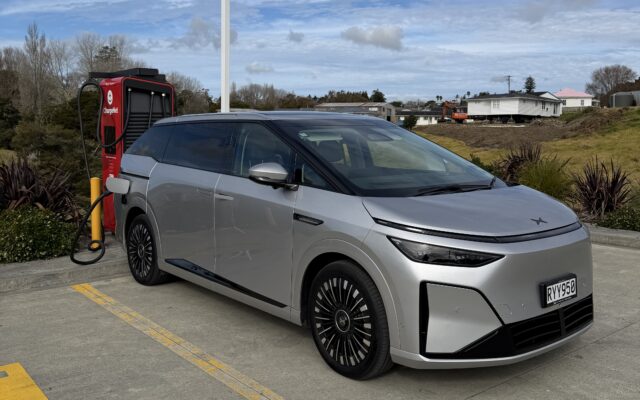
He says the Government is already moving towards a full electric fleet by 2025.
That’s shown in the latest inventory of New Zealand’s greenhouse gas emissions as at 2016.
The inventory gives a picture of how much human-generated greenhouse gas is being emitted into and removed from our atmosphere – and shows there’s still much to be done to reduce emissions to 30% below 2005 levels by 2030, Shaw says.
Gross emissions in 2016 were 78.7 million tonnes of carbon dioxide – 2.4% lower than 2015. Methane from dairy cattle digestive systems topped the list, agriculture contributing 49.2%.
“Urgent action is needed, at a level not previously contemplated,” Shaw says.
“We all need to be focused on the transition to a net zero emissions economy.
“That is why the Government is introducing the Zero Carbon Bill, which will set in law a bold, new 2050 emissions reduction target for New Zealand and establish an independent Climate Change Commission.
“The commission will recommend interim emissions reduction targets and provide advice. It will look at how we transition to 100% renewable electricity by 2035.
We’ll move to electric vehicles – the Government’s own car fleet will be electric by 2025.”
A Green Investment Fund will direct investment towards low-emissions industries.
“The inventory shows the long-term emission rise is also partly due to the increasing number of trees being cut down,” Shaw says.
“The Government’s committed to planting one billion trees over the next 10 years.”
Join the conversation