
Toyota joins New Zealand Hydrogen Association
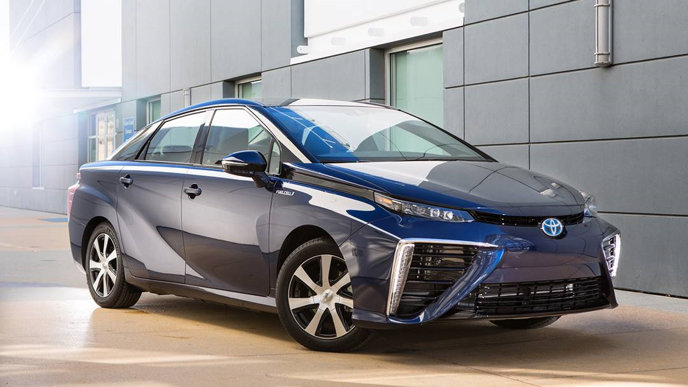
Toyota New Zealand has just joined Hyundai New Zealand as the first vehicle manufacturers on the recently established New Zealand Hydrogen Association.
Hydrogen fuel cell development is a key component of Toyota’s commitment to alternative fuel sources and sustainable motoring, helping power electric vehicles (EVs).
Toyota New Zealand chief executive Alistair Davis says joining the association is a first step towards developing an eco-system for hydrogen-fuelled vehicles in New Zealand.

“Toyota is at the forefront of developing and marketing hydrogen-fuelled vehicles with the Mirai FCEV car now available to Japanese, European and Californian drivers,” Davis says.
“By joining the NZ Hydrogen Association, we look forward to supporting and progressing the use of hydrogen in New Zealand as a low emission fuel source.”
New Zealand has an abundance of renewable electricity that could be used to produce hydrogen in a sustainable way, Davis says.
Hydrogen is mixed with oxygen in the fuel cell to chemically create electricity which is stored in the battery and powers the electric motor. Hydrogen refuelling only takes a few minutes and water is the only emission.
Davis says the high proportion of renewable electricity in New Zealand means the conversion of the national fleet to electric, hybrid and fuel cell electric vehicles will play a crucial role in meeting the commitment of the motor and transport industry to reducing carbon dioxide emissions.
Toyota Global has been moving towards low or no emitting vehicles since the 1970s. Its global goal of electrification across its range by 2025 includes hybrids, EVs, PHEVs and FCEVs. It is focusing on lower-cost, mass-market FCEV passenger cars and SUVs, and using hydrogen technology for heavy commercial vehicles.
The New Zealand Hydrogen Association was formed in September 2018 by private sector companies with seed funding from the Ministry of Business, Innovation and Employment. The founding members include Fulton Hogan, HW Richardson Group, Hyundai, Siemens (NZ), Green Cabs, Real Journeys, and Contact Energy.
Join the conversation (1)
Hydrogen fuel cells are not the future. Big oil wants them to ensure people still use gas stations. Simple as that. EV range is increasing all the time and that was one area where HFC could be an advantage.
Bob