
EV price parity closer
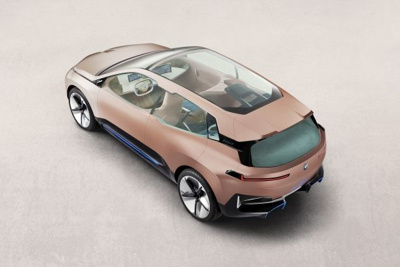
A crucial point for the electric vehicle market where they become cheaper to buy than the fossil fuel equivalent is now put at just three years away.
That’s according to the latest study from Bloomberg New Energy Finance (BloombergNEF) which backs findings from market analysis and research firm Deloitte earlier this year that price parity would be achieved by 2022.
Consultancy McKinsey and Company also put the tipping point in the early 2020s.
Last year, BloombergNEF
put the price parity at 2024, two years shorter than its 2017 prediction.
It’s now 2022 for large vehicles in the European Union, according to overseas reports which attribute much of the cost reduction to the rapidly dropping price of EV batteries, forecast to decline from about 33% of the EV’s total cost to 20% by 2025.
Even motors, inverters and power electronics could cost up to 30% less in about 10 years.
That means many other vehicles previously impractical to electrify can be switched over, Nexus Media reports. These include construction vehicles, ships and planes.
Autonomous vehicles (AVs), ride sharing and micro-mobility options like electric scooters are having a major impact on transportation too.
While start-ups are driving the changes, big vehicle manufacturers and oil companies are beginning to switch as well, developing electrified versions and venturing into charging stations respectively, illustrated at recent motor shows like the New York International Auto Show.
Some analysts even expect private car ownership to decline.
Future transport, such as micro-mobility and “trackless trams”, is the subject of the T-Tech19 conference in Christchurch on May 6 and 7, run by ITS New Zealand.
Visit www.itsnz.org for more information.


Join the conversation