
Evie exemplifies Mercury’s fleet transition
This story first appeared in the April issue of AutoTalk – CLICK HERE to download the magazine FREE
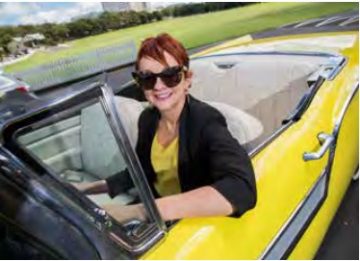
Julia Jack in Evie
Eye-catching electric vehicle Evie, a converted 1957 Ford Fairlane, is energy company Mercury’s best-known fleet vehicle.
But the Auckland-based company, which gets all its power from renewable sources, is well down the road to having nearly all its fleet electrified.
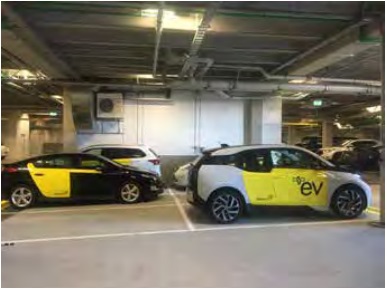
Mercury has about 73% (84 cars) among its 115-vehicle fleet electrified (BEV, PHEV or HEV), most of which it owns, giving the company one of the largest plug-in fleets in the country.
Models include the Mitsubishi Outlander PHEV, Audi A3 e-tron, Holden Volt, BMW i3, Nissan Leaf, Toyota Prius and Nissan e-NV200 van.Electric vans and trucks are being investigated as a potential replacement for utes.
Eight electric bikes have also been added which staff can use for offsite meeting or take home to share the experience with family and friends.
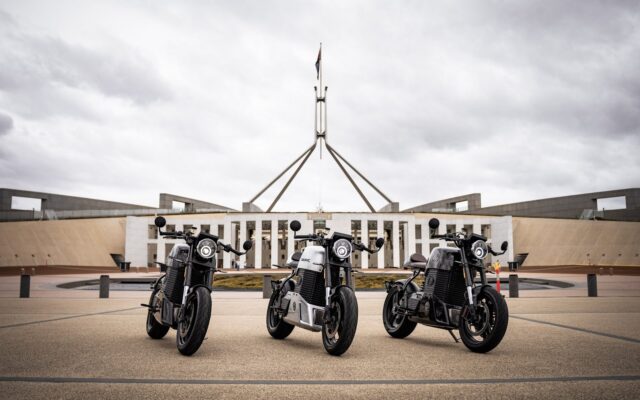
More than 30 e-bikes are used for “ride days” with the public and for people to try at Big Street Biker rechargeries in Auckland as a way for people to think about the many different types of electric transport.
Mercury has charging infrastructure installed at all of its company locations, with 12 basement chargers at its new headquarters in Newmarket and others around the central North Island making a total of 93 chargers.
Its overall fleet size is not projected to grow significantly, however, another five vehicles may be added in the upcoming year – plug-ins where practical.
The balance of Mercury’s fleet (non-EV) is required for field work in remote off-road locations where the capability and range of the vehicle is critical – the only current limitation on having its fleet 100% electric.
With technology changing rapidly Mercury hopes it won’t be long before it has viable plug-in alternatives available for these vehicles, and it looks forward to exploring and trialling new options as they enter the market.
Mercury says it’s great to see its people embracing the e-transport story – “they are by far our best advocates”.
“There’s a real sense of pride in driving on the very same renewable fuel you play a role in generating and delivering to the country,” Mercury chief marketing officer Julia Jack says.
Often staff experience an EV for the first time when travelling for work purposes, and that first-hand experience is key to advocacy.
People will then talk about with their EV experience with family and friends.
Some of Mercury’s people have bought new or second-hand plug-in cars for their personal use because they’ve had such a good experience with them and appreciate the long-term savings.
Electric vehicles are a powerful way to promote New Zealand’s renewable energy advantage, and get people thinking about how our country’s mostly renewable electricity is our single biggest opportunity to make very real changes to our carbon emissions profile.
Every plug-in car on our roads represents about a 2000kg reduction in CO2 emissions a year.
“That’s why we’re so keen to lead the way for other businesses and encourage them to convert to EVs as soon as possible,” Jack says.
Mercury, working with Air New Zealand, with support from Westpac, initiated a commitment from 30 businesses to transition 30% of their fleet vehicles to EVs by the end of this year, and it hopes to report on collective progress soon.
In terms of training, Mercury provides manufacturer/dealer training as well as in-car and online resources for staff.
All Mercury’s plug-in vehicles are branded in a way that highlights the fact that they’re running on New Zealand’s 85% renewable electricity, rather than imported fossil fuel.
“Visibility is such an important way to support uptake – the more people see them, the more commonplace they become,” Jack says.
“We can do our part with our fleet.It helps that we have such an eye-catching brand colour and logo which makes our EVs hard to miss and, of course, gets the Mercury brand out there in a way that really supports everything we are about.”
While Mercury says some electric sceptics remain, its message is to keep across developments and even “try before you buy”.
“As more models of EVs become available, with expanding capability and features, many old views don’t hold up to scrutiny anymore.”
Join the conversation