
NZ backs global effort to tackle soaring fuel prices
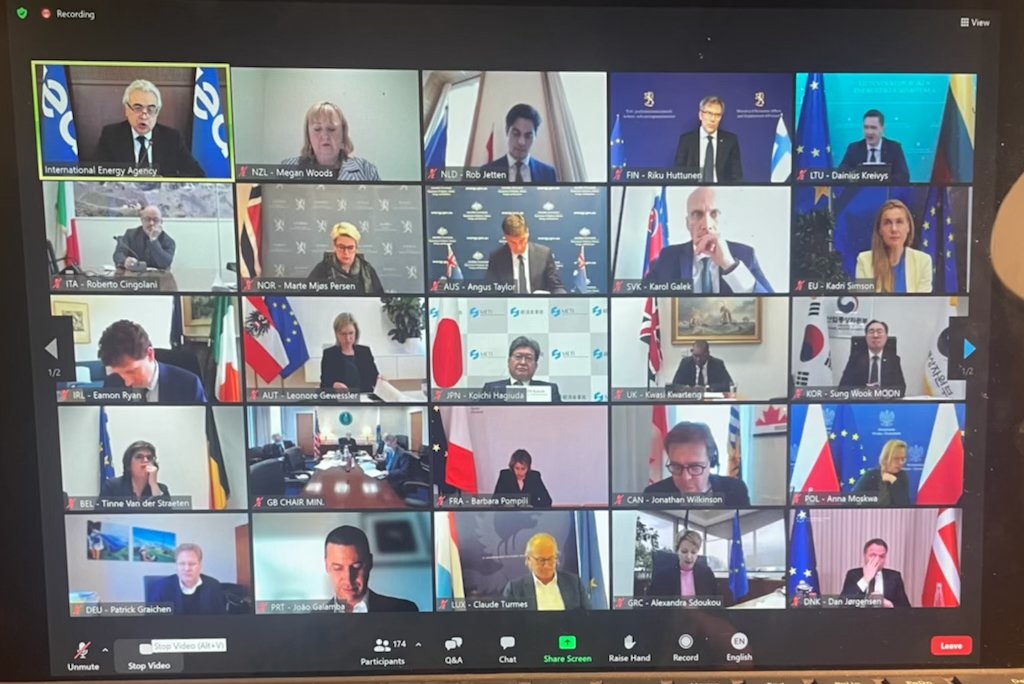
New Zealand is among International Energy Agency (IEA) member countries which have agreed to release 60 million barrels of oil from global emergency stocks in an effort to ease pressure on fuel prices.
Energy and resources minister Dr Megan Woods joined a special video conference which included energy ministers from 30 other member countries of the IEA, Woods adding: “This crisis highlights the need to transition away from a reliance on fossil fuels, not only to meet our climate change requirements, but also to ensure future world energy security.”
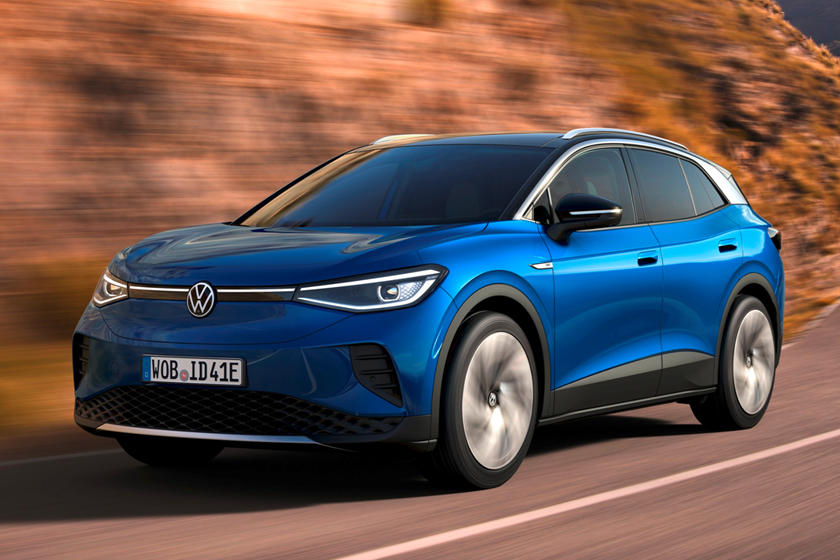
The whole issue is expected to lead to increased EV demand globally.
Woods and her counterparts condemned Russia’s invasion of Ukraine and agreed to measures to help ease uncertainty around global energy supply and prices.
It means New Zealand will contribute to a voluntary release of global emergency oil stocks held by IEA members. A process is now underway to determine what voluntary contributions member countries can make.
Members of the IEA are required to hold stocks equivalent to at least 90 days of net oil imports. New Zealand buys emergency reserve stocks that are held offshore so it can contribute to stabilisation of world energy markets.
The measures come as world oil prices reached an eight year high of US$105 per barrel in the last couple of days, adding inflationary pressures.
“Russia has used its position as the third largest crude oil producer in the world and the second largest oil exporter to weaponise energy, withholding oil and gas supplies to Europe in the months before the invasion contributing to pushing up oil and gas prices,” Woods says.
“In the immediate term, this collective action by IEA countries will ensure there is less volatility in oil prices, as a result of the market impact from Russia’s invasion of Ukraine,” she says.
In addition to the commitment to release oil stocks, each member country is encouraged to prioritise Ukraine in oil products supply, and reinforce global dialogue with gas producing countries to ensure secure, affordable and reliable gas supplies, including LNG.
The meeting was chaired by US secretary of energy Jennifer Granholm in her capacity as chair of the IEA ministerial meeting.
The ministers noted that commercial inventories are at their lowest level since 2014 and producers have a limited ability to provide additional supply in the short term.
IEA members hold emergency stockpiles of 1.5 billion barrels. The announcement of an initial release of 60 million barrels, or 4% of those stockpiles, is equivalent to two million barrels a day for 30 days.
The coordinated drawdown is the fourth in the history of the IEA, which was created in 1974. Previous collective actions were taken in 2011, 2005 and 1991.
Russia plays an outsized role on global energy markets. It is the world’s third largest oil producer and the largest exporter. Its exports of about five million barrels a day of crude oil representing roughly 12% of global trade.
About 2.85 million barrels a day of Russian petroleum products represent around 15% of global refined product trade. Around 60% of Russia’s oil exports go to Europe and another 20% to China.


Join the conversation