
Audi drops focus on synthetic fuels after years of development
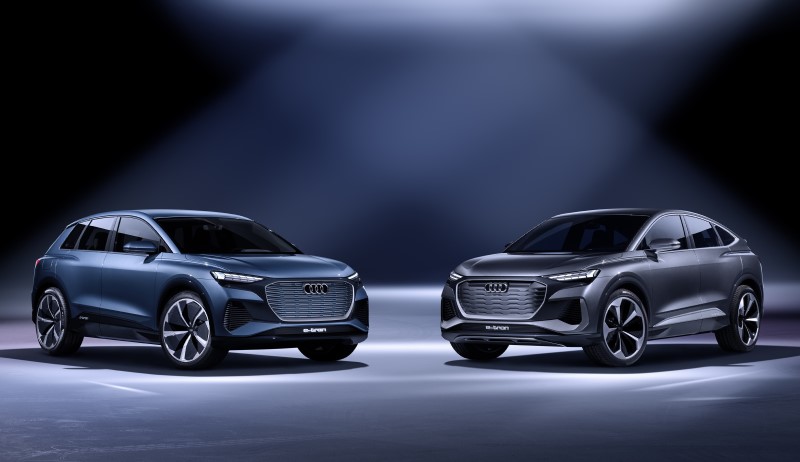
In 2017, Audi announced big plans to invest in the development of synthetic fuels as an alternative to traditional fossil fuels, as the motoring world began its pivot towards electrification.
Five years on, the German company has conceded that synthetic fuels are not the future of private vehicles.
The claim comes via a Top Gear UK interview with Audi technical development chief Oliver Hoffman, with Hoffman indicating that while synthetic fuels might be a viable solution in other industries, Audi doesn’t identify them as an emissions solution in cars.
“Synthetic fuels are just a bridging technology for us,” he says.
“For other industries – boats and aeroplanes etc – this can be a solution for the future. Our future, and to be honest the future of personal mobility, will be battery electric vehicles.”
Hoffman made similar noises about hydrogen, an alternative often touted as a valid rival for electric vehicles; particularly in the commercial and trucking space.
“Hydrogen technology is not rocket science. We are able to develop this technology, but the problem is getting green hydrogen,” Hoffman adds. “The most efficient way for us to reduce CO2 emissions is battery electric mobility.”
Audi has already announced that it plans to phase out the production and sale of internal combustion vehicles in almost all markets by 2033.
Hoffman’s claims come almost five years after the brand announced it would be investigating making its own synthetic fuel, namely an ‘e-diesel’.
“Audi e-diesel has the potential to make conventional combustion engines operate almost CO2-neutrally,” the brand said at the time.
“There are plans to produce the first quantities of e-diesel in Laufenburg as early as next year. Audi and the project partner companies Ineratec and Energiedienst AG will submit the planning application for the facility in a few weeks’ time. Construction work is to begin in early 2018.”
Hoffman’s claims appear to be separate from sister brand Porsche’s plans to offer synthetic fuel commercially in the coming years. The brand aims to have its fuel available to consumers for approximately US$2.00 a litre by 2030.

Join the conversation