
E-mobility benefits expected in Auckland Parking Strategy
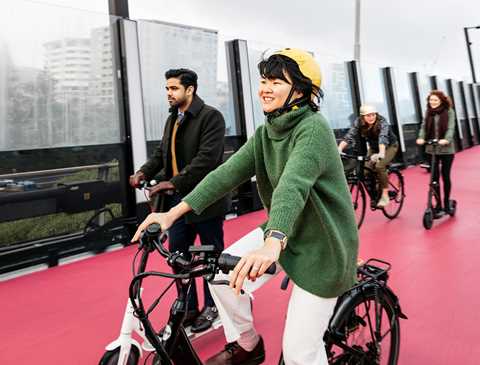
Private car parkers could be pinged and e-mobility forms like electric scooters gain more space under a draft Auckland Parking Strategy on which feedback closes May 1.
The strategy proposes changes to how parking is managed across Auckland city, mainly to free up some of the most gridlocked roads and reduce transport emissions.
Pending both Auckland Transport Board and Auckland Council Planning Committee approval on March 31, Aucklanders will be asked to have their say on the proposals throughout April.
Its focus is on ensuring people can move efficiently around Auckland, no matter what their mode of travel is.
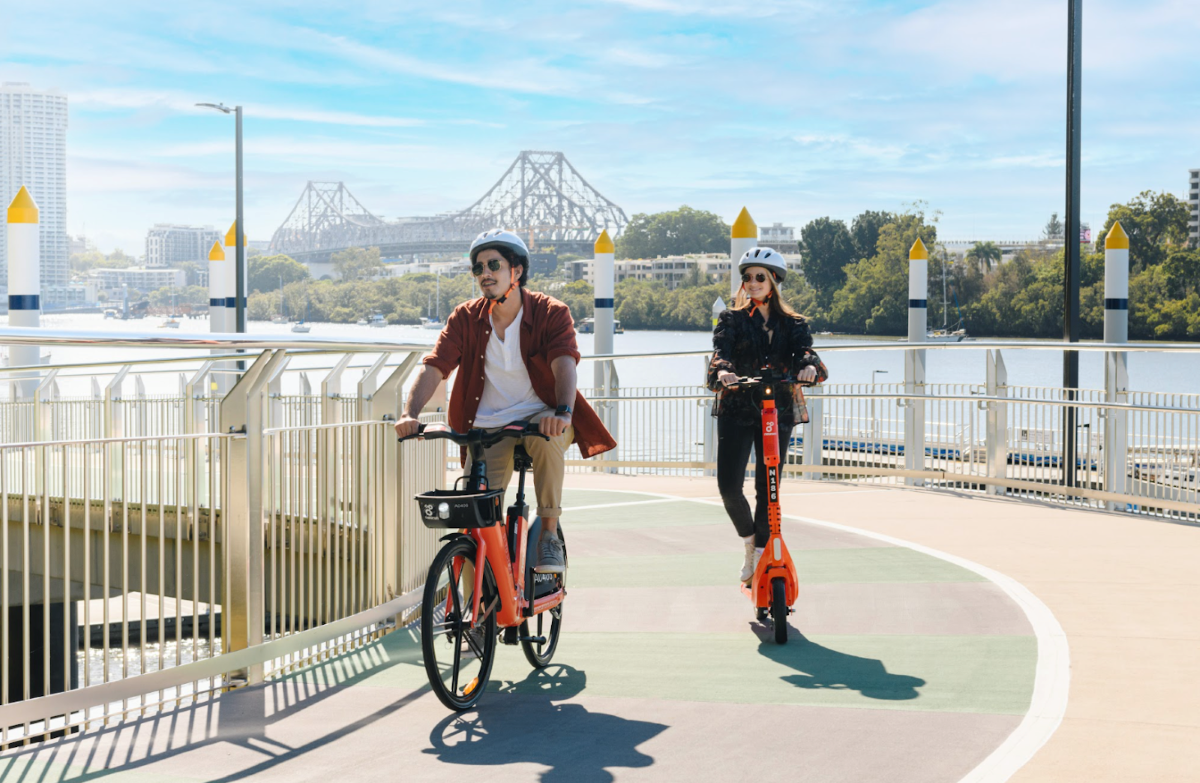
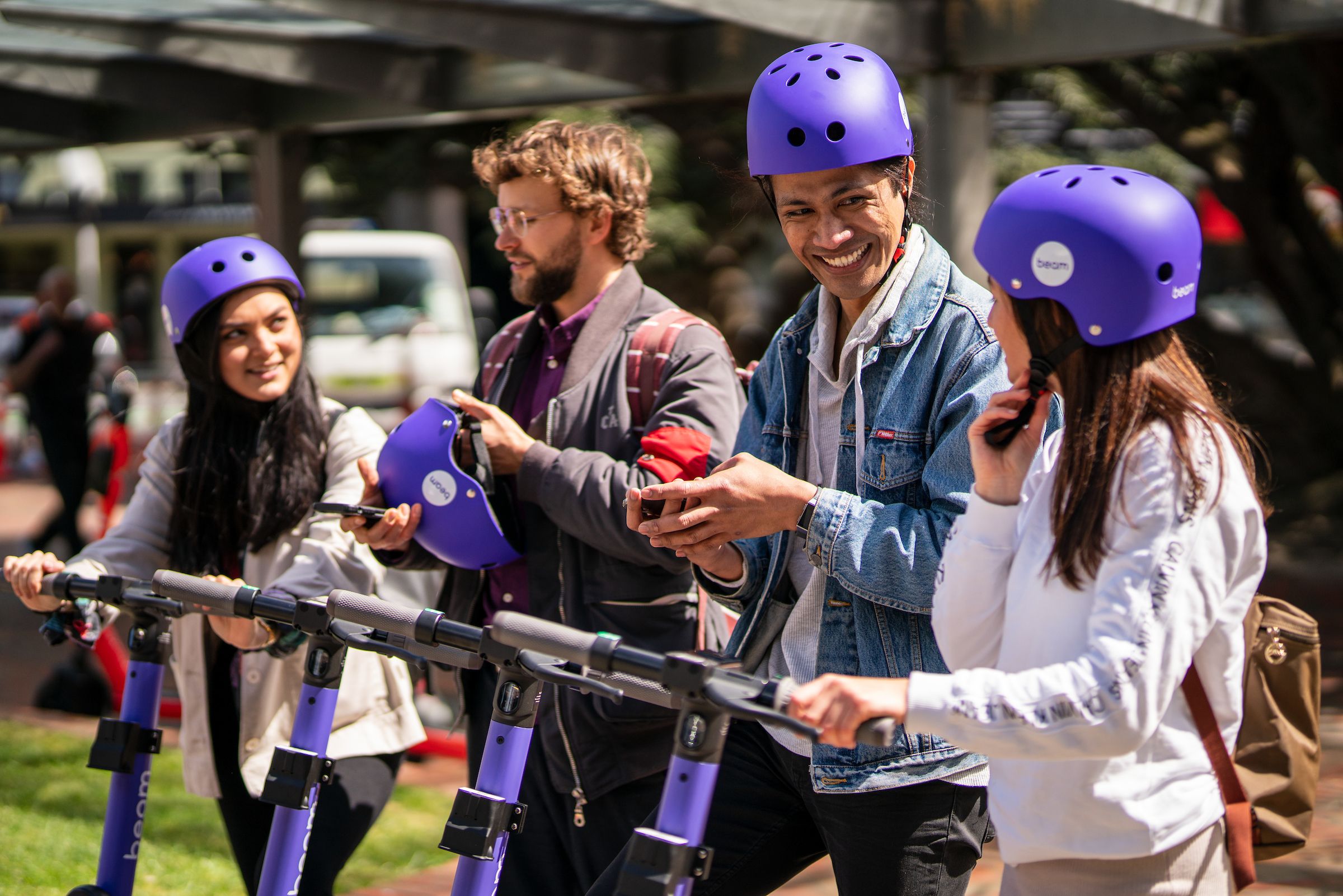
Electric vehicle parking, ride share and car share, cycling and micromobility are included in the draft strategy aimed at getting people out of private cars and onto public transport like electric trains and buses to help meet emission and carbon goals.
Auckland Council planning committee chair Chris Darby says the draft strategy would allow communities to flourish as parking spaces are transformed to give genuine transport choice and to make streets more liveable.
“Parking affects everyone whether they own a car or not,” he explains. “Space allocated to parking influences how much space is available for footpaths, cycleways, street trees, buses and high occupancy vehicle lanes, as well as affecting how much is invested in public transport.”
Darby says some of Auckland’s busiest streets have become fulltime carparks, storing cars and holding up communities instead of enabling travel across the city.
“Auckland faces significant population growth over the next decade, which has the potential to add more congestion on our roads. Private vehicle use is also a major contributor to the city’s transport emissions, which need to be reduced,” says Auckland Transport planning and investment executive general manager Jenny Chetwynd.
“To address these challenges, we need to decrease vehicle kilometres travelled (VKT) and enable active modes and public transport to serve our communities far more than ever before – and this means making space for them on our busy road corridors.
“By rethinking how we can use our roads for movement of people, rather than movement of cars – or even storage of cars – our city will become a place where everyone can connect and move efficiently.”
Chetwynd acknowledges vehicles still have a big role to play in how Aucklanders get around for the foreseeable future.
“Changes in parking management will have benefits for drivers too, especially those who rely on our roads for their work such as the freight and trade sectors.
“It’s important to note that any changes will be rolled out progressively over the next 10 years and individual communities will be consulted with.”
Users of free Park and Ride facilities may face parking charges suggested at around $2-$4 daily initially.
“AT will need to actively manage them as a premium offering to customers. This will include enforcement of these spaces, and a pricing model, to make sure they are being used for their intended purpose.”
“By introducing a fair user-pays model, and by linking public transport fares to Park and Rides in the future, we will be able to help ensure that only public transport users are parking at these facilities,” Chetwynd says.
“Our experience of the paid Matiatia site on Waiheke shows that with affordable, fair pricing, Park and Ride usage will remain high.”

Join the conversation