
Transporting NZ critical of proposed RUC changes
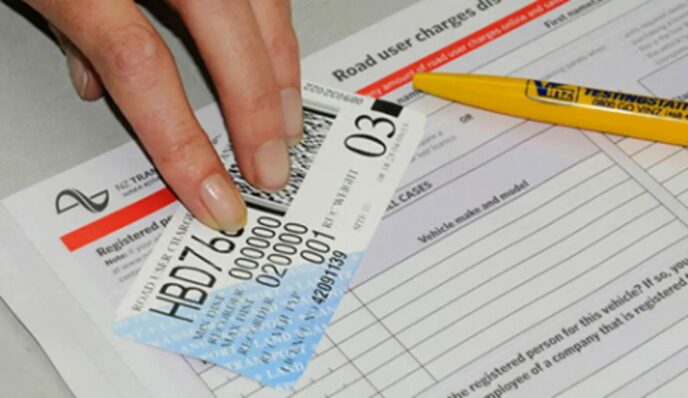
Proposed changes to the road user charges (RUC) system to collect more funds for the Government’s climate change agenda is “barking up the wrong tree”.
That’s according to road transport body Transporting NZ which has made a submission on the RUC review being undertaken by the Ministry of Transport which includes EVs.
The discussion document, Driving Change: Reviewing the Road User Charges System, covers a range of options, from simplifying compliance and making better use of technology to considering how to modify RUC to better address issues like climate change and other government priorities.
However, Transporting NZ chief executive Nick Leggett says the road transport body strongly opposes the idea of “adding costs to a simple user-pays system to clip the ticket on unrelated externalities at the whim of the Government”.
“Especially when it is unclear where the extra funds sourced would go, other than into that great big bucket called ‘climate change’ – transparency and accountability seem to be out.
“The beauty of many of New Zealand’s taxes is their simplicity. RUC works well because vehicle drivers pay for the road they use and those vehicles that create more pavement wear, pay accordingly.
“Transporting New Zealand supports the principle that funds paid by road users through RUC, fuel excise, and vehicle registration fees should be used predominantly to pay for road construction and maintenance and Police Commercial Vehicle Safety Team (CVST) enforcement.
“The clarity of the RUC system has been its strength, and although not perfect, it offers a level of transparency and rigour that has many benefits. Any dilution or reduction in its integrity will be detrimental to good policy making,” Leggett says.

Leggett points out there are already other taxes and levies in place for road transport externalities such as the Emissions Trading Scheme (ETS) to manage greenhouse gases, and the ACC levy for injuries related to road crashes.
“Using the RUC system to recover externality costs risks collecting revenue over and above that due, and it follows that misallocation of resources will result,” he says.
RUC review
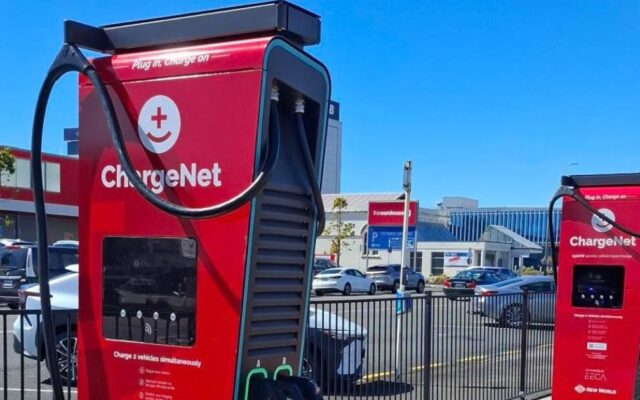
RUCs are paid by all vehicles that use fuels other than petrol or are heavier than 3.5 tonnes. Light electric vehicles (EVs) are exempt from RUC until March 31, 2024 and heavy EVs are exempt until the end of 2025.
It’s expected some of the proposed changes could be in place as early as mid-2022 with more significant changes to legislation no earlier than 2023-2024.
In launching the discussion document, secretary for transport Peter Mersi says New Zealand has a “pioneering system to recover the costs of wear and tear to our roads, especially that caused by heavy vehicles”.
“This system remains world-leading but needs to evolve to adapt to changes in technology and in the transport sector.
“Some of the proposals will also give us an opportunity to reduce the costs of administering RUC, improve compliance and the value for money delivered by this system,” Mersi says.
Some of the questions considered in the document include:
- Whether the heavy EVs RUC exemption should end on December 31, 2025, and if the exemption should be widened to also exempt hydrogen powered vehicles or other new fuels?
- Should all heavy vehicles start using electronic RUC, and should we move away from paper labels for RUC and registration?
- Should the RUC system be able to charge for things like noise pollution and congestion, rather than just road wear and tear on the roads?
- Can RUC be used to support the government’s emission reduction commitments and the uptake of cleaner technologies?
- Should electric motorbikes or all-terrain vehicles (ATVs) used on the road pay RUC?
- Can other changes be made to improve the enforcement of RUC, like checking odometers at Warrant and Certificate of Fitness (WoF/CoF) inspections?
*Submissions on the document closed on April 22.


Join the conversation