
US$3b for EV battery making and supply chain
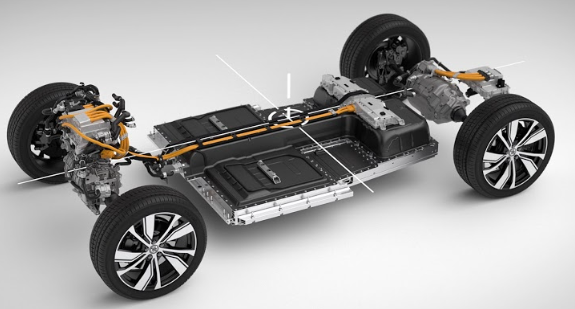
US$3.16 billion in funding from president Joe Biden’s Bipartisan Infrastructure Law to make more batteries and components in America and bolster domestic supply chains has been announced by the US Department of Energy (DOE).
It will support growing EV and energy storage demands through increased battery manufacturing, processing, and recycling, helping with the creation of new, retrofitted, and expanded commercial facilities.
DOE is also announcing a separate US$60 million to support second-life applications for batteries once used to power EVs, as well as new processes for recycling materials back into the battery supply chain.

Both funding opportunities aim to support the president’s goal to have EVs comprise half of all vehicles sales in America by 2030.
The Bipartisan Infrastructure Law directs more than US$7 billion to strengthen the US battery supply chain, which includes producing and recycling critical minerals without new extraction or mining and sourcing materials for domestic manufacturing.
It also includes US$7.5 billion for EV chargers, US$5b for electric transit buses, and US$5b for clean and electric school buses.
“Positioning the US front and centre in meeting the growing demand for advanced batteries is how we boost our competitiveness and electrify our transportation system,” says US energy secretary Jennifer Granholm.
“President Biden’s historic investment in battery production and recycling will give our domestic supply chain the jolt it needs to become more secure and less reliant on other nations—strengthening our clean energy economy, creating good paying jobs, and decarbonising the transportation sector.”
With the global lithium-ion battery market expected to grow rapidly over the next decade, DOE is working with industry to prepare the US for increased market demand.
By the end of March 2022, more than 2.5 million plug-in EVs have been sold in America.
Battery costs have fallen more than 90% and since 2008, and energy density and performance have increased rapidly, DOE says.
Responsible and sustainable domestic sourcing of critical materials used to make lithium-ion batteries—such as lithium, cobalt, nickel, and graphite—will help avoid or mitigate supply chain disruptions and accelerate battery production in America to meet this demand and support EV adoption.
Michigan senator Debbie Stabenow says: “For too long, other countries have been outpacing the United States in funding new technologies.”


Join the conversation