
Emissions Reduction Plan revealed: EV rebates extended, goals confirmed
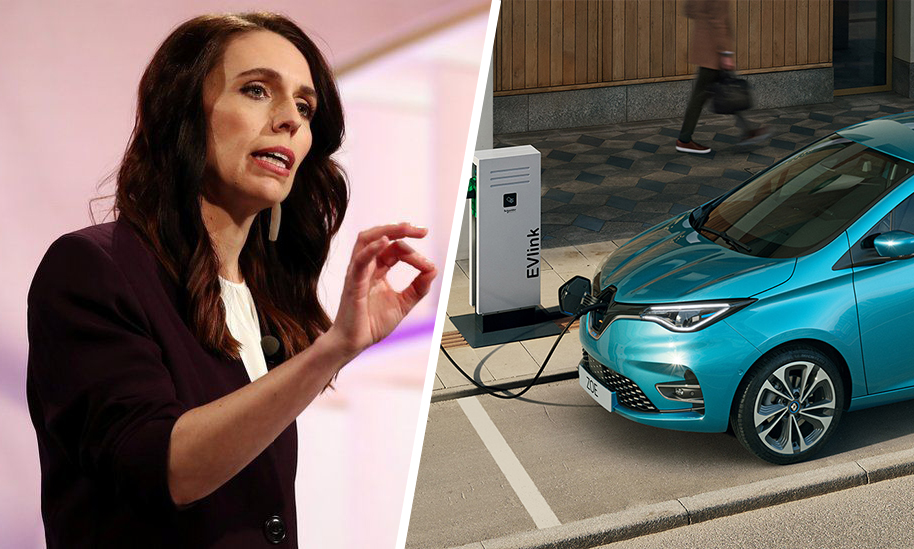
The coalition has unveiled its Emissions Reduction Plan (ERP), a move that prime minister Jacinda Ardern describes as “a landmark day in our transition to a low emissions future”.
The plan details change that will impact waste, food production, manufacturing, building, and construction sectors. But inevitably it’s the transport sector taking centre stage.
The government states that it wants zero emissions vehicles (pure electric vehicles and hydrogen vehicles) to make up 30% of the national light-vehicle fleet by 2035.
To make this happen, it will “continue to incentivise the uptake of low- and zero-emissions vehicles through the Clean Car package” while also considering “the future of the road user charge exemption for light vehicles beyond 2024”.
The plan also underscores the need to improve the national electric vehicle charging network, staring that it’s a requirement to “ensure that all New Zealanders can charge when they need to”.
Part of this push includes the proposed introduction of a ‘scrap-and-replace’ scheme, designed to lower the age of the average vehicle on New Zealand roads and similar to what we have seen in other countries.
The plan comes at a cost of $4.5b, which the government says will be paid for in part by New Zealand Emissions Trading Scheme via the Climate Emergency Response Fund.
“We’ve all seen the recent reports on sea level rise and its impact right here in New Zealand. We cannot leave the issue of climate change until it’s too late to fix,” says Ardern.
“The [ERP] delivers the greatest opportunity we’ve had in decades to address climate change but also move to a high wage, low emissions economy that provides greater economic security by creating jobs, upgrading the country to run on more clean energy, supporting nature, and improving infrastructure.
“Addressing climate change now means we can bring down the cost of living. […] Reducing our reliance on fossil fuels will shield households from the volatility of international price hikes while reducing transport and energy bills.
“The Government’s actions over the past four and a half years have bent the curve of our emissions trajectory, and this plan will now accelerate our emissions reduction.”
The government also wants to see greater adoption of low emissions vehicles in trucking and public transport. The ERP details plans to cull the import of internal combustion buses by 2025, and for the full public transport fleet to be ‘decarbonised’ by 2035.
Read more: Mercury says it can power 375,000 electric vehicles
This dovetails with plans to create “easier, cleaner, cheaper public transport, including infrastructure projects in Auckland, Wellington and Christchurch and nationally integrated ticketing”. It also aims to cut emissions from the freight industry by 35% by 2035.
Climate change minister and Green Party co-leader James Shaw echoed the prime minister’s remarks, staring that the ERP will “ensure New Zealand is on track to meet the climate targets this Government has put in place all while creating new jobs”.
“Over the last four years this Government has put in place a framework for bold, enduring climate action that will reach across governments, across parliaments, and across generations. Because of this work, New Zealand is on track to bend the curve of its emissions downwards for the first time in its history,” says Shaw.
“The plan we have published today lays the path towards a net zero future where more people can purchase EVs, our towns and cities have world-leading public and active transport infrastructure, our highest emitters have switched to clean and reliable energy, our farmers are growing food in ways that help the climate, and more of our homes are warmer and more affordable to heat.”

Join the conversation