
Mercury says it can power 375,000 electric vehicles
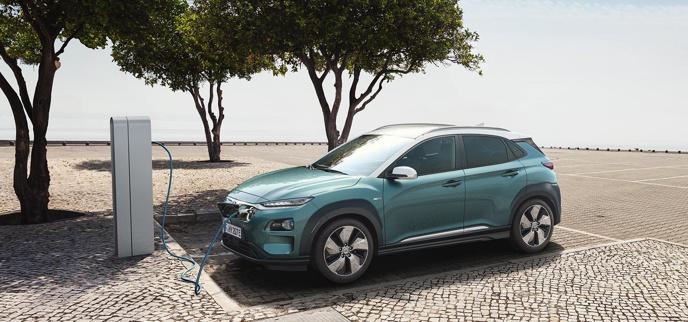
Energy and resources minister Megan Woods says the government wants to reduce the country’s dependence on imported fossil fuels through the Emissions Reduction Plan (ERP) and energy company Mercury says it can support that with more than enough electricity generation for 375,000 electric vehicles.
Woods says the ERP will protect consumers from future global energy price spikes by investing in electricity infrastructure to support fuel-switching to cleaner economical alternatives and develop roadmaps for energy, hydrogen, and offshore renewables for greater affordability and security of supply.
Mercury New Zealand Limited chief executive Vince Hawksworth says a collective effort from all sectors will be required to achieve emissions reductions in a fair and equitable manner for all.
“Our electricity is already low emissions and our renewability is growing, with our total electricity supply expected to over 90% renewable in the next 3-5 years.
“The sector has an outstanding renewable generation pipeline to meet anticipated growth in demand. This includes our own Turitea wind farm in the Manawatū which will be New Zealand’s largest wind farm, with enough generation to power approximately 375,000 EVs.
“All Kiwis should have equitable access to low carbon transportation and lifestyle options. Public and private sectors must work together to best address the challenges of affordability and access.
“We are in a great place to support other sectors like transportation and industry in their own decarbonisation efforts, Hawksworth says.
Woods says the drive to a more resilient future will get a boost from the Climate Emergency Response Fund in Budget 2022 to encourage the switch to cleaner energy options.
She says approximately $5 million over two years will provide funding to develop measures that support a reliable and affordable electricity supply while accelerating the move to a highly renewable electricity system.
“Rising global energy prices we cannot control shows that we must wean ourselves off expensive fossil fuels,” Woods says.
“Our energy and industry sectors make up 27% of our total emissions. That’s why we are committing to significantly expanding the Government Investment in Decarbonising Industry Fund or GIDI, which sees the Government partner with major process heat energy users, helping them cut costs as well as emissions.
“We’re investing around $650 million over four years to increase the size of the funding available to the GIDI programme. There will also be targeted investment at a regional level for projects that optimise low emission fuel use, funding for electricity transmission and distribution infrastructure upgrades to support fuel-switching.
“The original $69 million GIDI fund helped fund 53 major industrial decarbonisation projects – all contracted for completion by April 2024 and over their lifetime are estimated to save 7.46 million tonnes of CO2, equivalent to taking 134,800 fossil fueled cars off the road,” she says.
Budget 2022 also includes support for an energy efficient equipment scheme that will help businesses to buy and install high efficiency electrical equipment used for industrial and commercial processes, including specifically electric motors and electric heat pumps.
Another component will help commercial buildings replace fossil fuel use for space and water heating, and be more energy efficient.
Almost $18 million over three years will support the transition to a low carbon economy through the development of an energy strategy, a regulatory framework for offshore renewable energy, and a roadmap for development and use of hydrogen.
“We need to do more to address strategic challenges, and signal pathways away from fossil fuels. We are looking to a National Energy Strategy to provide some of the sought after certainty industry and consumers have been asking us for,” Woods says.



Join the conversation