
All-electric households could save ‘thousands’
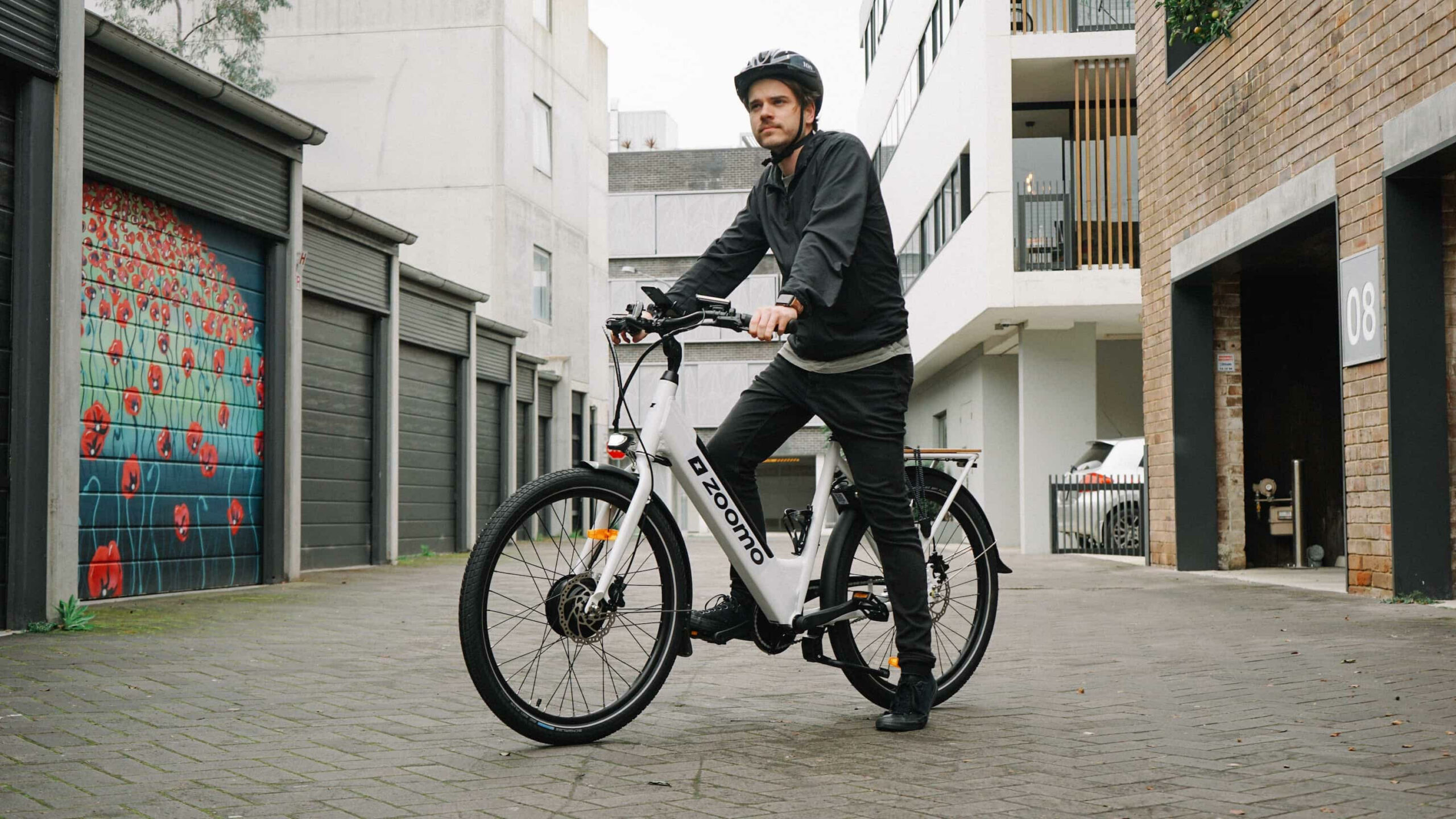
Kiwi households switching to e-mobility and fully electric appliances will eventually save thousands of dollars a year, with benefits starting in 2025.
That’s according to new research from economic consultancy Sapere, commissioned by the Electricity Networks Association (ENA) to forecast the average New Zealand household’s total energy expenditure on a range of different scenarios through to 2040 based on data the Climate Change Commission used in its modelling for the Government’s Emissions Reduction Plan.
Kiwis tend to split their energy consumption into two buckets – fuel for vehicles and gas and electricity for homes, but it’s important to look at energy consumption as a whole, says ENA chief executive Graeme Peters.
“As we rely more on electricity to power our daily lives, our monthly electricity bills are going to increase. However, this can be more than offset by a reduction in our gas and petrol costs,” Peters explains.
“Sapere’s analysis suggests that while the upfront costs of buying new electric appliances and an EV today make it more expensive to make the switch, the balance shifts as early as 2025.
“From that point on, including upfront purchase and finance costs, the annual energy spend of households that are all-electric is lower than those using fossil fuels, and that gap grows with every year.”
Transitioning a household in 2028 could potentially save about $750 a year from that point on for the lifetime of electric appliances and an EV when compared to fossil fuel equivalents. By 2040, the difference is more than $2000 annually, the research suggests.
These savings are only indicative, as future prices for gas, fuel or electricity cannot be predicted with any certainty, ENA qualifies/
The Climate Change Commission’s modelling assumes wholesale electricity prices stay under $100 per megawatt hour through to 2035 and fuel prices only increase in line with the price of carbon.
Higher fuel prices, as already seen this year, result in greater savings for all-electric households as would EV prices dropping faster than is currently forecast (the model assumes price parity with petrol or diesel vehicles by 2033).
On the flip side, higher interest rates would increase the cost of financing the transition to electricity and therefore reduce the potential savings, as would higher electricity prices.
“Regardless of variables like energy prices, there is going to be a crossover point this decade where going all-electric will begin to generate savings,” says Peters.
“For a lot of Kiwis, in time these savings will amount to thousands of dollars.
“There is however an equity issue in play that needs to be considered. As it stands, wealthier households will be the first to benefit from energy savings as they can afford to buy EVs, which is where the major cost savings are going to be found.
“The upfront costs will be a barrier for a lot of New Zealanders, particularly until EVs drop in price and a secondhand market emerges.”
Electricity lines companies are investing in the network already, but more is needed, according to Peters.
“At the moment our regulatory system cannot easily accommodate the growth in network investment that’s needed,” he explains.
“Boston Consulting Group recently estimated that lines companies will need to spend $46 billion by 2040. On an annual basis that is more than double the $955 million spent in 2021 on replacing or expanding our networks.
“This will inevitably flow through to higher household electricity bills, which could be quite substantial for consumers in some regions,” says Peters.
“The good news is if we’re prepared to spend a bit more now we can be confident we will save more – financially and environmentally – in the long-term.”



Join the conversation