
First drive: Is it an EV? e-Power brings EV drive, without the battery
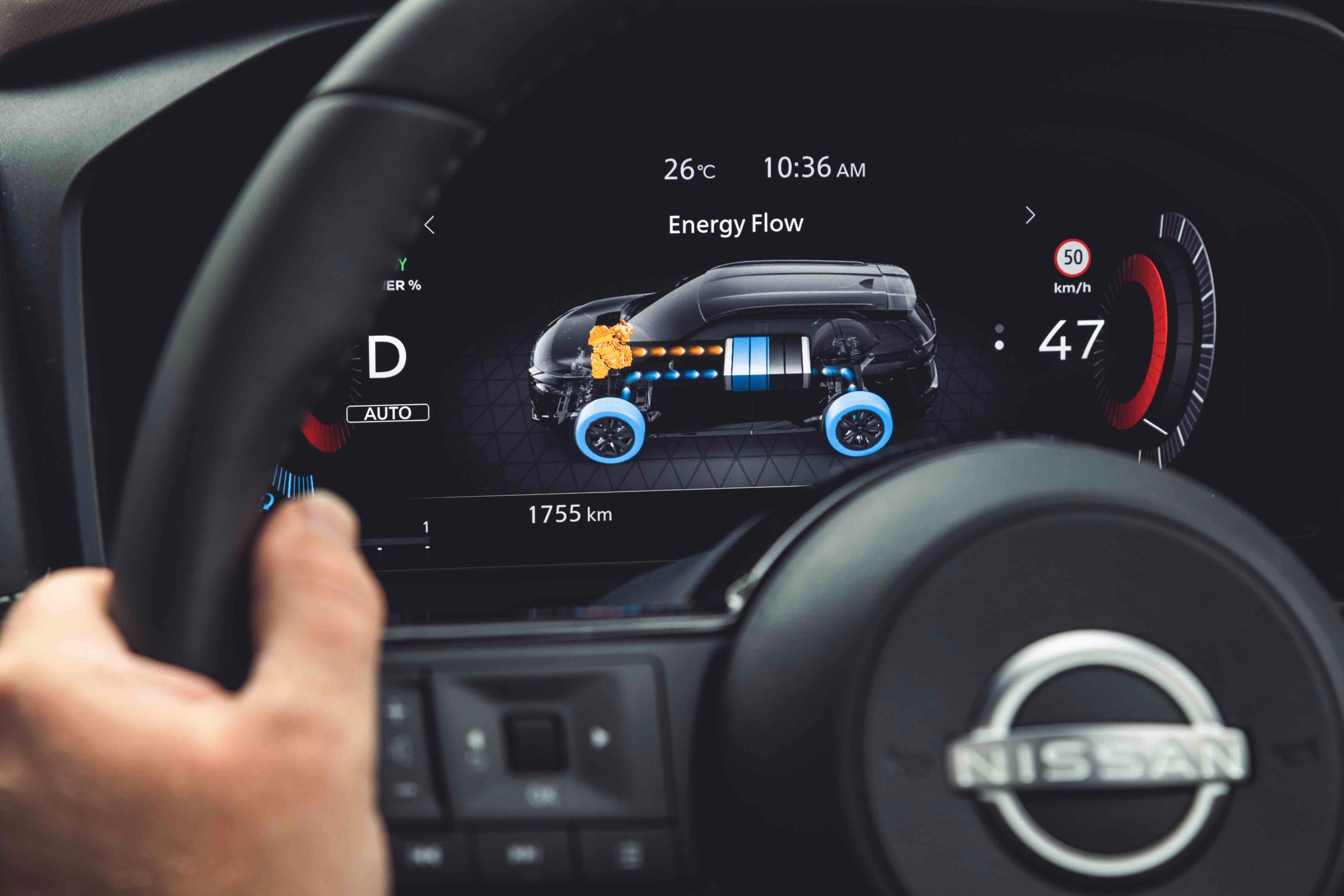

Nissan has rolled out its new generation e-Power with e-4orce drivetrain in New Zealand, with drivability trumping other factors in the brand’s move to electrification.
Unlike conventional hybrid systems, Nissan’s innovative e-POWER technology delivers a constant EV-like drive experience, thanks to the driven wheels being powered only by the electric motors, so response is always instant, linear and smooth.
Nissan management admit the vehicle remains a stepping stone to full electric vehicles, and the Ariya electric SUV remains on its way to NZ, but for now it may be an option for some wanting to experience some of the EV advantages.
“This is a true best-of-both world’s solution, delivering the smooth and immediate acceleration of an EV, only without ever needing to plug in,” says Nissan New Zealand Managing Director Ben Hamilton.
“The Nissan X-Trail e-POWER with e-4ORCE isn’t an evolution of an ICE powertrain, it’s a true bridge to Nissan’s fully electrified BEVs, like the LEAF or Ariya, delivering an EV-like drive experience, along with the confidence to travel as far as you need to.
Designed to act as flagship models in the X-Trail range, the e-POWER with e-4ORCE power-train is available on the generously equipped X-Trail ST-L and Ti-L trim levels. While two-wheel-drive versions are available overseas, New Zealand will exclusively take e-4ORCE twin-motor all-wheel-drive variants, in keeping with the model’s flagship standing in the X-Trail range.
The electrified X-Trail family begins with the ST-L e-POWER with e-4ORCE ($62,990 ), followed by the top-of-the-range X-Trail Ti-L e-POWER with e-4ORCE ($66,990). Both are offered five-seat only, skipping the seven-seat format offered in some petrol models.
Auto Media Group was lucky enough to be part of a select group of motoring media that attended the launch of the ePower system in Australia, and got the chance to sit down with Adam Robertson, deputy director of the Nissan Technical Centre Europe and a leading figure in the setup of ePower.
He says Nissan’s approach with ePower is to provide the electric vehicle driving experience.
“This drives like an EV. And we know from our EV customers that people love it. EVs have the highest level of satisfaction for the way they drive,” Robertson explains. “We know the traditional hybrids have the lowest level of satisfaction.”
What he is referring to there is the ‘rubber band’ like disconnection of engine revs to progress experienced with other hybrid systems.
“We wanted to avoid the very disconnected, CVT-like sound you get from some hybrids.”
It is potentially not as efficient, however, with its 6.1-litres per 100km fuel economy rating lagging behind that of the Toyota RAV4’s 4.8-litre figure – though a Nissan exec at the event questioned if the Toyota figure was as reliable as Nissans.
RightCar suggests the car is neutral under the Clean Car Discount Scheme.
To be fair to Nissan, we drove a challenging rural 300km route on the launch, with consumption pegging itself to 7-litres per 100km. This is impressive for the environment and closer to test cycle figures than we would usually expect.
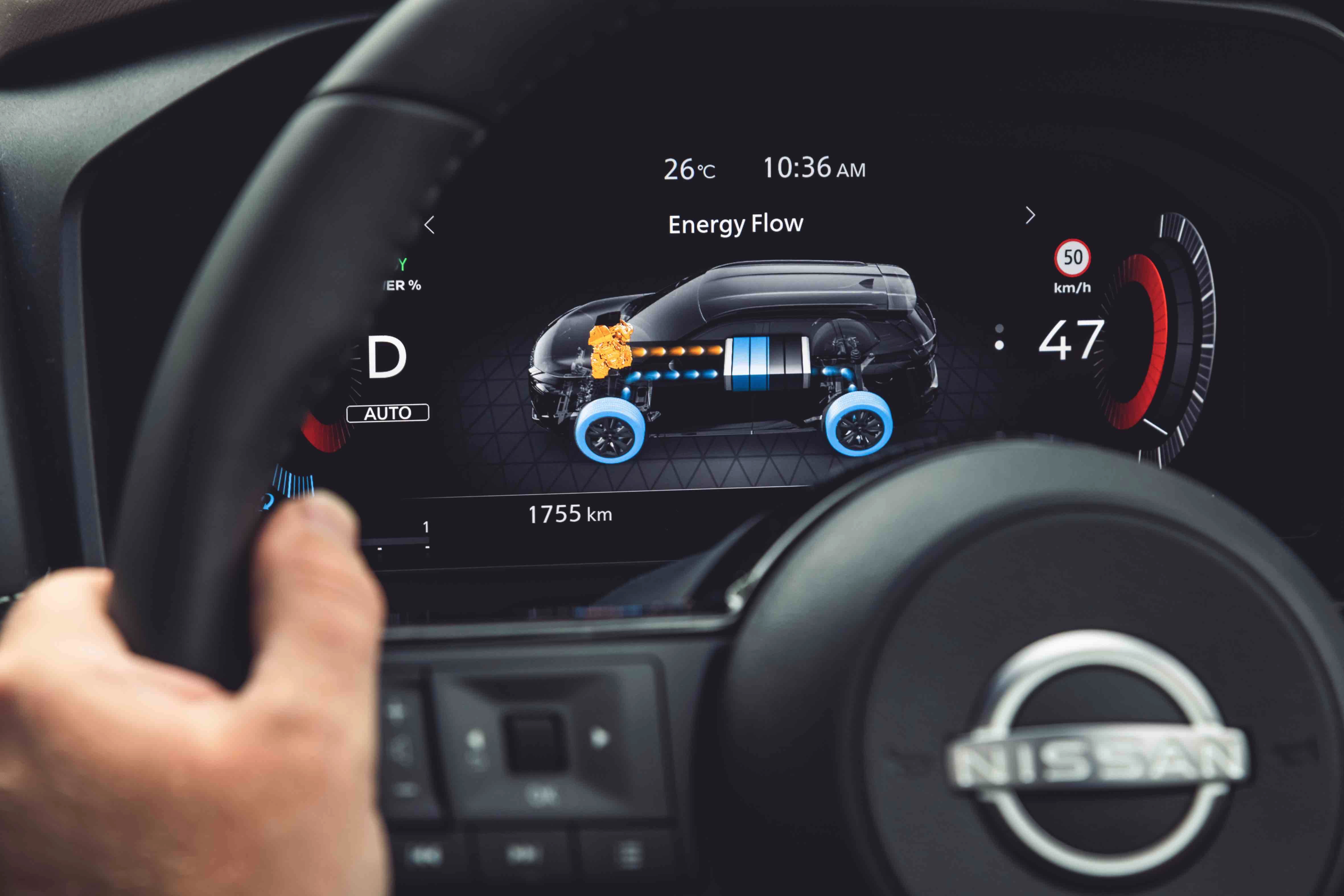
The X-Trail’s e-POWER with e-4ORCE system is comprised of a 2.1kWh battery integrated with a turbo-petrol engine, power generator, inverter and twin electric motors (150kW front axle, 100kW rear axle). Total system output is 157kW.
The engine is compact and lightweight, and is engineered to deliver high torque from low RPMs. The X-Trail’s 1.5-litre turbo-petrol three cylinder engine acts as the perfect generator. Under heavy acceleration, and when the battery is low, the petrol engine will deliver power not just to the battery, but to the electric motors, ensuring consistent acceleration no matter the battery status or driving conditions.
Thanks to the pure electric motor drive, there is no delay as with an internal combustion engine or traditional hybrid. Throttle response is instant. A ‘linear linear tune, which governs the operation of the petrol engine, ensuring that it’s spinning at an appropriate speed relative to road speed, avoiding the “rev-up” effect of traditional hybrids under hard acceleration. It can run very short distances as an EV.
The electric nature of the drivetrain makes the all-wheel drive system incredibly responsive – up to 10,000 times faster than a mechanical 4WD system. In addition, the constant torque redistribution, including torque vectoring side to side, and near-perfect weight balance contribute to reassuring handling and ride comfort.
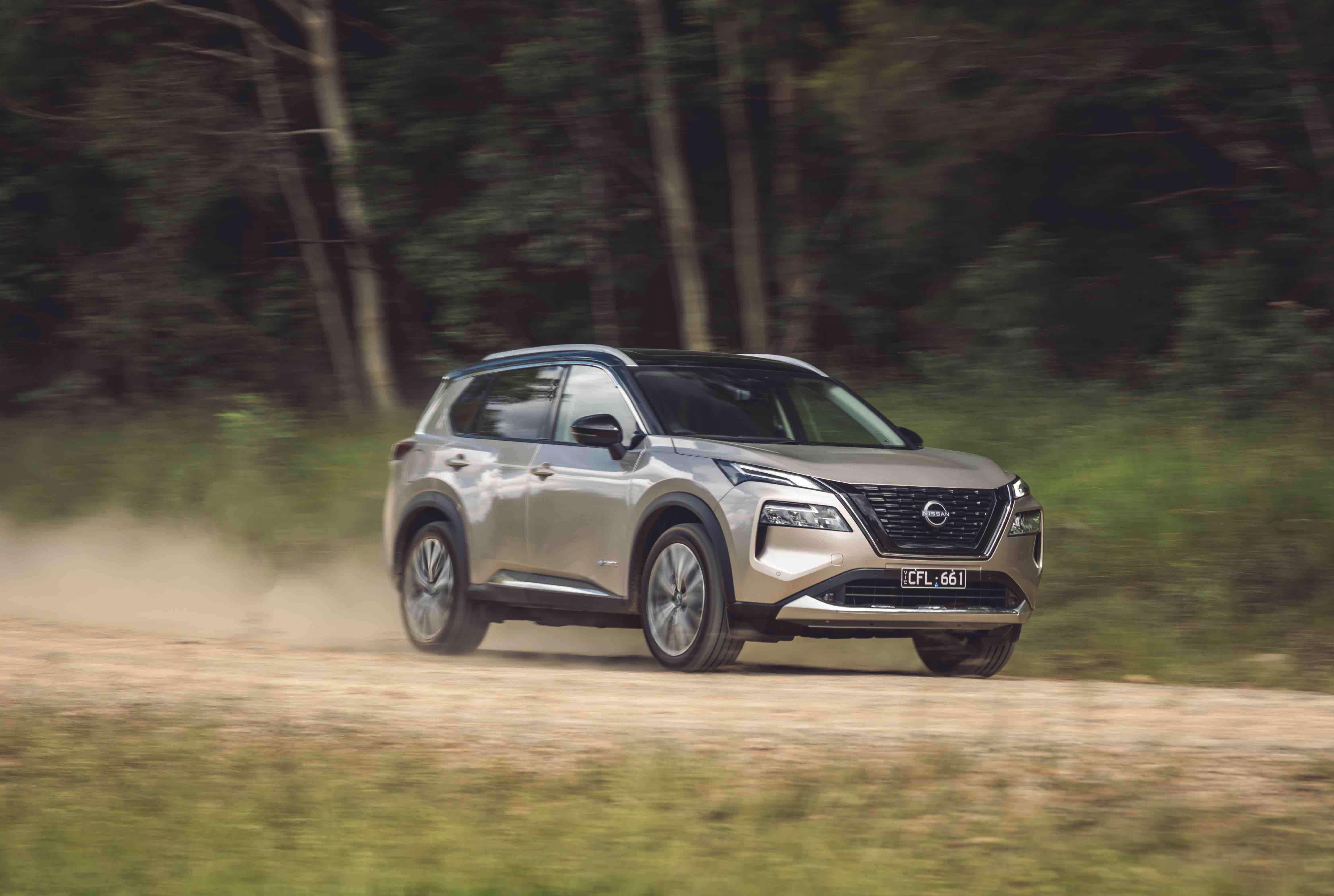
It really is impressive to drive, with twisty hinterland roads and mixed surfaces failing to catch out the system. Despite weighing in at over 1.9 tonnes, the X-Trail is now one of the more engaging and capable drives in the segment with this drivetrain.
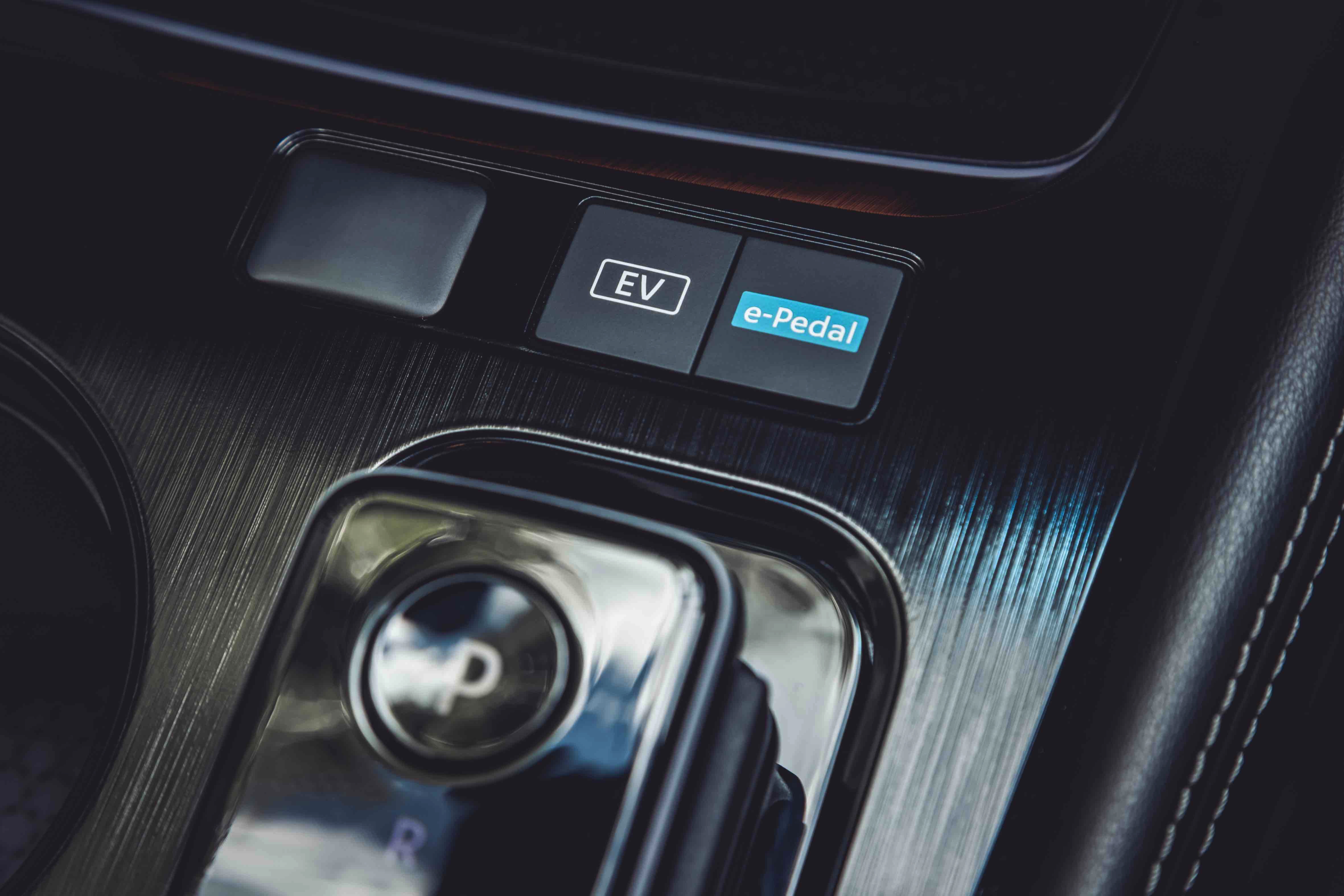
The system takes a little getting used to as unlike other similar systems it mechanically moves the brake pedal to match the feel it would provide.
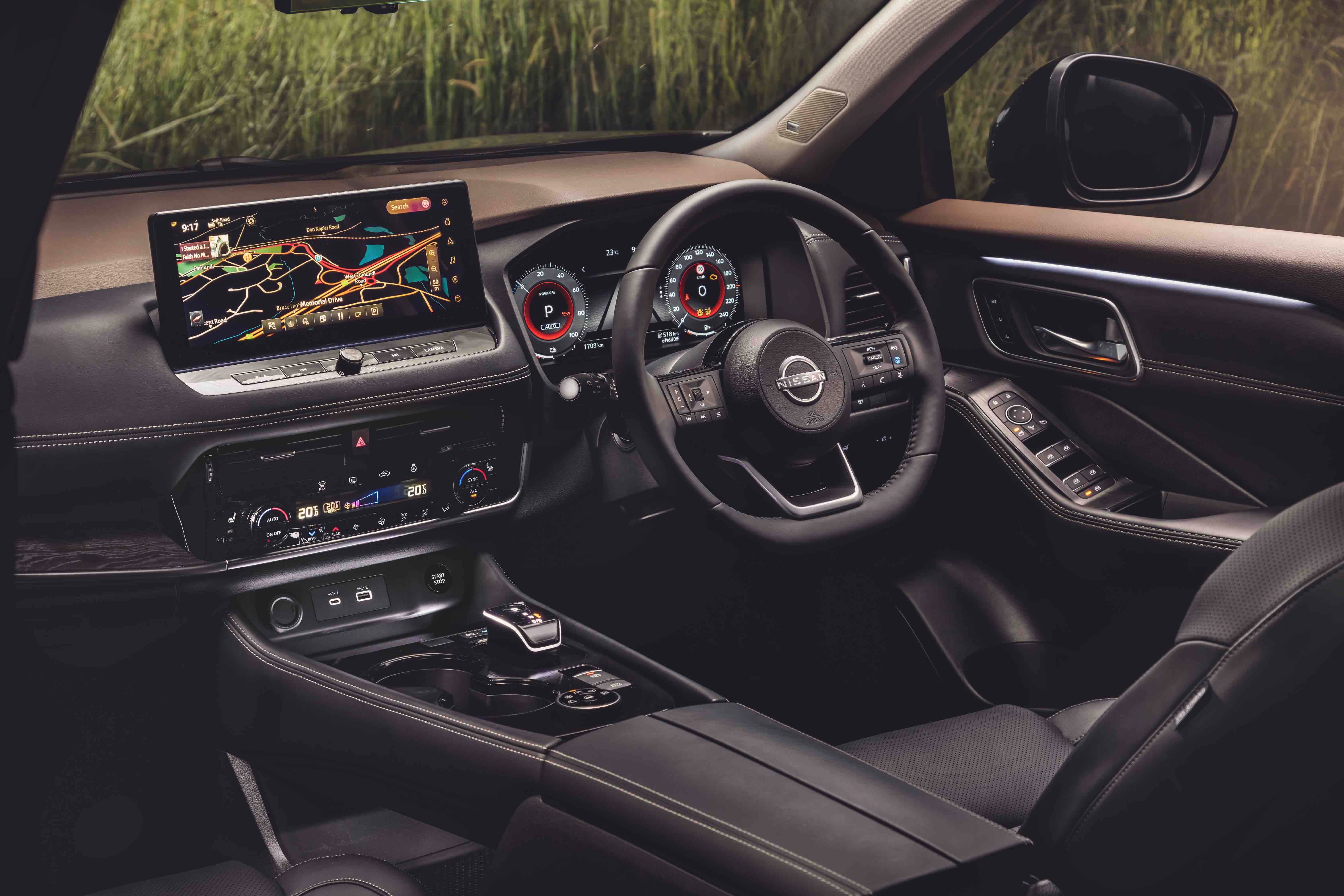
Aside from the drivetrain, the two e-POWER models otherwise echo the standard X-Trails that are already finding favour with consumers. They offer a solid family-SUV experience, with the now-expected huge LED screens, up to 12.3-inches, the segments largest heads-up display, a solid suite of driver assistance features under the ProPilot title, and much more.
The question will be whether buyers, and dealers, can convince themselves the drivability is worth it over the efficiency.


Join the conversation