
NZ EV charging change
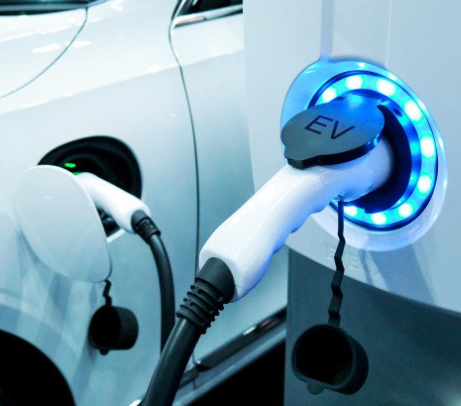
New research by the Energy Efficiency and Conservation Authority (EECA) shows increased use of public EV chargers – from 49% in 2021 to 76% this year – mostly for long trips.
That’s a key reason for EECA’s Low Emissions Transport Fund (LETF) making $3 million co-funding available for holiday journey (or destination) charging, the round nine applications closing May 17.
“We have identified 25 locations on 14 popular holiday routes that need an increased charger presence,” says EECA transport general manager Richard Briggs.
“We want to see as many as possible of these chargers operational by Christmas. EV drivers should absolutely have the confidence to take off on a holiday without feeling nervous about range or queuing.”
Charging at home remains the most common form of topping up – 97% of current EV owners charge at home at least some of the time, with 80% doing more than half their charging at home, according to the February 2023 survey.
EECA research highlights the speed at which New Zealand’s EV fleet is growing, and the ways in which the needs of these new EV drivers are changing.
It shows the age of battery electric vehicles (BEVs) on the road has shifted – with 74% of respondents owning a 2019 or later model, compared to the previous 2021 survey, in which just 30% of respondents owned a comparatively new model.
The new vehicles in the fleet have bigger batteries – which means a changing pattern of usage of the public charging network, says EECA.
“EECA has long been committed to ensuring New Zealand’s charging infrastructure is set up to help EV drivers charge where and when they want,” says Briggs.
“This research gives us, as well as our partners in government and industry, useful insights into where to focus future development.”
Reported barriers to use included a lack of public chargers throughout New Zealand (42% of 712 responses say that), while 55% of respondents say having to queue for a charger stops them from using public chargers more often (Aucklanders particularly noting this is an issue).
Most respondents (93%) were BEV owners, 12% owned a plug-in hybrid (PHEV) and 74% of respondents had EVs from 2019 or newer, compared to the previous survey in which 30% of respondents had a newer model EV.
About 29% of respondents say public EV charging isn’t in convenient places where they are passing.
And there’s a clear preference for ultra-fast chargers on popular routes, such as service stations.
Briggs says the LETF’s focus on identifying areas of need to enable charger development supports the Ministry of Transport’s Charging our Future draft strategy.
He notes the government’s previous goal was to have one charger every 75km on the state highway network, which is now almost 100% complete. While that network will remain, the strategy has now evolved to target charger hubs every 150km-200km on the state highway network.
“EECA sought tenders for the first two of these charger hubs earlier in the year, and we’re looking forward to these getting underway.”
Future LETF EV charging rounds will focus on hubs with multiple chargers and amenities; more chargers on popular holiday routes, and chargers at destinations like malls and supermarkets, where people can top up while they shop.
Further rounds for vehicles and technology will also be available later in the year.
Click here for the full EV charging survey.


Join the conversation