
Electrification needed to meet 2050 net zero emissions
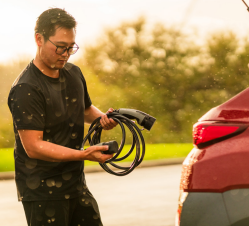
New Zealand’s energy usage needs to become heavily electrified if the country is to meet its net zero by 2050 emissions target, ASB’s latest Sustainable Economics report shows.
With 70% of emissions in the target’s scope related to fossil fuel energy use, switching to renewable electricity presents a significant opportunity to make a substantial reduction, the report says.
“New Zealand is in a favourable position with an abundance of renewable electricity and many electric alternatives already in existence making it possible to reduce energy-related emissions now,” says ASB senior economist Kim Mundy.
Transport and industry will likely lead the transition, says the report, adding the greatest potential to decarbonise energy use lies in transport and industry as the largest users of fossil fuel energy.
It suggests reducing vehicle usage and transitioning the fleet towards emissions-free vehicles.
“With transport, the biggest bang for buck will come from reducing light vehicle emissions which currently make up 70% of all transport emissions,” says Mundy.
“This will require investment however with an estimated 4.3 million EVs needed by 2050.
Low and medium temperature processes in industry need to electrify, the report suggests.
“This could be switching from gas or coal fired boilers to heat pumps or electric boilers which can save on operating energy costs.”
Focussing on these two electrification initiatives could eliminate about half of the emissions, relative to 2021 levels, captured in the net zero target, says Mundy.
Not only will much more renewable electricity generation be required but a high degree of flexibility needs to be built into the grid, says the report.
Transpower data estimates that gross electricity demand could increase 68% by 2050.
The cost of doing this is considerable with estimates of around $130 billion needing to be spent on generation, transmission and distribution by 2050.
“While the benefits of going electric are clear, the cost of the transition and the fact there are many other pressing infrastructure needs presents an opportunity for a broader discussion around how the transformation is funded and what role businesses can play,” says Mundy.
Banks have an important role in funding the transition to a low emissions economy.
Earlier this year ASB announced a partnership with Rewiring Aotearoa, a New Zealand energy transition charity.
The bank is financing a pilot study, due to get underway shortly, to help identify barriers and opportunities for consumers around energy transitions, focusing on a sample of Kiwi homes.
Outcomes will help inform and enhance ASB’s pipeline of products and services to help more Kiwis move to power their lives with lower cost, New Zealand generated renewable electricity, says ASB.
“Ultimately the way we use energy has to change and with less than 26 years left to achieve the 2050 target it’s critical that all New Zealanders understand the practical implications of transitioning to an electrified economy,” says Mundy.
“We need everyone from government and businesses down to individual households to start thinking about what steps they can take towards the transition as meeting the target rests on our collective actions.”
Click here for the report.



Join the conversation