
AI, 3D printing, and vehicle electrification drive efficiencies in automotive manufacturing and supply chain – GlobalData
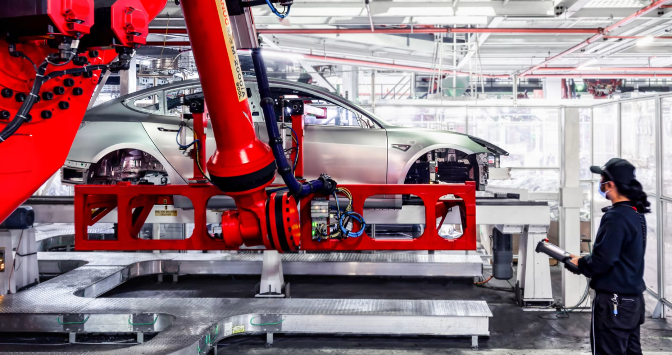
The global automotive industry is rapidly adopting innovative technologies.
Data and analytics company GlobalData says these range from robotics to the integration of artificial intelligence (AI) and machine learning.
This adoption is primarily driven by the need to enhance production efficiencies and eliminate the human error factor in complex manufacturing processes, it says.
“AI is integrated into various stages of product development, from design to the assembly of the vehicle,” says GlobalData automotive project manager Vivek Kumar.
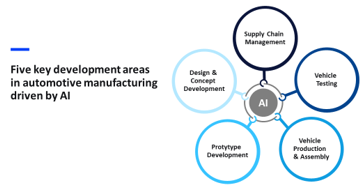
“The incorporation of AI enhances the creation of alternative and more efficient vehicle designs, streamlines prototype development, optimises production and assembly processes, and improves vehicle testing.
“Additionally, AI plays a crucial role in supply chain management, ensuring a seamless and efficient workflow throughout the entire development cycle.”
Kumar says AI integration in automotive manufacturing has significantly boosted production efficiency.
“Manufacturers use AI-generated design algorithms to explore multiple design possibilities, optimising vehicle weight, strength, packaging, and performance. This leads to the creation of lighter, more efficient vehicles.”
AI is also transforming manufacturing through robotics and automation, improving the quality of manufacturing, reducing wastage, and increasing output, helping make processes more efficient and cost-effective, says Kumar.
He says 3D printing accelerates prototyping and production phases, reduces material waste, and lowers overall production costs.
“This technology fosters innovation and efficiency, aligning with the industry’s goals of sustainability and performance enhancement in the era of electrification.
“In the near term, 3D printing will significantly impact manufacturing methods by supporting rapid prototyping and challenging traditional approaches that rely on specialised tools and lengthy production times.
“It also enables the development of complex components and customized parts that are often difficult to produce using traditional methods.”
EVs comprise a smaller number of components compared to internal combustion engine (ICE) vehicles.
This reduction in components will significantly impact the variety and quantity of parts produced by suppliers, says Kumar, adding the shift towards vehicle electrification necessitates considerable adaptation, including an increasing demand for a skilled workforce proficient in high-voltage systems and electronics.
“These manufacturing trends are driving changes in every aspect of the automotive industry, fundamentally transforming its foundation,” he says.
“The future of the automotive industry lies in the seamless integration of advanced software solutions, driving sustainable growth and innovation across all facets of the business.
“Over the next five years, significant improvements in the automotive manufacturing and supply chain will be required to accommodate this development at the vehicular level.’’


Join the conversation