
Disability groups slam NZTA e-scooter remote piloting block

A decision from Waka Kotahi NZ Transport Agency (NZTA) to block e-scooter remote piloting function is being questioned by disability advocacy groups which support the technology as a solution to ease accessibility issues.
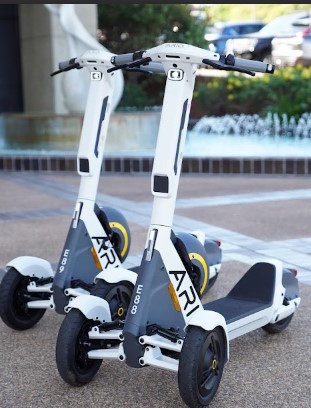
New Zealand’s first e-scooter provider with remote reparking technology, Ario, has been instructed by NZTA to deactivate its re-parking technology or not use it.
In an open letter, disability advocacy groups including CCS Disability Action, Disability Leadership Canterbury, and Access for All Otago, called on transport minister Simeon Brown to “consider the immediate and potential impact of withdrawing this function from the people of New Zealand”.
“We support remote piloting as the most effective solution to keep streets unimpeded by non-compliantly parked shared scooters,” the letter says.
“Without this function, accessibility for all people is significantly reduced. Non-compliantly parked shared scooters are an issue globally.
“Ario has taken a proactive approach to avoid this as a world first in New Zealand and should receive support from NZTA for this innovative initiative.”
Ario’s remote reparking feature allows one of its Auckland-based technicians to log in remotely and safely move any poorly parked Ario scooters to a less hazardous or less disruptive place.
It takes Ario an average eight minutes to move a poorly parked scooter compared to the standard 90 minutes other providers take.
The Auckland Council’s parking compliance KPI of 92% is the highest in New Zealand. In comparison, Ario’s parking compliance is more than 99%.
Ario New Zealand general manager Adam Muirson says its remote reparking technology addresses a longstanding problem and the NZTA’s decision is a move in the wrong direction.
“Before launching, we engaged with accessibility and disability advocacy groups to hear about their issues with e-rideshare, so we could understand how our technology could solve problems rather than add to them,” he says.
“To have the government unilaterally block the technology that has been developed to support better access and clearer paths is a huge set-back.
“The technology is not only ready to go (but) it has already been used successfully in Auckland yet it must now be switched off because of the regulator’s interpretation,” says Muirson.
Ario has sought intervention from the transport minister, requesting officials amend the definition of “wheeled recreational device” in rule 1.6 of the Land Transport (Road User) Rule 2004 so that a wheeled recreational device still meets the requirements of that definition while being reparked remotely.
“Since shared e-scooters were first introduced to New Zealand streets in 2018 there has been little activity by the incumbents to innovate, particularly when it comes to parking safety and providing good access,” says Muirson.
“We have world leading technology landed in the street now – there is no reason why New Zealanders should be made to wait for the regulation to catch up.”
The disability advocacy group’s Open Letter of Support for Immediate Reinstatement of Ario’s Remote Reparking Function can be found here.
Ario’s letter to the transport minister can be found here or visit Ario for more information.
CCS also has the information on its website.


Join the conversation