
Genesis delivers strong financial performance
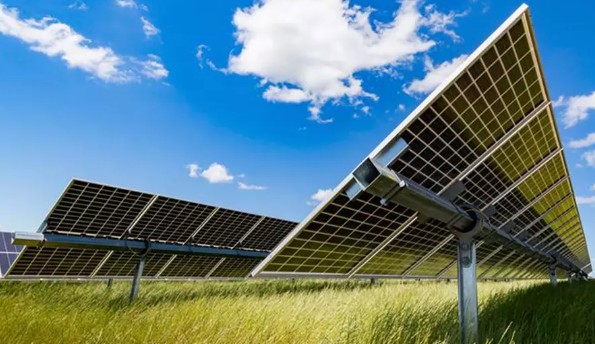
Genesis Energy delivered a strong financial performance in H1 FY25, leveraging portfolio flexibility in a challenging environment posting EBITDAF of $216.5 million and NPAT of $70.3m.
The financial result was impacted by dry winter conditions and industry wide gas shortages, says Genesis.
“During the winter period, Genesis demonstrated its growing ability to leverage its flexibility, navigating a dry winter, being long gas in the spring and a wet start to summer,” says chief executive Malcolm Johns.
“We have been clear that Genesis will no longer fund broad market back-up in either spare generation capacity or stored fuel and we welcome the major players in the sector coming together to explore supporting thermal back up for longer into the transition.
“In addition to leveraging flexibility in our BAU activities, in H1 FY25, we have also made positive progress against our eight by 28 key initiatives, accelerating Horizon 2 of the Gen35 strategy. Successful delivery of this strategy will redefine our portfolio in FY28.
“By FY28 our cashflows will be underpinned by c5TWh pa of renewable capacity supporting our 6TWh pa of higher-margin long-term customer demand. New cashflows will be driven from 1300MW of flexible generation to manage increasing market volatility in a high renewables grid.”
Genesis says it acquired a majority stake in EV charging provider ChargeNet, securing access to an end-to-end value pool for the electrification of New Zealand’s road transport.
“Pleasingly, we were able to acquire the remaining 30% of Ecotricity, providing access to a valuable customer segment with strong growth potential.
“Our renewable generation pathway remains focused on solar development due to speed to market, lower capital costs and overall improving economics.”
Genesis is developing solar farms with Edgecumbe2 and Leeston3.
“Edgecumbe is an advanced stage, fully consented site for a 127MWp solar farm, with FID4 targeted in H1 FY26 and commercial operations commencing in 2H FY27.
“Leeston is a fully consented large scale 67MWp solar farm in the Canterbury region, and commercial operations commencing in early 2027. In addition, a 200MWp solar site near Foxton in Manawatu-Whanganui was accepted for inclusion in the Fast Track Approvals Act.”
Stage one of Genesis’s battery storage programme at Huntly Power Station, a 100MW/200MWh battery installation, is expected to start construction by the end of FY25 and remains on track for commercial operations in Q1 FY27.
Genesis says it has also signed a terms sheet with Foresta to advance negotiations for a torrefied biomass supply at Huntly, and it is exploring opportunities to increase gas flexibility, including storage options.
Guidance is about $130m – $140m.
Genesis says it is exploring options for Huntly Power Station to continue supporting national energy security.
An investor day is planned for late 2025.
Meanwhile, Mercury has agreed a long-term contract with Fonterra to support the electrification of Fonterra’s Edgecumbe and Waitoa operations.
Mercury’s supply agreements extend for 10 years for each site, with Waitoa in the Matamata-Piako District starting August this year and Eastern Bay of Plenty’s Edgecumbe from July 2026.
This represents total demand of about 260GWh annually across both sites once the electrification of both sites is completed, says Mercury.
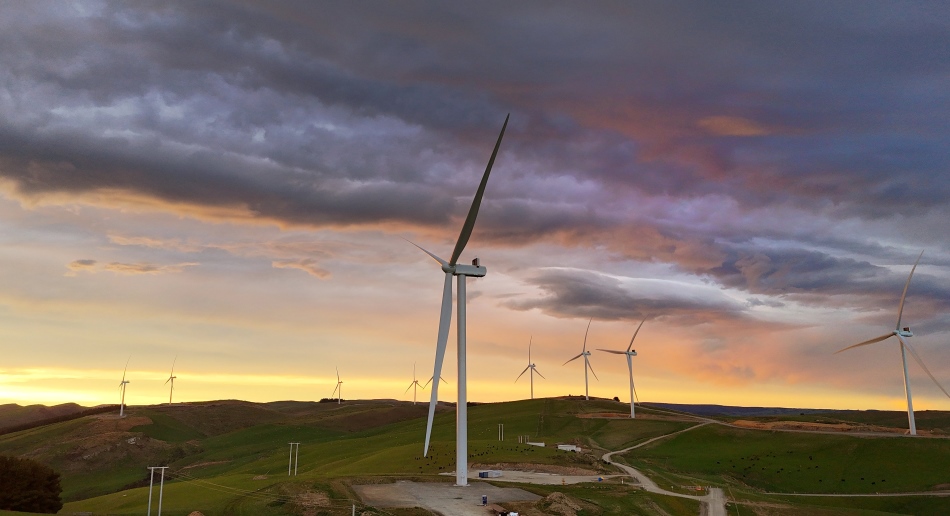
“Having a guaranteed buyer for a significant portion of our portfolio – about the size of a large wind farm – gives us the confidence to continue investing and building more renewables, a key focus for us,” says Mercury wholesale markets executive general manager Tim Thompson.
Mercury has committed more than $1 billion in the past two years to new renewables, with three renewable builds underway.
“Our largely renewable electricity system ranks among the best in the world, making us well placed to support businesses to make big steps forward in their decarbonisation efforts,” says Thompson.
Fonterra says the transition to renewable energy across the two sites is expected to reduce its emissions by 28,000 tonnes, the equivalent of removing 11,000 cars from New Zealand’s roads.


Join the conversation