
NEV market ready for growth
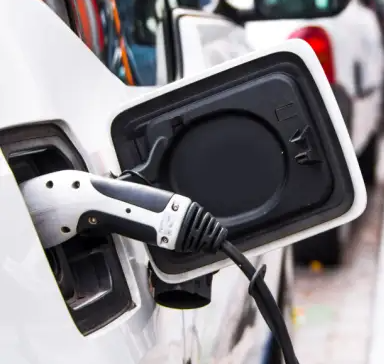
The new energy vehicle (NEV) market is poised for growth as economic conditions improve and technological innovations continue to emerge, says data and analytics company GlobalData.
It says EVs and hybrid vehicles are at the forefront of this change.
The battery electric vehicle (BEV) market in Europe and the Asia-Pacific (APAC) region experienced a period of stagnation in 2024; however, a robust rebound is projected for 2025, says GlobalData.
“The positive outlook is supported by declining interest rates and the introduction of more competitive vehicle offerings,” says GlobalData automotive analyst Madhuchhanda Palit.
“In particular, government policies in China, including the purchase tax exemption extension until 2027 for NEVs, are expected to invigorate the market, with BEVs poised to play a dominant role in both the short and long term.”
She says recent upgrades to emission regulations, which impose stricter standards, will serve as significant catalysts for the adoption of NEVs.
“For example, India plans to implement the Corporate Average Fuel Economy (CAFE) phase 3 regulations in 2027 and phase 4 in 2032. These stringent fleet carbon dioxide (CO2) limitations will compel original equipment manufacturers (OEMs) to either enhance their internal combustion engine (ICE) powertrains or increase the sales of EVs within the passenger vehicle sector,” Palit says.
“Additionally, significant policy changes, particularly in China, are influencing the market dynamics. The purchase tax exemption and the introduction of a dual-invoice system for swappable battery vehicles are expected to enhance the appeal of EVs.”
Palit says: “Government incentives, such as tax rebates and subsidies, play a crucial role in encouraging the adoption of EVs, as seen in the success stories of Norway and Denmark.
“In the US, the ongoing dilemma about policy change might create tricky and unfavourable conditions for domestic automakers and establish market dominance for Tesla.”
She says technological advancements are pivotal in driving the market forward.
“Toyota’s launch of the world’s first hydrogen hybrid vehicle and CATL’s unveiling of the ‘Freevoy’ supercharging hybrid battery exemplify the industry’s commitment to innovation.
“These developments, along with the standardisation of hybrid technology by automakers like Toyota and Honda, are making new energy vehicles more accessible and appealing to consumers.
“The expansion of charging infrastructure and government incentives further supports the growth, addressing range anxiety, and increasing overall awareness of the benefits of NEVs among consumers,” says Palit.
“The future of hybrids and EVs looks bright, driven by a combination of favourable economic conditions, strategic policy changes, and breakthrough technological advancements.
“As the market share for ICEs declines, the rise of NEVs is a testament to the industry’s adaptability to sustainable transportation solutions,” she says.
“Ongoing innovations in technology and infrastructure promise a greener and more efficient automotive landscape.”


Join the conversation