
Video: Leapmotor C10 REEV first drive – The EV with an ICE safety net

Navigating Spanish roads in a Chinese EV sporting Italian registration is certainly unusual, but it highlights the global ambitions of Leapmotor and its intriguing C10 REEV (Range-Extended Electric Vehicle). Despite the official ‘hybrid’ branding, this model prioritises electric driving first, using petrol purely as a backup generator rather than as direct propulsion.
In New Zealand, Leapmotor has partnered with Auto Distributors NZ, already familiar with electric mobility from managing brands like Peugeot, Citroën, and Smart. Their expertise could prove invaluable as the C10 attempts to bridge the gap between full battery-electric vehicles (BEVs) and plug-in hybrids (PHEVs).
Rather familiar
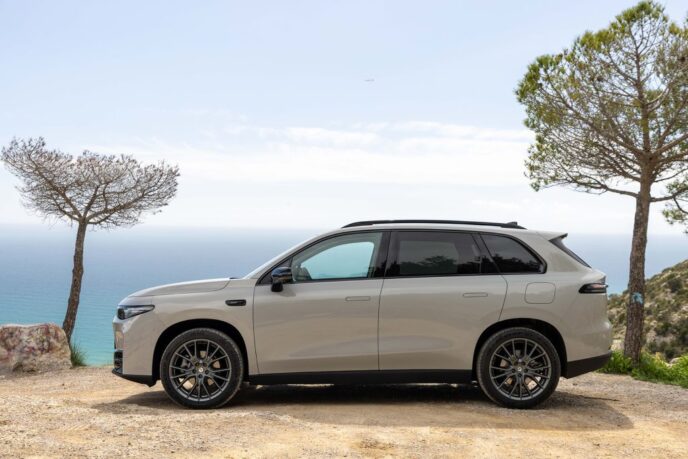
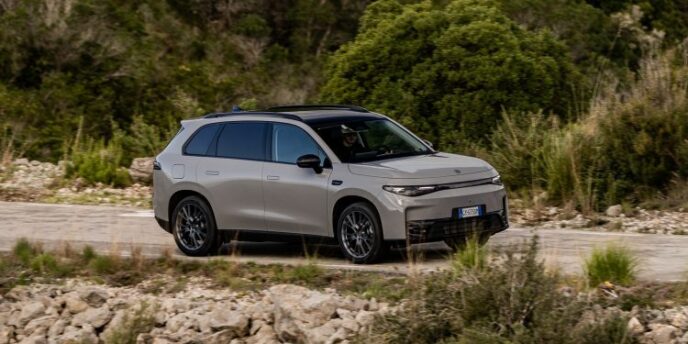
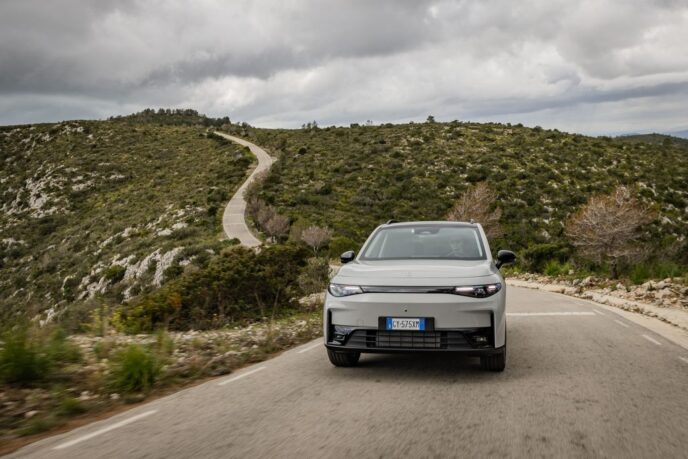
Visually, the Leapmotor C10 REEV closely resembles its fully electric stablemate, sharing its design, dimensions, and overall style. Measuring 4750mm long, 1920mm wide, and 1665mm high, with a wheelbase of 2825mm, the C10 offers a practical size comparable to mid-size SUVs like the Toyota RAV4 or Mitsubishi Outlander – though it lacks the latters third row seating.
Beneath the surface, a 28.4kWh LFP battery powers a 158kW/320Nm electric motor powering the rear wheels. This configuration delivers a useful 145km electric-only range (WLTP), ideal for typical Kiwi commutes.
Unlike traditional hybrids, the petrol engine—a proven 1.5-litre unit based on Nissan’s H15R—is used exclusively as a generator, topping up the battery without ever directly powering the wheels. This approach simplifies the mechanical setup, removing the need for a gearbox and reducing both weight and complexity – the REEV comes in around 40kg lighter than the EV.
The technology isn’t entirely new, it shares similarity with the BMW i3 REX and Nissan’s ePower. But neither take the concept to anywhere close to this scale.
Leapmotor claims an ultra-low combined fuel use of under 1-litre per 100km, though realistically many drivers may never engage the petrol engine at all during daily commutes. For longer journeys, expect petrol consumption closer to 6-litres per 100km, still impressive for its class.
EV-like dynamics
Driving the C10 REEV feels remarkably close to piloting a pure EV, providing smooth, silent, and effortless acceleration. The petrol engine activates discreetly when required, running at a steady rpm without the characteristic rev fluctuations common in traditional hybrid systems. However, if the battery falls below 9%, a slight reduction in peak performance becomes noticeable, highlighting the absence of a direct transmission.
Acceleration from 0-100km/h is around seven seconds, making the C10 comfortably swift for everyday driving. Handling is biased towards comfort, with light steering and suspension tuned to absorb road imperfections effectively. While not sporty, it’s well-suited to family or commuter use.
Four distinct driving modes allow drivers to fine-tune energy usage: EV mode prioritises electric driving down to 30% battery, EV Plus maximises battery usage down to 9%, Fuel maintains a balanced battery charge, and Power Plus actively charges the battery for situations demanding extended electric use, such as city driving or low-emission zones.
Our pick, just leave it in EV or EV Plus and go for maximum EV range. That is unless you are going for a road trip, in which case leaving it in Fuel will give you the best compromise as you target over 900km in range.
Interior comfort and quality

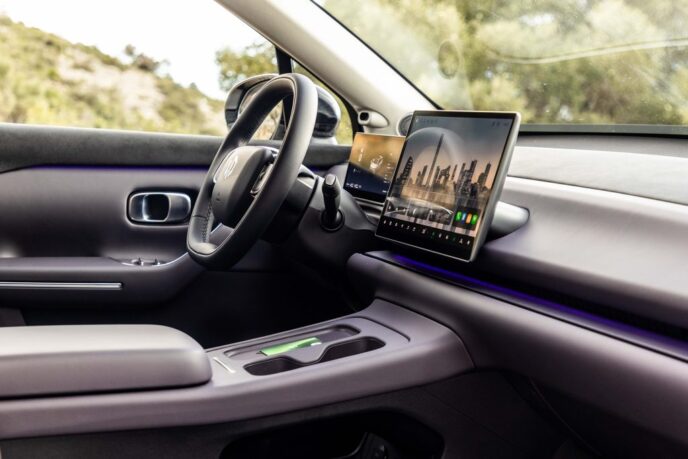
Inside, the C10 cabin features a clean, modern digital cockpit powered by Leapmotor’s in-house operating system. Materials and finishes are generally good, with soft-touch surfaces in high-contact areas and a minimalist design reminiscent of higher-end EVs. However, some hard plastics remain evident, particularly on lower panels and door trims.
Seating comfort is commendable, with supportive front seats and generous legroom in both rows. Both rows fold flat into a bed, and there is a ‘Camping’ mode for the car. Cargo space is practical too – 435 litres (or 1410 litres with the rear seats folded down) – accommodating typical family-sized luggage with ease.
The absence of immediate support for Apple CarPlay and Android Auto is a notable omission, though Leapmotor promises future phone-mirroring functionality.
The onboard advanced driver assistance systems (ADAS) have received numerous over-the-air (OTA) updates, addressing earlier issues such as overly sensitive driver monitoring and lane-keeping systems. Further OTA updates promise continuous improvements. They still aren’t perfect, but on the well-marked Spanish highways were far from problematic.
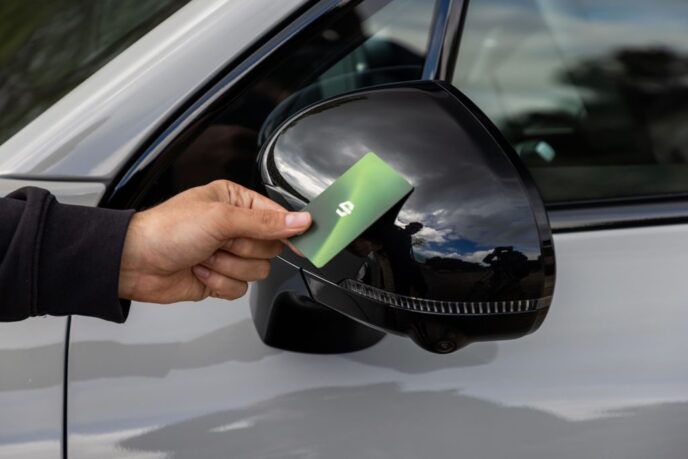
Convenience features include Tesla-like Bluetooth key entry via smartphone, providing seamless access without traditional keys.
Towing capabilities are also practical, rated at a respectable 1500kg braked, suitable for trailers and small caravans.
Balanced value
Attractively priced from $49,990 plus ORC, the Leapmotor C10 REEV directly challenges plug-in hybrids like Mitsubishi’s Outlander, BYD’s Sealion 6, and Jaecoo J7 SHS.
While it may not outperform the competition on outright electric-only range or raw performance, its simplicity, ease of use, and genuine EV-like driving experience offer compelling reasons for buyers leaning towards an electric future but not yet ready to leave petrol behind completely.


Join the conversation