
Customer demand driving fleet sustainability push
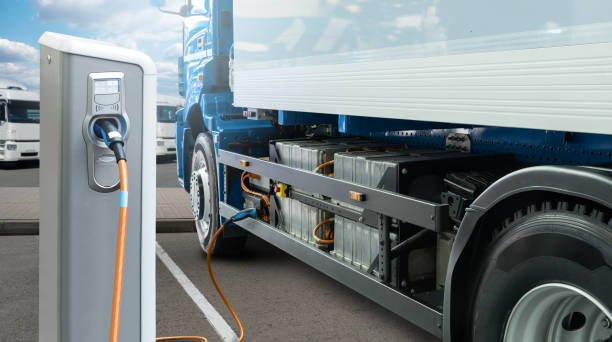
A new global report by Teletrac Navman has revealed customer expectations are now the most influential factor in the freight industry’s shift toward alternative energy, with 63% of fleet operators citing customer demand as the key driver in their energy transition strategies.
Released this week, the Mobilising the Future of Fleets Report: 2025 Energy Edition highlights a growing trend in which brand reputation and sustainability goals are overtaking regulatory compliance as the primary motivations for going green.
The survey results consisted of 536 respondents gathered in November 2024 from Australia, New Zealand, Mexico, the United Kingdom and the United Sates.
“Fleets are focusing on their own net-zero goals as a part of their corporate reputation and long-term commercial strategies, rather than just seeing it as a compliance checkbox,” Teletrac Navman chief executive Alain Samaha says.
“Customers recognise the importance of sustainable operations, and according to our research, are making active decisions around the businesses they support based on their sustainability credentials.”
Only 29% of businesses surveyed identified government regulation or mandates as the main reason behind their energy decisions—compared with 58% who pointed to brand reputation and internal sustainability goals.
The findings come amid rising fuel costs and continued economic pressure, with many fleet operators prioritising optimisation of their existing assets over new vehicle purchases.
According to the report, 84% of fleets are investing in operational efficiencies such as regular maintenance (49%), vehicle utilisation (36%), and driver training (28%).
However, capital expenditure remains a focus for a significant share of the industry. Sixty-one percent of fleet businesses reported investing in more fuel-efficient vehicles (48%) or transitioning to alternative fuels (31%) to meet long-term emissions targets.
Fleet size also plays a role in how advanced sustainability strategies are, with 62% of businesses operating 50 or more vehicles reporting an active strategy to address carbon impacts.
Operators are split on their approach to energy transition. While 46% conduct vehicle suitability assessments –– 8% with external consultancy support –– 42% favour a vehicle replacement strategy at end-of-life. Meanwhile, 30% of fleets have completed a Total Cost of Ownership (TCO) analysis, which Samaha says is “a crucial step to avoid costly mistakes in expenditure and vehicle choice further down the line.”
The report also shows the increasing complexity of fleet energy management. Sixty-one percent of operators now use more than one energy type, and 32% use three or more.
Plug-in hybrid electric vehicles (PHEV) lead the way at 39%, followed by battery electric vehicles (BEV) at 37%, and natural gas-powered vehicles at 23%.
Eight percent of fleets have already transitioned at least half of their operations to alternative energy, and nearly half (48%) expect to hit that milestone within two years.
That figure jumps to 85% within five years, suggesting rapid acceleration ahead.
“The push for fleet sustainability is at a pivotal moment. There is no single viewpoint on the best path forward and while concerns persist, many operators see decarbonisation as a strategic advantage,” Samaha says.
“The pace and feasibility of adoption remain points of debate, however, access to accurate data and actionable insights will be critical factors in making informed decisions that align with both business needs and sustainability goals.”


Join the conversation