
Govt launches ‘Solar on Farms’ initiative
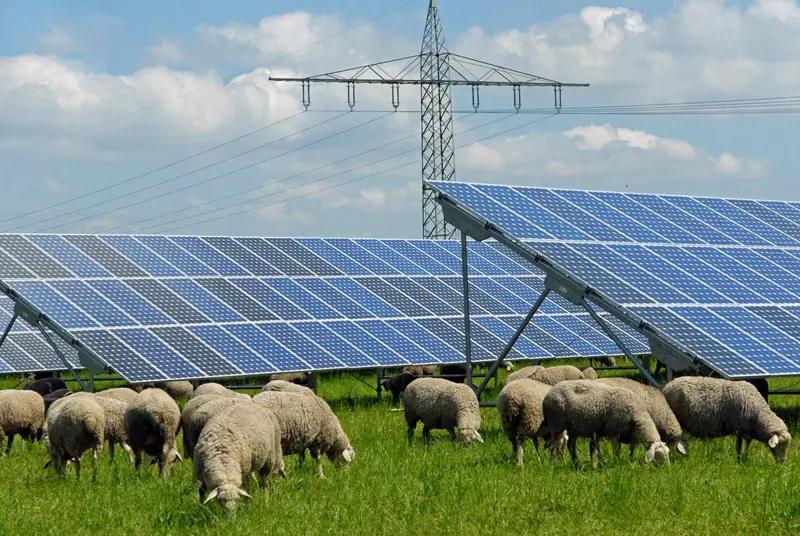
Energy Minister Simon Watts has unveiled a new government initiative aimed at helping farmers cut energy costs and improve resilience through solar and battery systems.
The Solar on Farms programme, announced this week, will offer practical support for farmers looking to transition to renewable energy. The initiative includes feasibility studies, real-world data, technical demonstrations and tailored advice for a range of farm types.
“Kiwi farmers have a long history of adapting, problem-solving and finding ways to be smart with land and resources. Real progress comes from the ground up, from people who understand the land, the seasons, and how to run a business,” Watts says.
“That’s why we want to give farmers more choices and the ability to unlock the cost savings that come with on-farm solar, batteries, and flexible energy systems. However, to achieve this, farmers require the correct information, evidence, tools, and trusted advice.”
The Solar on Farms package includes:
- Independent tools and guidance to help assess on-farm energy opportunities
- A dedicated support function to assist with implementation
- Demonstrations of solar and battery tech across different farm types
- Real-life energy data to show solar benefits in practice
- Advice on navigating local and regional consent processes
- A partnership with the Centre for Sustainable Finance to simplify access to funding
“That’s where Solar on Farms comes in. It’s a practical support package that helps farmers determine if solar and battery systems are right for them by working with them to navigate the details of installing and leveraging this technology for their businesses,” Watts says.
“The package provides farmers with direct access to independent advice. It offers solutions tailored to various farm types and energy profiles.”
He noted that many farms — particularly those reliant on irrigation or high-energy systems — are facing mounting energy costs.
“Farms across New Zealand, especially those using irrigation and other energy-intensive systems, are facing increasingly high and unpredictable energy costs. This adds real pressure to already tight margins.
“On-farm solar and batteries can help reduce that pressure by improving self-sufficiency and lowering exposure to rising energy prices, especially in rural and remote areas. Generating electricity on-farm also creates opportunities to receive revenue from solar electricity back to the grid,” he says.
Watts says the potential contribution of rural solar power to national supply could be significant.
“Early modelling tells us that if 30% of Kiwi farms installed larger systems –– of the size we see on some farms already –– they could generate as much as 10% of New Zealand’s current electricity demand. This is a real win for the security of our energy supply.”
The initiative will be led by the Energy Efficiency and Conservation Authority (EECA), in collaboration with farmers, industry bodies and technical experts. The full package of initiatives will be rolled out in the near future.
The announcement coincided with the launch of Farmlands Flex, a private-sector product developed by Farmlands and Blackcurrent with support from Ara Ake, New Zealand’s energy innovation centre.
“The Farmlands Flex product includes equipment, flexible demand management software, and takes care of the installation and application processes on behalf of the farmer,” Watts says.
“It is an excellent demonstration of how solar purchasing and installation can be made more efficient.”
Watts also welcomed ASB’s launch of a 0% solar loan, aimed at helping farmers invest in long-term energy resilience.
“I look forward to seeing how products like Farmlands Flex, the ASB SMART solar loan, and our Solar on Farms initiative help set the farming sector up for long-term success.”



Join the conversation