
Australian battery rebates drive push for EV uptake
Electrification advocacy group Rewiring Australia says nearly 30,000 home batteries have been installed since the federal government’s rebates came into effect on July 1, and is urging Australians to keep building the nation’s “battery fleet” by switching to electric vehicles.
The 30 per cent subsidy, which runs until 2030, is being hailed as a key step towards accelerating electrification.
Rewiring Australia’s research shows that installing a battery in an average home can save about $1000 a year when paired with rooftop solar and all-electric appliances.
“We are not surprised by this level of uptake. Australians want cheaper power bills and more energy independence, and storing it yourself is one of the best ways to gain more savings, and more control,” says Rewiring Australia chief executive Francis Vierboom.
“This subsidy will allow Australian families to save money on ever-increasing bills. At the same time, it’s helping those homes use clean energy around the clock, and getting us closer to zero emissions, especially as homes upgrade to all-electric and unsubscribe from gas.”
Vierboom says there is an even bigger opportunity to slash household costs — replacing petrol cars with EVs.
“Homes with solar panels, or homes switching to cheap ‘free energy at midday plans’, can replace their petrol bills forever with clean electricity, which is an even bigger annual saving. A typical petrol car costs $2,600 a year in fuel. Charge an EV at home with solar and that drops to about $170,” he says.
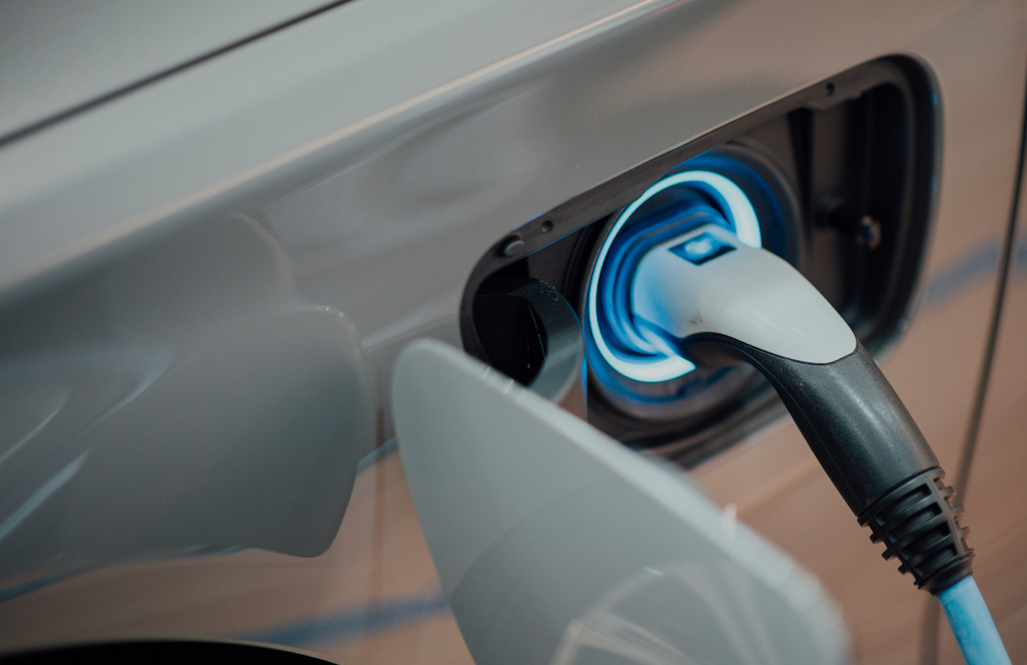
Home batteries typically hold enough energy to power a house overnight, but EV batteries are larger and can supply some homes for over a week.
“They don’t just replace petrol bills with free solar; electric vehicles can also become home batteries on wheels. We are already seeing people start to use their electric vehicles to function both as a home battery and a car, and sell energy back to the grid at peak times,” Vierboom says.
The federal government is reportedly considering fast-tracking a road-user charge for EV drivers, while the popular Fringe Benefit Tax exemption for employer-supplied EVs is also under review.
“Talking about road user taxes right now is premature. Now is not the time to pump the brakes on EVs. They’ll slash our national petrol bill and transform our energy system, storing over five times the energy of Snowy Hydro. The faster we add them to our roads, the more energy we can use from cheap, clean renewables, helping us reduce our reliance on oil imports, and retire Australia’s costly, ageing coal fleet sooner,” Vierboom says.
“Electric vehicles have a higher upfront cost than petrol cars, but a lower operating cost and can feed power back into the home. We should be making it easier for people to drive a car that also powers their home. By supporting EV uptake, we can cut bills, store clean energy, and put fossil fuels in the rear-view mirror.”



Join the conversation