
Mercury pushes ahead with renewable builds despite profit slump
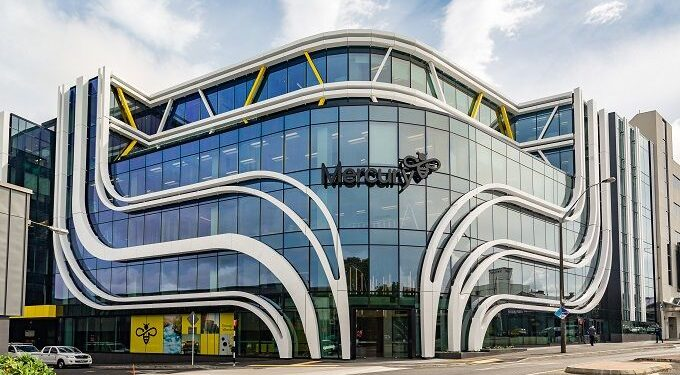
Mercury has reported a sharp fall in earnings for the 2025 financial year, but says it is pressing ahead with more than $1 billion of renewable energy projects to power New Zealand’s future.
The company posted a net profit after tax of $1 million for the 12 months to June 30, down from $290m in FY24.
Earnings before interest, tax, depreciation, amortisation and fair value adjustments (EBITDAF) fell 10% to $786m. Total generation was 7,906 gigawatt hours, also down 10%.
Mercury chair Scott St John says the year had been marked by tough conditions, with global headwinds, inflation, weak hydro inflows and ongoing gas constraints all weighing on the business.
“It’s been a challenging year, but the team has remained focused – advancing a large-scale generation build and delivering value and care for customers, which will make a meaningful difference to the country’s energy future,” he says.
“Despite this, we remain optimistic about the long-term outlook given the sheer volume of work currently underway. New Zealand stands to benefit from a new wave of generation development – over 4TWh of new renewables is expected to be commissioned between now and 2027.
“We’re proud to be contributing a significant proportion of this, with 1.1TWh of new renewables under construction and plans to deliver 3.5TWh over the next five years.”
Heavy investment
St John says more than half of Mercury’s earnings were being reinvested.
“Just over half our earnings go straight back into building and maintaining the assets powering this country. We’re backing New Zealand with every dollar we spend,” he says.
He also acknowledged broader challenges.
“The way we produce and use energy is changing, prompting valid questions about what the system requires to keep delivering secure, affordable electricity into the future,” he says.
Solutions included a strategic energy reserve at Huntly Power Station and reforms to improve gas market transparency. “Options such as capacity mechanisms or direct government investment should see careful cost-benefit evaluation.”
Building the pipeline
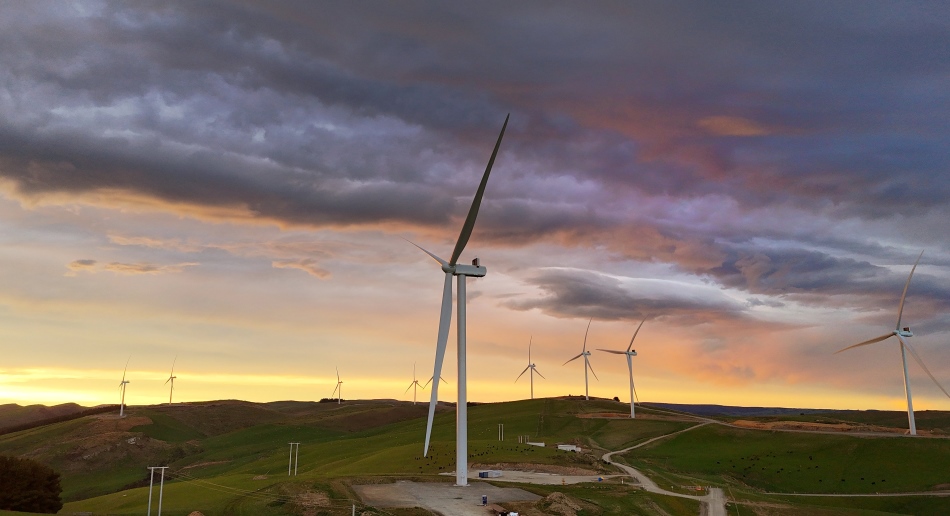
Chief executive Stew Hamilton says Mercury currently has three major renewable projects under construction – the Ngā Tamariki Geothermal Station expansion and the Kaiwera Downs 2 and Kaiwaikawe wind farms.
“Mercury is doing the heavy lifting on generation development, with $1 billion invested in three major builds, simultaneously under construction,” he says.
The company is also completing the refurbishment of the Karāpiro Hydro Station, with upgrades to Maraetai, Ōhakuri and Ātiamuri Hydro Stations to follow. The $550m programme is expected to lift capacity by 58MW and annual generation by 87GWh.
Hamilton says Mercury was conscious of cost-of-living pressures.
“Our size and structure give us the ability to make a real difference, from keeping post-pay disconnections at zero for customers who we’ve identified as being in hardship, to delivering material value to social retailers Nau Mai Rā and Toast Electric,” he says.
Electricity prices rose by an average of 9.7% from April, largely driven by regulated lines and transmission charges.
“We know the overall increase will be disproportionately felt by some customers, so we have implemented a range of measures to help those in hardship.”
Mercury grew customer connections 5% to 906,000 during the year, with more than a third now taking multiple products.
Dividends and outlook
The board declared a fully imputed final dividend of 14.4 cents per share, bringing the full-year ordinary dividend to 24 cents, up 3% on FY24.
Looking ahead, Mercury has set FY26 EBITDAF guidance at $1b, with about $600m of growth capital expenditure expected on major infrastructure projects.
Hamilton says the refreshed strategy was clear: “Deliver more generation, transform earnings, capture energy transition demand growth, rebuild confidence in the sector and build a connected and high-performing culture.”

Join the conversation