
Range Rover plans mid-size electric SUV for 2026
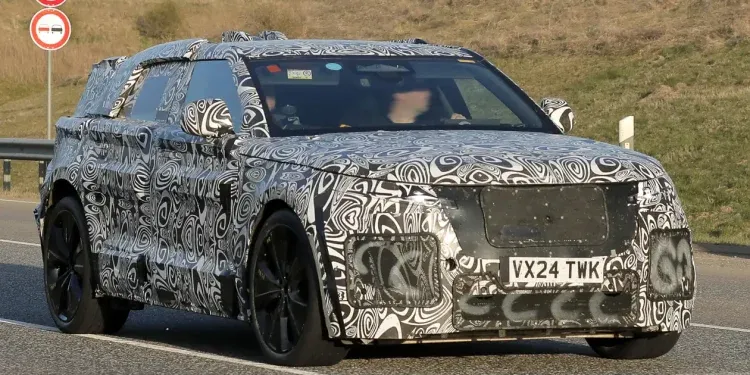
Range Rover will launch a new mid-size electric SUV in 2026, positioned as an electric alternative to the current Velar model rather than a direct replacement.
The new model will sit below the flagship Range Rover Electric and introduce fresh design language and technology built on the brand’s new Electric Modular Architecture (EMA) platform.
Expected to match the existing Range Rover Velar’s 4.8-metre length, the electric SUV will compete directly with the BMW iX3, Audi Q6 e-tron and Porsche Macan Electric in the premium electric SUV segment.
New platform architecture

JLR CEO Adrian Mardell says the EMA platform represents the company’s next step for medium-size vehicles.
“EMA is our next architecture for medium-size vehicles,” Mardell says. “Originally conceived to be hybrid, it’s now only going to be fully electrified. At least three different vehicles, maybe four, will come off the EMA platform.”
The new SUV will be produced at a refurbished production line at the Halewood factory, with facility updates designed specifically for EMA platform vehicles. Much of the EMA technology originates from the Range Rover Electric programme, with hardware scaled down in a “plug and play” approach across the range.
Design evolution
The new Range Rover electric SUV will feature sleeker styling than the current Velar, with a lower roofline that slopes towards the rear and a smaller glasshouse relative to the body panels. The design direction points toward a coupé-SUV appearance with Range Rover’s signature modernism and minimalism.
The styling evolution maintains the brand’s commanding driving position while optimising interior space and comfort through the dedicated electric architecture.
Battery and charging technology
Battery packs will be manufactured at Tata’s Gigafactory in Somerset using prismatic cells in a cell-to-pack design that maximises cell density by reducing framework housing.
The EMA SUV is expected to offer battery pack options of around 80kWh and 100kWh to deliver a range of 500–650km, matching its premium electric rivals. JLR claims the new battery technology provides a 40% efficiency improvement over the I-Pace.
With an 800-volt electrical system, the SUV should support charging speeds up to 350kW, enabling 10–80% charging in approximately 20 minutes.
Motor development and performance
JLR developed its electric motors in-house after approaching different suppliers but failing to find technology suitable for both low-speed off-road capability and higher-speed on-road efficiency.
The Range Rover Electric uses one motor per axle with combined output of 400kW and 850Nm, though it remains unclear whether all EMA Range Rovers will feature all-wheel drive or if a long-range single-motor version will be offered.
The precise control offered by electric motors should provide superior off-road performance compared to petrol alternatives, with Terrain Response technology optimising the all-wheel drive powertrain and chassis for various surfaces.
Market positioning
The mid-size electric Range Rover will sell alongside the existing petrol-powered Velar but will not use the Velar badge. European sales are expected to begin in mid-2026, with pricing anticipated slightly above the current Velar range.
The model represents Range Rover’s strategy to electrify its lineup while maintaining the brand’s luxury positioning and off-road capability credentials in the growing premium electric SUV market.

Join the conversation