
Ford F-150 Lightning owners earn money from parked trucks
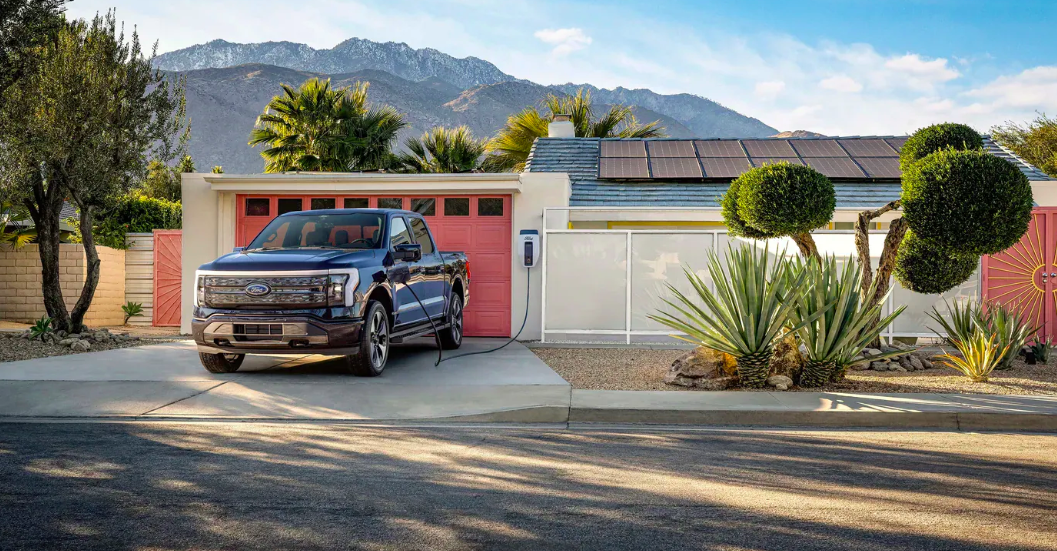
Ford F-150 Lightning owners in the United States are earning money by allowing their parked electric trucks to power their homes and sell electricity back to the grid through new vehicle-to-grid programs.
The Ford Home Power Management system enables customers to charge their trucks with lower-cost electricity during off-peak hours and use that stored energy to power their homes when grid electricity rates are higher. The system can also return power to the grid, earning financial incentives from participating utilities.
Ford says some customers can save up to $42 per month or around $500 per year using the Home Power Management software with the available Home Integration System. In Texas, Ford F-150 Lightning drivers could potentially save an average of $900 per year through TXU Energy’s Free EV Miles program.
The technology requires customers to purchase Ford’s Charging Station Pro, Home Integration System, and Home Power Management software to participate in the programs.
Pilot programs demonstrate earning potential
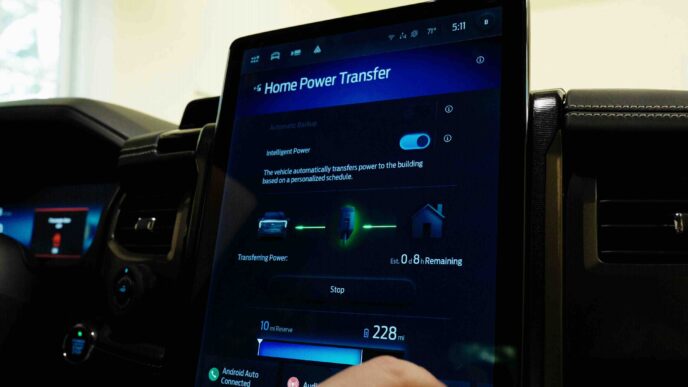
Ford and Michigan-based DTE Energy have launched a Vehicle-to-Home Managed Charging Program with Ford employees who own F-150 Lightning trucks. DTE Energy pays participants for transferring their electric vehicle battery power to their homes during periods of high demand.
The program uses ChargeScape, Ford’s vehicle-to-grid integration platform, to schedule and optimise the use of electric vehicle batteries automatically. Ford says the system manages charge and transfer cycles to help optimise battery health while ensuring vehicles have enough charge for daily driving needs.
In Maryland, customer Brian Foreman joined a pilot program between Baltimore Gas and Electric (BG&E) and Sunrun that became the first residential vehicle-to-grid distributed power plant. When his truck was plugged in, Foreman transferred an average of 23.5 kilowatt-hours daily back to the grid.
Foreman was among customers in the BG&E program who were paid up to $1000 by the utility for energy their trucks transferred during peak demand periods.
Real-world applications show grid benefits
Vermont customer Peter Schneider, described as an energy expert with prior experience in home battery rollouts, worked with Ford to test Home Power Management. During extreme heat that pushed the eastern grid to alert-level demand, Schneider’s F-150 Lightning provided over 8 kilowatt-hours daily of electricity on average from his truck.
Ford says the system works seamlessly in the background while customers continue their daily routines. Vehicle owners remain in control and can stop power transfer through the Ford Energy app or by unplugging their vehicle when they need to drive.
The programs build on Ford’s existing Home Backup Power capability, which turns the F-150 Lightning into a backup generator during scheduled outages or rolling blackouts, and Ford Energy Rewards, where customers earn financial rewards for off-peak charging.
New Zealand implications
While these programs are currently limited to select US markets, they demonstrate the potential for similar vehicle-to-grid initiatives in New Zealand. The technology could be particularly relevant given New Zealand’s high renewable energy generation and growing electric vehicle adoption.
Ford says it is investing in collaborating with electricity providers, advocating for supportive policies, and refining technologies to make advanced energy solutions accessible for widespread adoption.
The company acknowledges that broader implementation requires addressing challenges such as reducing upfront costs and ensuring seamless customer experiences across different markets and regulatory environments.

Join the conversation