
Compulsory acoustic warning systems proposed for EVs in NZ
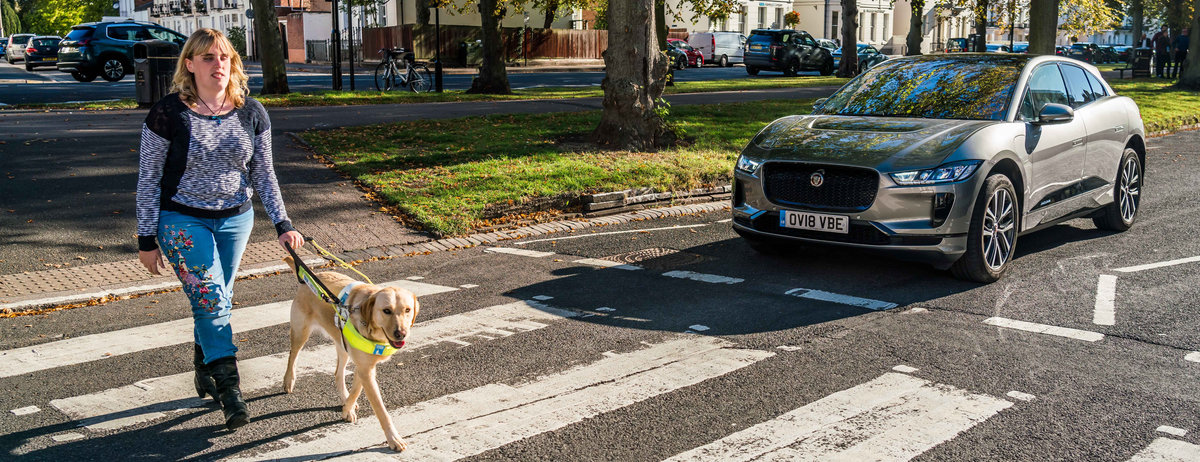
The NZ Transport Agency (Waka Kotahi) is proposing mandatory acoustic vehicle alerting systems for all electric vehicles (EVs) and hybrids entering New Zealand, addressing safety concerns around silent operation that can pose risks to pedestrians.
The acoustic warning requirement forms part of broader safety reforms that would also mandate automatic emergency braking (AEB) and lane-keeping technology for all light vehicles entering the country.
The proposal, detailed in a discussion paper released October 29, represents the biggest potential upgrade to entry standards since electronic stability control became compulsory a decade ago.
“Mandating these features could mean more vehicles in New Zealand have them sooner, which may reduce the frequency and severity of the types of crashes responsible for the greatest proportion of deaths and serious injuries on our roads,” NZTA says.
Higher crash rates for quieter vehicles
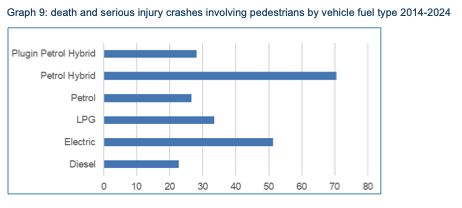
Evidence provided by the agency shows a higher rate of pedestrian-vehicle crashes involving hybrid and electric vehicles than petrol and diesel vehicles in New Zealand, according to NZTA internal analysis of crash incidents from 2014–2024.
The acoustic systems work by making sounds outside the vehicle to alert pedestrians and other road users to its presence. While vehicles create noise from tyres and wind at higher speeds, electric and hybrid vehicles can be almost silent at low speeds when there is little wind or tyre noise.
A 2023 Australian consultation impact analysis estimated 17.7% of low-speed pedestrian crashes involving electric vehicles could have been avoided if all electric vehicles had been fitted with acoustic vehicle alerting systems. Similar research has not yet been conducted in New Zealand, but due to similarities between the New Zealand and Australian fleets and road types, similar savings are expected.
Phased rollout from 2026
The requirements would be introduced through a phased rollout starting from October 1 2026 for new-model light vehicles, followed by existing-model new vehicles and used imports from July 1 2027.
The rules would apply at border inspection for used imports and at entry certification for new vehicles. Existing vehicles already in the fleet would not need to be retrofitted.
NZTA estimates at least 50% of all used imported vehicles wholly powered by electricity are already equipped with acoustic vehicle alerting systems, based on Japanese requirements introduced in 2018. This estimate is conservative as it does not account for vehicles voluntarily fitted with the systems before the Japanese mandate.
Used import market impact
While most new vehicles already carry the required systems, the rule change would have its greatest impact on the used-import sector, which supplies around 45% of New Zealand’s annual light-vehicle imports.
Japan mandates AEB and acoustic vehicle-alerting systems on new models but does not yet require lane-keeping assistance, meaning some older vehicles could become ineligible for import. NZTA says the phased rollout is intended to avoid “supply shocks” and give time for compliant stock to flow through Japan’s market.
As both new and used electric or hybrid vehicles entering the New Zealand fleet are increasingly fitted with acoustic vehicle alerting systems due to international regulations, mandating this feature locally is unlikely to impose additional costs on the market, according to NZTA.
For vehicles requiring retrofitting, the United States National Highway Traffic Safety Administration estimated in 2016 that the incremental cost would be approximately US$55 (NZ$95) for vehicles where the systems are already built into the vehicle’s design, and US$130 (NZ$225) for vehicles without existing systems.
International alignment
The proposal aligns New Zealand with international requirements. Australia will mandate acoustic vehicle alerting systems for new light and heavy vehicle models from 2025, with existing models required to comply from 2026. The European Union has required the systems on new models since 2017, while the United States introduced requirements for new models in 2020.
Japan required the systems on new light and heavy vehicle models from 2021.
Consultation process
Submissions are open until December 17 2025, with feedback to inform advice to the Associate Minister of Transport early next year. Any rule changes would amend the existing Land Transport Rules covering brakes, steering and vehicle equipment.


Join the conversation