BYD New Zealand may consider introducing the company’s first Kei-class electric vehicle, the recently revealed BYD Racco, if it can be made commercially viable for local sale.
Speaking with EVs & Beyond, BYD NZ general manager Warren Willmot said the pint-sized city car fits within BYD’s long-term goal of covering every key market segment — but only if pricing, logistics, and dealer margins align.
“You never say never,” Willmot said. “If we can make the numbers work and it makes sense for the market, we’d look at it. But it has to be at a viable price point and deliver value for dealers.”
Built for tight cities
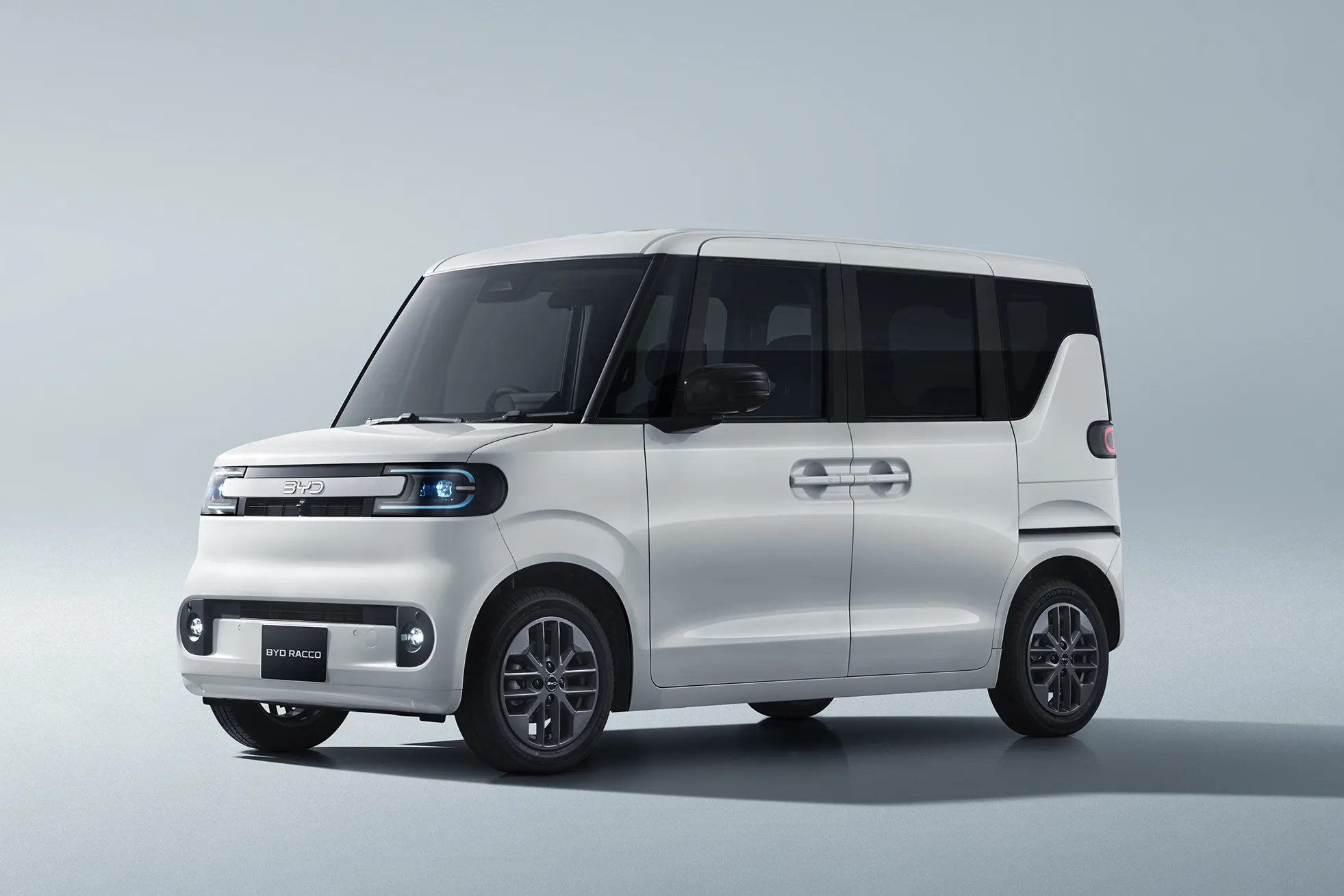
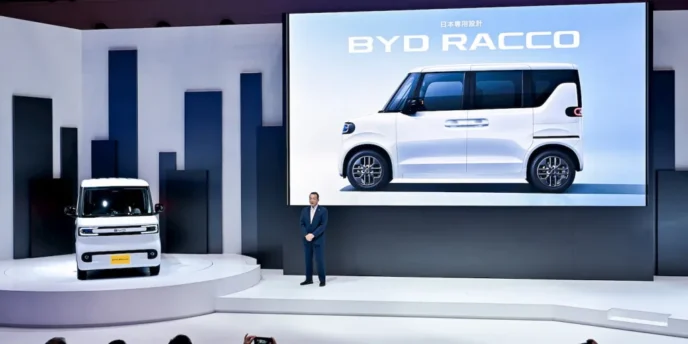
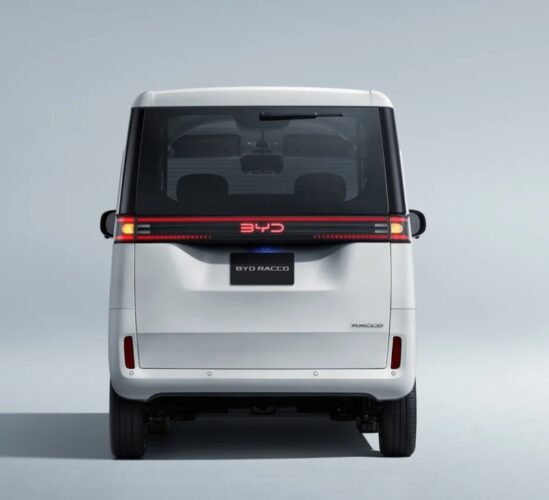
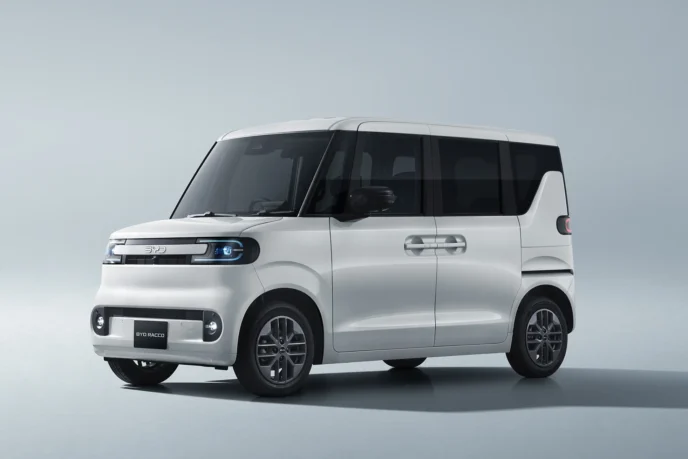
Unveiled in Japan as BYD’s first entry into the country’s highly competitive Kei-car category, the Racco measures 3,395 mm long, 1,475 mm wide and 1,800 mm tall — the maximum size allowed under Kei regulations. It seats four and uses dual sliding rear doors to improve access in narrow carparks.
Advertisement
The Racco is front-wheel drive and powered by BYD’s proprietary Blade LFP battery technology, with two pack options: roughly 20 kWh for an estimated 180 km WLTC range, and a larger battery version with DC charging up to 100 kW has also been mooted.
Japanese pricing is expected to start at around ¥2.6 million (about NZ $29,000), placing it firmly in the affordable-EV bracket. Despite its size, the model includes features uncommon in the class, such as rear disc brakes, a high-roof “super-height wagon” layout, and a tech-focused cabin aimed at urban commuters.
Local potential
While BYD has no immediate plans to homologate the Racco for New Zealand, Willmot said the company will monitor demand for ultra-compact EVs as the market matures.
“If it makes sense for New Zealand, we’ll explore it,” he said. “But the key will always be whether it can land here at the right price point.”
He added that some examples could eventually reach local shores through used-import channels, once the model enters Japanese production.

Join the conversation