
Australian EV purchase intentions stagnant despite cheaper models
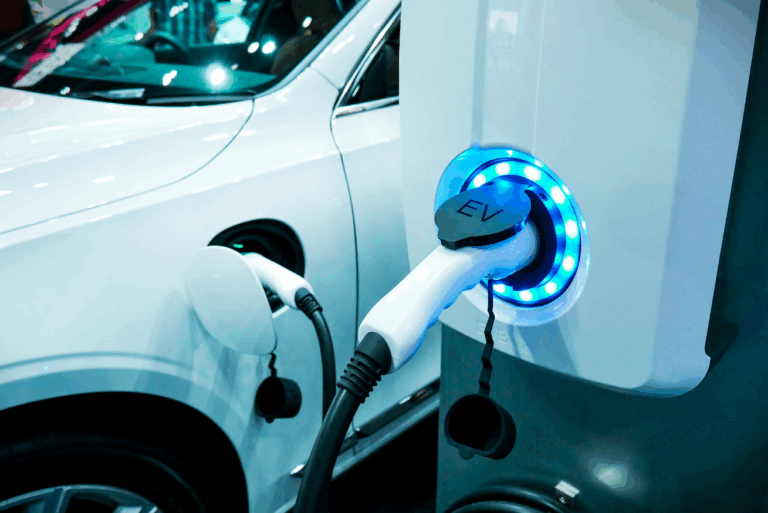
Electric vehicle (EV) purchase intentions in Australia have remained unchanged over three years despite new brands entering the market at lower price points and government incentives designed to accelerate uptake.
The Australian Automotive Dealer Association (AADA) says 38% of drivers would consider an EV for their next main vehicle, identical to the figure recorded in September 2022, according to its latest annual consumer survey.
The finding comes despite three consecutive years of growth in Australia’s overall new car market and the introduction of multiple new EV models at more accessible price points.
“Our members are committed to supporting Australia’s transition to lower-emissions vehicles and want to meet Australian driver’s needs,” says AADA CEO James Voortman. “However new car dealers are not yet seeing a significant increase in the number of consumers intending to purchase an EV at the scale required.”
The survey of 2000 Australian drivers, conducted in November 2025, also found a national decline in EV purchase intentions in regional and rural Australia — a finding that backs up direct evidence from dealers about regional drivers’ reluctance to transition to electric vehicles.
The results have implications for New Zealand, where similar urban-rural divides in EV adoption have been observed, and where government policies continue to target increased EV uptake.
Government targets face reality check
The stagnant consumer interest presents challenges for Australia’s climate goals. In 2025, the Government released Climate Change Authority modelling showing that 50% of all new car sales would need to be electric every year to 2035 to meet emissions targets.
“Based upon the results from the fourth edition of this survey, this will be challenging,” Voortman says.
However, the survey found positive indicators in growing consumer interest in hybrid and plug-in hybrid electric vehicles, which is reflected in recent sales data across both Australia and New Zealand.
Economic factors overtake environmental concerns
The research reveals a significant shift in what drives EV consideration. Environmental benefits have declined as a motivator, while perceived value for money and cost benefits have increased in importance.
Consumers’ willingness to pay a premium for EVs has also dropped substantially. The accepted price premium fell from 6% in November 2024 to just 2% in November 2025, despite the entry of more affordable EV models.
The survey found 65% of respondents agreed that “given the current economic times, I’m less willing to pay more for an EV over other fuel types.”
“What we are seeing is the automotive transition is happening but at the pace of the consumers choosing,” Voortman says.
The findings suggest that while the EV market continues to evolve on both sides of the Tasman, consumer adoption patterns remain complex and influenced by factors beyond simple price and availability.
The full AADA report is available here.

Join the conversation