
Canada slashes Chinese EV tariffs in major trade shift
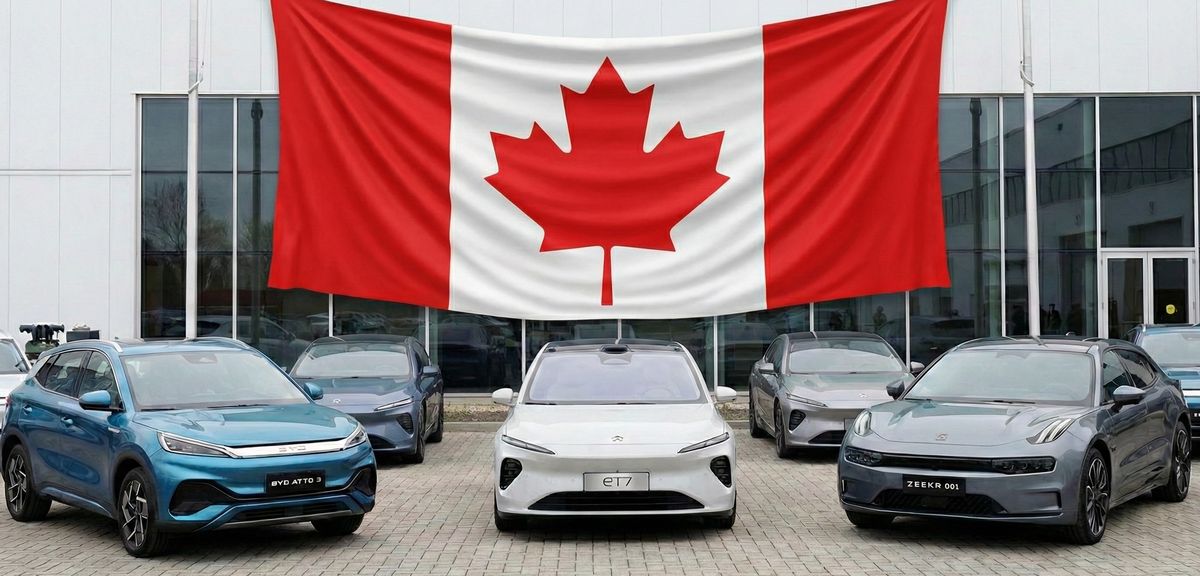
Canada has dramatically reversed its protectionist stance on Chinese electric vehicles (EVs), cutting tariffs from 100% to just 6.1% following a trade agreement signed between Prime Minister Mark Carney and Chinese President Xi Jinping in Beijing.
The agreement establishes a controlled quota system permitting 49,000 Chinese-made EVs to enter Canada annually at the reduced tariff rate, representing approximately 2.5% of Canada’s total vehicle market. This cap will gradually increase to 70,000 vehicles by 2031.
A key condition requires that by 2030, half of these imports must be “affordable EVs” priced below C$35,000 (approximately US$25,000). The average fully electric vehicle in Canada currently costs around C$67,000, making this a potentially transformative shift for consumer affordability.
In exchange for market access, China has agreed to reduce tariffs on Canadian agricultural products, particularly canola seeds, which will drop from 85% to approximately 15% by March 1 2026.
Chinese brands position for entry
While no manufacturers have publicly confirmed Canadian launch plans, several Chinese brands are considered frontrunners for market entry.
BYD stands out as the most likely first entrant. As the world’s largest EV manufacturer, BYD already operates in dozens of international markets and has the logistics infrastructure to navigate regulatory compliance. Potential Canadian candidates include the Atto 3 compact SUV, the Dolphin hatchback, and the ultra-affordable Seagull city car, which sells for as little as C$11,000-$17,000 in China.
BYD and Chery are the only two Chinese automakers confirmed to have met with Canadian Industry Minister Mélanie Joly during Carney’s Beijing trip. This indicates they are the most serious about Canadian market entry.
Geely has a potential shortcut through its ownership of Volvo and Polestar, both of which have established Canadian dealer networks. Vehicles already being manufactured in China under these Swedish brands could provide the fastest path to volume entry.
Other candidates include Nio, known for its battery-swapping technology that could address Canadian cold-weather charging concerns, and Zeekr, Geely’s premium brand that already meets Western safety standards.
Carney stated that his government has had “direct conversations directly from the Chinese companies…with explicit interest and intention to partner with Canadian companies.” The federal government anticipates these discussions will drive “considerable new Chinese joint-venture investment in Canada” within three years.
Regulatory hurdles remain
The most optimistic projections suggest Chinese EVs could reach Canadian showrooms as early as March or April 2026, though regulatory compliance will likely extend this timeline.
Chinese manufacturers face two main pathways to Canadian market entry. Case-by-case approvals through Transport Canada’s existing frameworks could allow small initial batches for pilot programmes, particularly in Quebec and British Columbia.
Volume imports will require either the reopening of passenger vehicle intake for Chinese manufacturers or the creation of new compliance pathways. Chinese manufacturers must also adapt vehicles to meet Canadian safety, environmental, and technical standards, including winter performance requirements – processes that typically take several months to complete.
Political opposition emerges
The deal has sparked significant opposition, particularly from Ontario Premier Doug Ford and Unifor union president Lana Payne, who have described it as a threat to Canadian auto manufacturing jobs and a potential barrier to accessing the crucial US market.
However, supporters argue the policy addresses Canada’s struggling EV adoption rates, which declined 27% in 2025 after federal incentive programmes lapsed, by introducing affordable options that could stimulate broader market growth.



Join the conversation