
Scout not EV enough for Colorado dealers
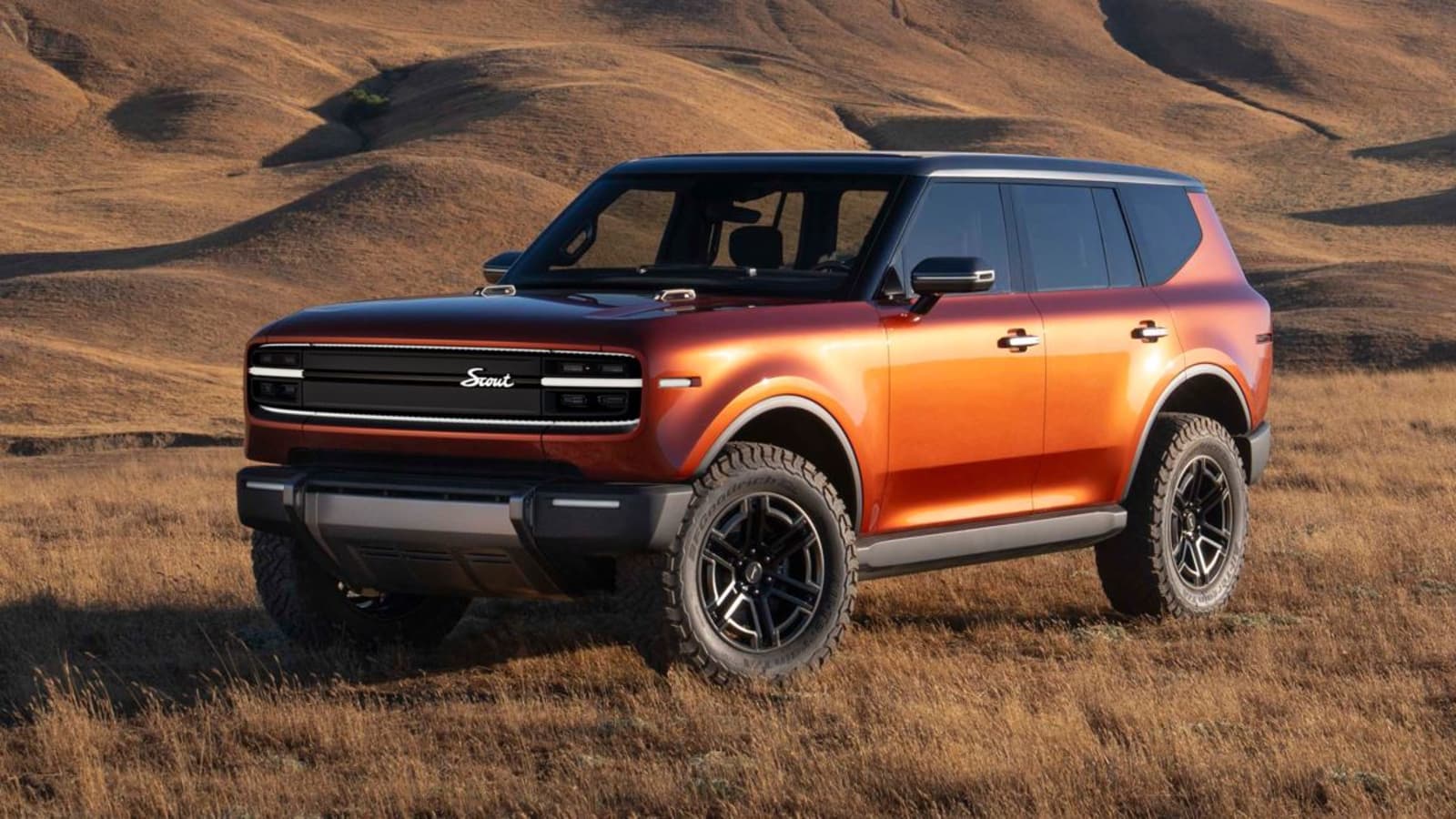
Volkswagen Group dealers in Colorado are suing the state over a dealer licence granted to Scout Motors, arguing the electric vehicle startup should not qualify for direct-to-consumer sales exemptions because it plans to produce extended-range electric vehicles (EREVs).
More than one-third of Volkswagen, Audi and Porsche dealers in Colorado filed the lawsuit in Denver District Court on January 20, alleging the state’s Department of Revenue Division of Motor Vehicles incorrectly interpreted Colorado law when it granted Scout a licence in December.
The dealers argue that Scout’s planned “Harvester” versions of its Terra pickup and Traveler SUV – which feature smaller batteries plus a four-cylinder petrol engine that extends range – disqualify the brand from exemptions reserved for electric vehicle-only manufacturers.
According to Automotive News, the lawsuit refers to Scout’s extended-range system as a plug-in hybrid system and claims the brand does not qualify for exceptions in Colorado law meant for EV-only brands such as Rivian and Lucid.
EREV plans central to dispute
Scout’s embrace of EREVs sets it apart from other new electric brands. The company plans to offer Harvester versions of both the Terra and Traveler that feature smaller batteries than their pure-electric counterparts, plus the petrol engine to boost range to around 500 miles compared to 350 miles for the all-electric versions.
The Terra and Traveler are set to go into production in 2027 at a new factory in South Carolina.
EREVs have become increasingly popular, especially for large SUVs and pickup trucks. Ford cancelled the electric F-150 Lightning last year, opting for its next generation to be an EREV instead. Hyundai plans to bring an EREV SUV with 600 miles of range to the United States in 2027, while Ram and Jeep have launches planned this year.
Scout CEO Scott Keogh told Bloomberg in October that 80% of the company’s roughly 130,000 reservations are for range-extended vehicles.
Colorado law at centre of dispute
In 2020, Colorado adopted an amendment to its dealer-franchise laws stating that manufacturers may own and operate dealerships “if the manufacturer manufactures only electric vehicles and has no franchised dealers of the same line-make in this state.”
The dealers’ case rests on the definition of “electric vehicle.” The bill summary defines an electric vehicle as “a motor vehicle that can operate entirely on electrical power,” though this definition does not appear in the law itself.
A Scout spokesperson told InsideEVs that “battery electric vehicles and extended range electric vehicles both meet the definition of electric vehicles under Colorado law, which is why the Dealer Board overwhelmingly approved our licence.”
The dealers also argue that Scout and its parent company, the Volkswagen Group, are essentially the same entity, meaning VW would be competing with its own franchised dealers.
Broader dealer resistance
This is not the first legal challenge Scout has faced over its direct-to-consumer sales model. Dealers in Florida and California have also sued Scout and the Volkswagen Group of America to block the company’s plans.
The legal battles highlight ongoing tension between traditional dealer networks and manufacturers seeking to sell directly to consumers, particularly in the electric vehicle space.
Scout Motors is not currently planning to enter the New Zealand market, where dealer franchise laws operate under different frameworks than those in the United States.

Join the conversation