
Mexico unveils $14,500 Olinia EV for 2027 launch
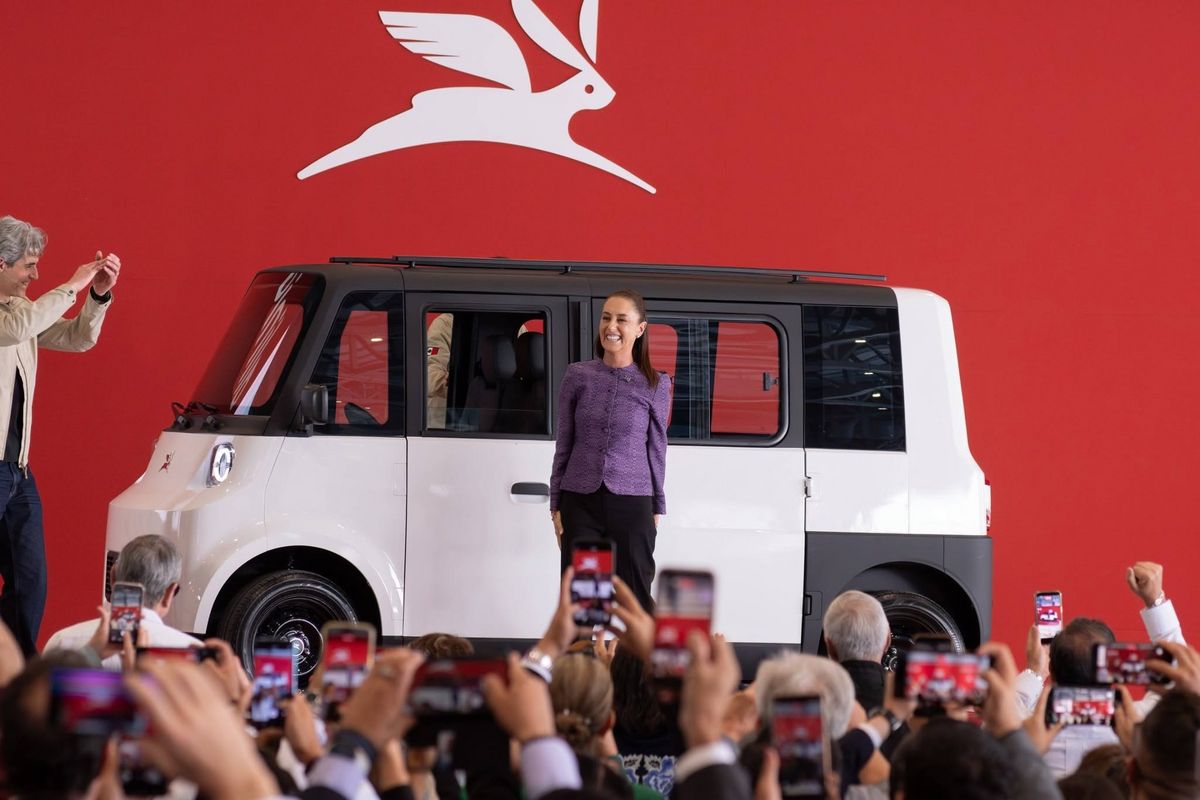
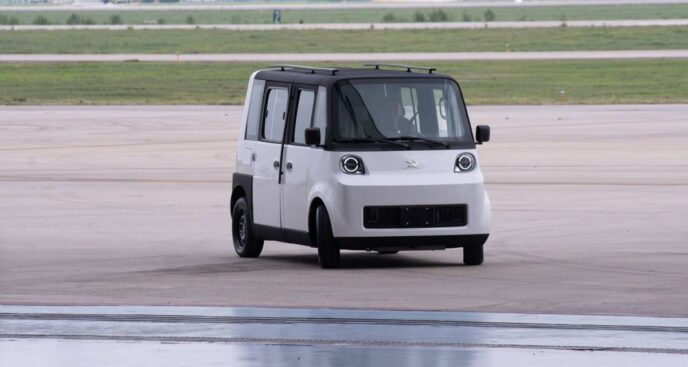
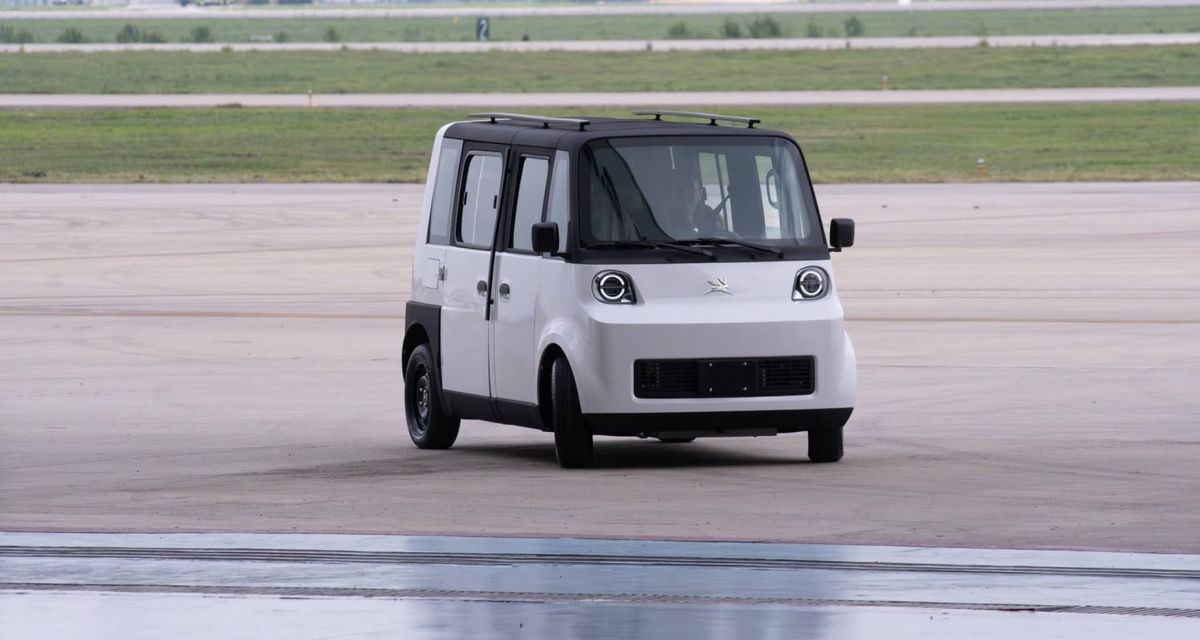
Mexico has unveiled its first domestically developed electric vehicle (EV), with President Claudia Sheinbaum presenting the Olinia at a ceremony on June 7, 2026.
The six-seat compact city car will launch in June 2027 with a starting price of 150,000 pesos (approximately $14,500), positioning it as one of the world’s most affordable EVs. The vehicle features a 14.7 kilowatt-hour lithium iron phosphate (LFP) battery delivering over 125 kilometres of range and a top speed of 50 kilometres per hour.
“We were told that innovation was reserved for other places, that Mexico was only made for assembly plants, that our role was to receive technology, not develop it; to receive ideas, not create them. But that is false,” Sheinbaum said during the unveiling at Air Squadron 702 at Military Air Base No. 1.
The Olinia was developed by the National Technological Institute of Mexico (TecNM), the National Polytechnic Institute (IPN), and research centres from the Secretariat of Science, Humanities, Technology and Innovation, with assistance from the Chinese embassy.
Designed for urban mobility
Project director Roberto Capuano Tripp says the Olinia is designed for city and rural driving, with space for six passengers including wheelchair accessibility. The vehicle includes a 3.5-kilowatt electric motor capable of handling steep terrain and water exposure.
Charging can be completed using standard household outlets, taking approximately four hours at 220V or eight hours at 110V. The vehicle features a seven-inch central infotainment screen, two-speaker stereo system, and Bluetooth 5.0 connectivity.
Operating costs are estimated at 49 centavos per kilometre, compared to 2.40 pesos per kilometre for petrol vehicles and 1.00 peso per kilometre for motorcycles. Officials estimate drivers travelling 75 kilometres daily could save more than 50,000 pesos (approximately $4,900) annually on fuel costs.
Competing with Chinese imports
The Olinia will compete directly with low-cost Chinese EVs including the BYD Dolphin Mini, which have been gaining market share in Mexico. The vehicle currently contains 50% domestically sourced components, with plans to increase this to 75% by 2030.
Secretary of Science Rosaura Ruiz Gutiérrez says the project demonstrates how research can contribute to national development and aims to create a domestic electric mobility industry. She describes the vehicle as both a transportation solution and catalyst for broader industrial growth.
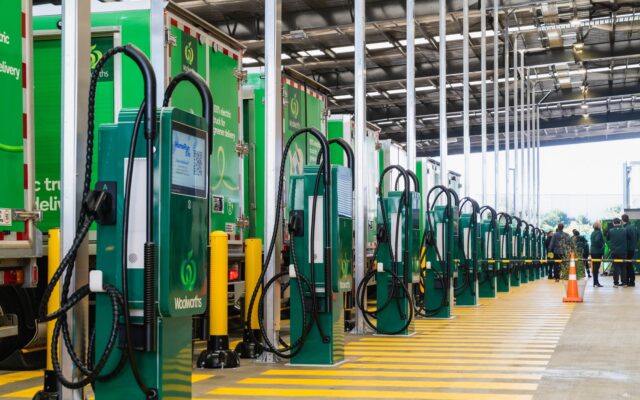
The government plans to install 2000 charging stations across Mexico City, the State of Mexico, and Puebla in cooperation with the Ministry of Energy and Federal Electricity Commission. A cargo variant is expected to be unveiled next month.
Capuano announced the launch timing coincides with the opening of the 2026 FIFA World Cup, with the first vehicles expected on Mexican streets in summer 2027.
The project forms part of the government’s broader “Plan México” initiative, which Sheinbaum says reflects Mexico’s commitment to harnessing domestic talent for technological transformation.
This pricing puts the Olinia well below most EVs available in the New Zealand market, where entry-level models typically start around $40,000-$50,000.

Join the conversation