
Electrifying vehicles and home could save households $3,000 a year, report finds
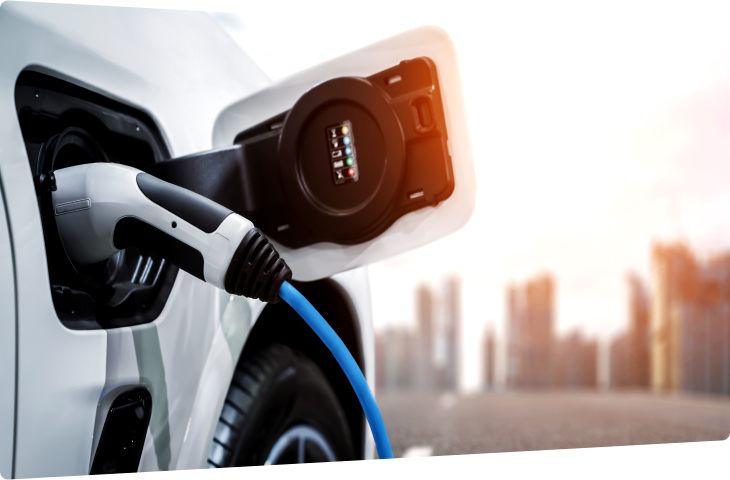
New Zealand households could save around $3,000 a year after financing costs by switching to electric vehicles, replacing fossil fuel appliances with electric alternatives and installing rooftop solar and battery storage, according to a new report by Rewiring Aotearoa.
The independent charity’s Electric Homes & Vehicles report, authored by Josh Ellison, Jenny Sahng, Nicole Kirkham, Ben Fahy, Dave Karl and chief scientist Dr Saul Griffith, estimates a typical household could reduce annual energy costs by about $7,600 before capital costs. After financing the upfront investment, households would still be around $3,000 a year better off, with total net savings estimated at $45,000 over 15 years.
The report compares a typical New Zealand household using petrol vehicles and fossil fuel appliances with one using electric vehicles, heat pumps, induction cooking, rooftop solar and home battery storage.

Rewiring Aotearoa estimates widespread household electrification could reduce New Zealand’s annual energy costs by $12.9 billion by 2040, including net annual savings of $9.1 billion after capital costs. It also estimates cumulative national savings of $61b over 15 years, while reducing greenhouse gas emissions, improving energy security and cutting reliance on imported fossil fuels.
The report was independently peer reviewed by economist Cameron Bagrie and University of Auckland physicist Professor Shaun Hendy.
Bagrie says recent geopolitical events have highlighted New Zealand’s vulnerability to imported energy.
“New Zealand’s point of vulnerability is energy. Households, businesses and the entire economy depend on energy,” he says.
“Electrifying New Zealand’s homes and vehicles is one mechanism that can help address this vulnerability. At a macroeconomic level, electrification improves New Zealand’s balance of trade, reduces exposure to global price shocks, and improves the economic foundations that declining terms of trade and rising import costs are currently eroding.”
Bagrie says electrification could help address both short-term cost pressures and longer-term economic challenges.
“We are currently facing a cost of living crisis, but the bigger problem is an income crisis, a by-product of weak productivity growth over a sustained period.

“Electrification can help both with short term cost of living problems, and also assist in building a more productive energy system underlying a more productive economy in the long term.”
Hendy says the economics of electrification have reached a tipping point.
“The learning curve has spoken: Rewiring Aotearoa has run the latest numbers to show that electrification is now economically compelling for households with access to capital,” he says.
“The challenge is no longer making it happen, but whether everyone will have the opportunity to participate. Without deliberate action, the households least able to invest will remain locked into increasingly expensive and less resilient energy systems.”
According to the report, electric technologies are substantially more energy efficient than fossil fuel alternatives. It estimates heat pumps are two to four times more efficient than gas heating, while electric vehicles are two to four times more efficient than petrol or diesel vehicles. If 80% of New Zealand homes installed rooftop solar and battery systems, they could provide the equivalent of around 46% additional electricity generation capacity, while household electrification could create an estimated 58,000 jobs through installation work and wider economic activity.
However, the report says access to finance remains the biggest barrier to electrification despite the long-term savings.
“There is a clear market failure in accessibility of these electrification savings,” the report says, arguing many households are unable to fund the upfront investment needed to benefit from lower running costs.
Rewiring Aotearoa says the findings strengthen both the economic and environmental case for accelerating the electrification of New Zealand’s homes and transport fleet, while calling for financing and policy settings that enable more households to participate in the transition.




Join the conversation