
Ford tears up the assembly line to build its cut-price electric ute
Ford details the US$2 billion gutting of its Louisville plant and the assembly tree production system designed to build the US$30,000 Fathom electric ute 15% faster from 2027.

Ford has revealed how it plans to build its US$30,000 Fathom electric ute: by tearing up the moving assembly line the company itself invented more than a century ago.
In an update on the transformation of its Louisville Assembly Plant in Kentucky, Ford says the three million square foot facility was stripped to a bare shell over several weeks last winter as part of a US$2 billion overhaul, with thousands of tonnes of machinery and steel hauled out the doors. “If you stood in the middle of the factory floor, you could see all four walls,” says plant manager Brian McGauley.
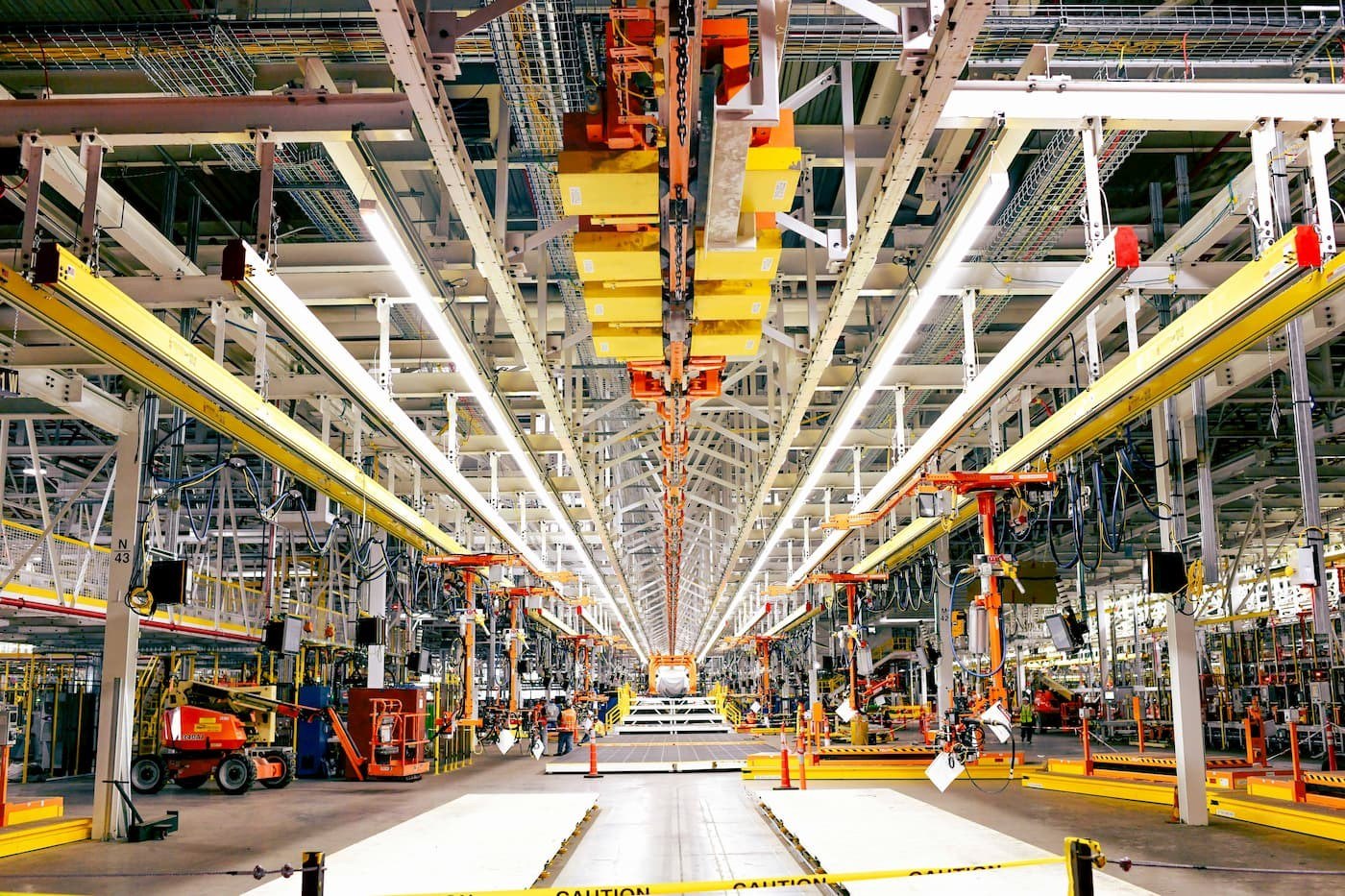
What is going back in is what Ford calls the Universal EV Production System, and it works nothing like a traditional car plant. Instead of one long line where a complete body shell creeps past workers who reach and bend into it, the vehicle is split into three sections, a front clip, a rear clip and the structural battery, each assembled in parallel on its own line before marrying together late in the process. Ford calls it an assembly tree rather than an assembly line.
Two design choices make it possible. Large aluminium unicastings replace what were dozens of stamped and welded pieces, cutting the count for these structures from 146 parts in the current Maverick to just two, so the front and rear sections are structurally whole enough to be worked on independently. And the battery doubles as the vehicle’s floor, with seats, consoles and carpet installed directly on top of it before it is bolted in from below.
Ford chief manufacturing officer Bryce Currie says the system delivers an 84% reduction in reaching over fenders, while the Fathom’s wiring harness is more than 1.2 kilometres shorter and around 10kg lighter than the one in the Mustang Mach-E. “It is simply foundationally different from how we have done things before,” says advanced manufacturing chief Kevin Young.
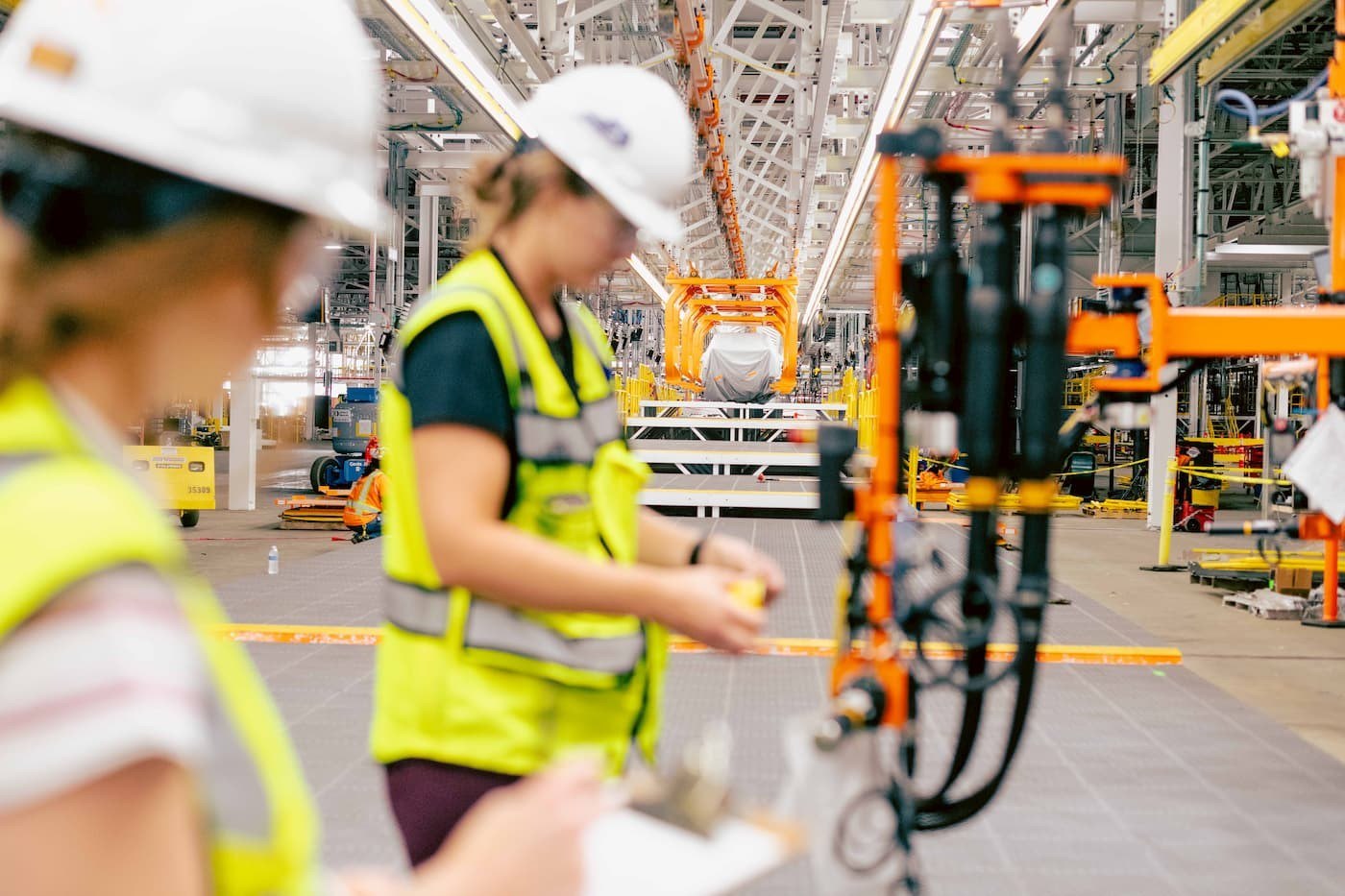
The assembly tree builds the Fathom 40% faster than the plant’s outgoing products, with some of that gain reinvested in automation, netting out 15% faster overall and giving Louisville the highest level of final assembly automation of any Ford plant in the world. A software flash station, a first for the company, loads current software into modules before installation rather than patching the finished vehicle, running over private 5G inside the plant.
This is the machinery behind the price on the Fathom, the midsize electric ute Ford named and priced last week at under US$30,000, around NZ$50,000 at current exchange rates. Cheap EVs are a manufacturing problem, and Ford’s answer is to attack the factory rather than the spec sheet.
Prototype builds using production-qualified parts begin in the first quarter of 2027, with customer vehicles later that year and US pre-orders opening early in 2027. There is still no word on right-hand drive.
The moving assembly line that made the Model T affordable started at Ford in 1913. More than a century on, the company is betting that making EVs affordable means replacing it.



Join the conversation