
World’s largest electric aircraft flies on about NZ$8 of electricity
Heart Aerospace's X1 has become the largest battery-electric aircraft ever flown, using about US$5 of electricity in 27 minutes, with New Zealand links through Sounds Air and Air New Zealand.
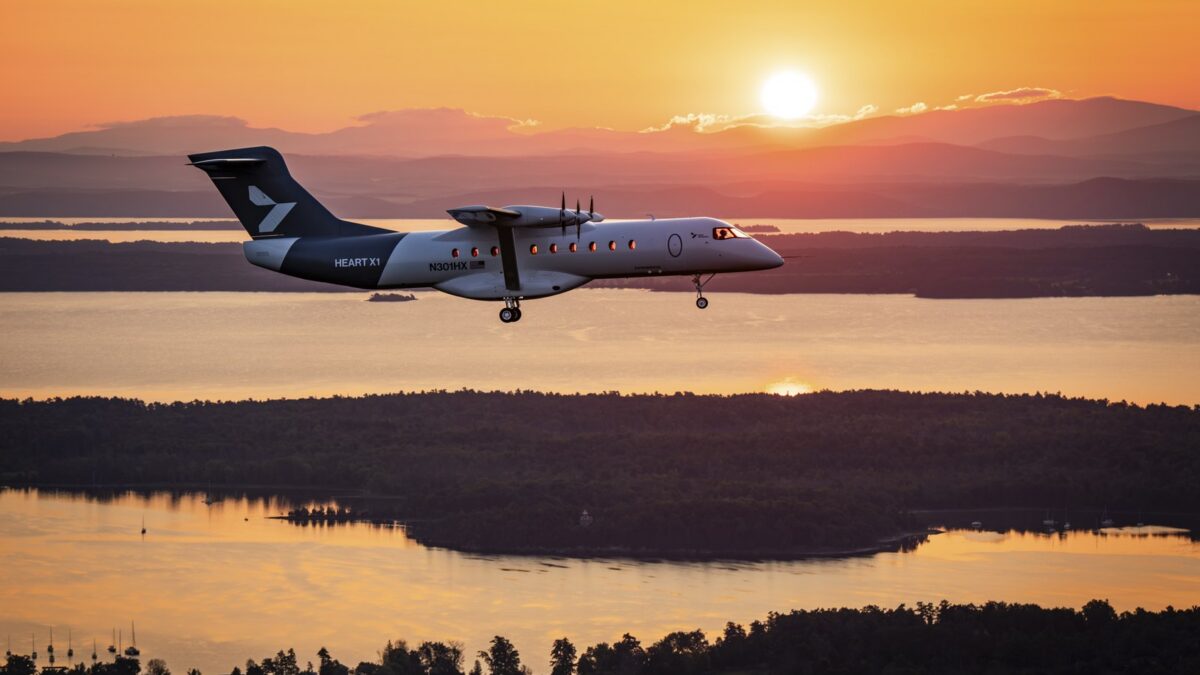
The largest battery-electric aircraft yet built has flown for the first time, and the electricity bill for the 27-minute flight came to about US$5, roughly NZ$8.
Heart Aerospace’s X1 demonstrator took off from Plattsburgh International Airport in upstate New York on 12 August, reaching 335 metres and drawing more than one megawatt from its all-electric propulsion system. With a 32-metre wingspan, a 23-metre fuselage and a take-off weight above 11 tonnes, it is comfortably the biggest battery-powered aircraft to have flown.
The fuel-cost comparison is the number that will interest airlines. Jet fuel averaged US$3.50 a gallon in the week to 7 August, up 63% year on year as the conflict disrupting Gulf energy exports continues to work through global supply chains.
“With the first flight of X1, Heart Aerospace has demonstrated electric flight at the scale of a commercial airliner,” says founder and chief executive Anders Forslund. “Electric commercial aircraft have the potential to fundamentally reshape airline economics and, ultimately, lower the cost of air travel for passengers.”
The flight was conducted under an FAA experimental airworthiness certificate issued in July, with a profile covering taxi, take-off, climb, manoeuvring and landing.
Why it matters here
X1 is a full-scale demonstrator for the ES-30, a 30-seat hybrid-electric regional airliner Heart is developing for FAA Part 25 certification, with entry into service targeted for 2031. The production aircraft is designed to fly 200km on batteries alone, 400km with a full load using its reserve hybrid generators, and up to 800km with 25 passengers.
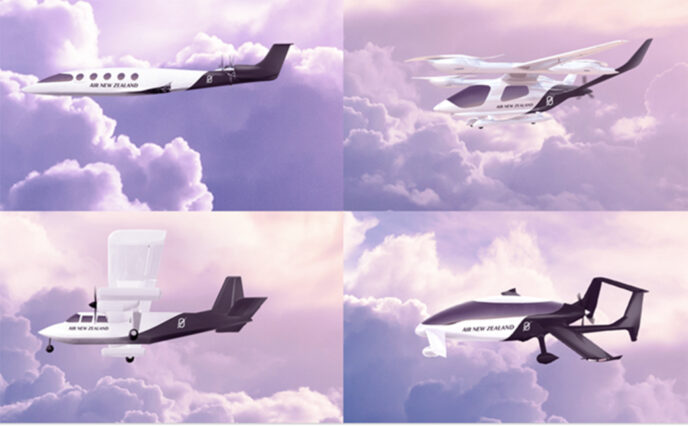
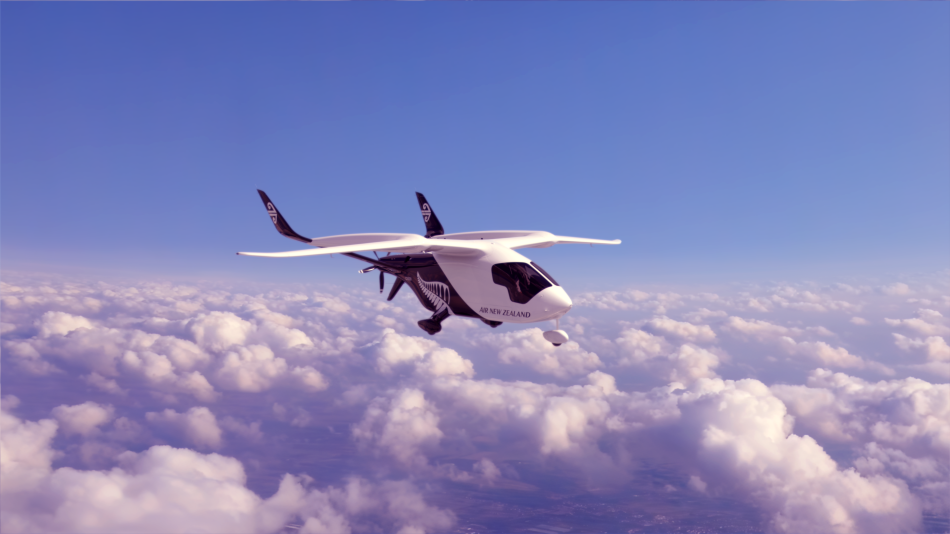
Those distances describe a large share of New Zealand’s domestic network, which is why the company already has local connections. Sounds Air signed a letter of intent for the ES-30 and has sat on Heart’s industry advisory board, while Air New Zealand named Heart one of the long-term partners in its Mission Next Gen Aircraft programme, aimed at replacing its Q300 turboprop fleet from 2030, alongside Airbus, ATR, Embraer and Universal Hydrogen.
Air New Zealand was careful at the time to frame that as knowledge-building rather than an order, and both projects have moved slower than their original timelines suggested. Heart itself has pushed X1’s first flight back twice from an initial 2025 target.
Heart says the ES-30 should cut regional aircraft operating costs by more than 40% against current turboprops, through cheaper energy, simpler maintenance and better aircraft availability. It claims US$9.4 billion in customer commitments, with United Airlines, Air Canada and JSX among the carriers signed up.
The first pre-production ES-30 is being built at Heart’s Los Angeles plant, with flight testing scheduled for 2028.

Join the conversation