
Chery buys Nissan’s South African plant to build EVs in Africa
Chery has bought Nissan's former Rosslyn plant in South Africa to build EVs, plug-in hybrids and Jetour models, its first full production base in Africa.
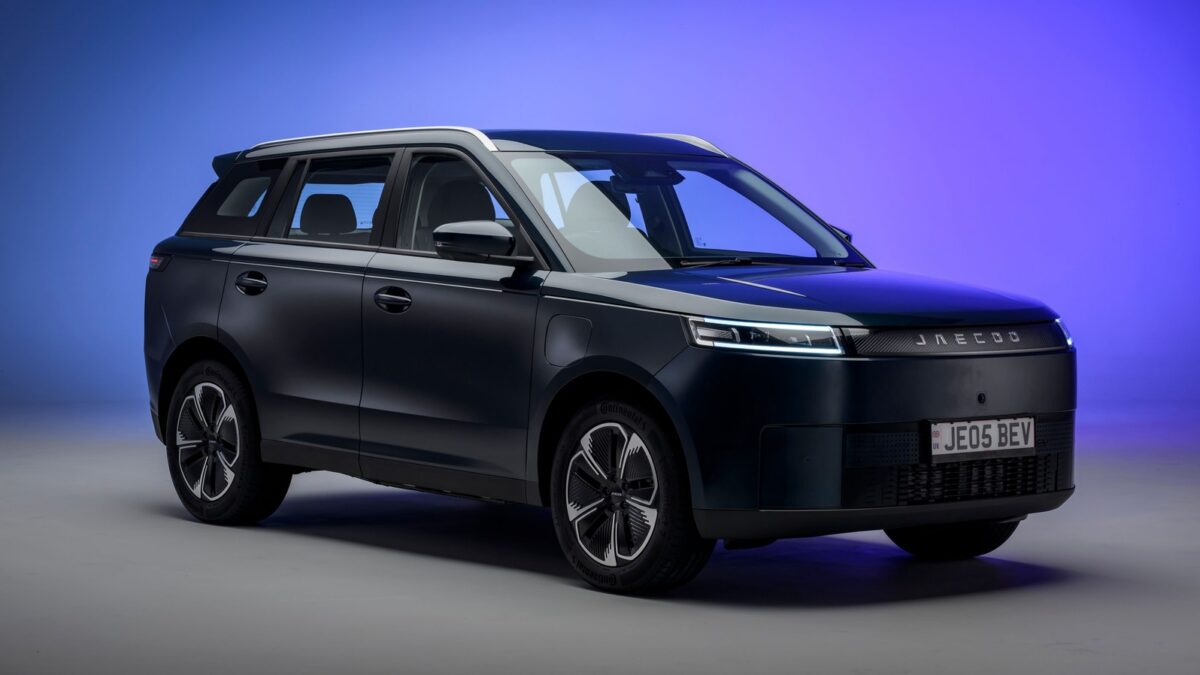
Chery has bought Nissan’s former Rosslyn plant near Pretoria, giving China’s biggest vehicle exporter its first full production footprint in Africa and a base to build electric vehicles on a continent most carmakers still treat as an export market.
The acquisition, completed in July and reported by Associated Press, will see the plant produce battery-electric vehicles, plug-in hybrids and models from Chery’s Jetour brand.
It marks a change in how Chinese manufacturers approach Africa. Rather than shipping cars in, they are starting to assemble where they sell, a response to slowing demand at home and the tariff walls going up in Europe and North America. BAIC already operates a plant in Gqeberha, and Great Wall Motor runs localised assembly and parts distribution in South Africa.
“Africa has become known as the next frontier for the automotive market,” Hiten Parmar of South African sustainable mobility nonprofit The Electric Mission told AP.
Where the EVs go next
Analysts cited in the report name South Africa, Morocco, Kenya, Ethiopia and Ghana as the countries best placed to attract Chinese EV investment, on industrial capacity, policy support or electricity infrastructure. Morocco has the added advantage of proximity to European markets and is due to host Africa’s first large-scale battery gigafactory, while Zimbabwe’s lithium reserves could eventually feed regional battery supply chains.
Buying an existing plant sidesteps years of construction. Tombo Banda of renewable energy consultancy CrossBoundary Group told AP that acquiring facilities like Rosslyn lets manufacturers retool rather than start from scratch, though converting a combustion-era plant is complex and depends on long-term certainty around taxes, tariffs and industrial policy.
Government settings are moving that way. Ethiopia has banned imports of fossil-fuelled vehicles outright and gives locally assembled EVs lower duties, while South Africa offers customs rebates, production-linked credits and tax breaks for electric and hydrogen vehicle manufacturing.
Underneath it all is a supply problem. Chinese factories are building more vehicles than the domestic market can absorb, and with Europe and North America raising barriers, an established plant with a trained workforce and existing export channels costs Chery far less than building one. The inclusion of Jetour in the launch line-up hints at the buyers it wants first: Africa’s used-import customers moving into an affordable new SUV.
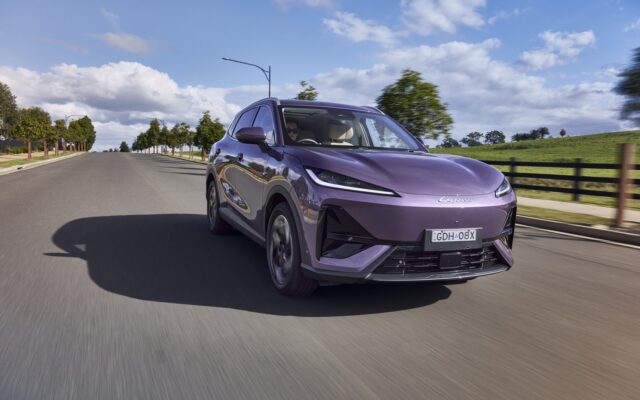
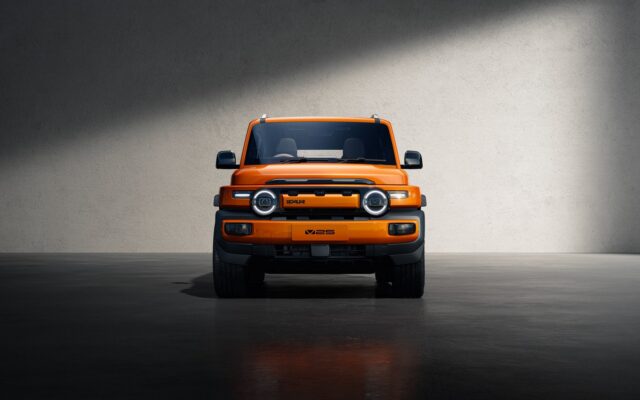
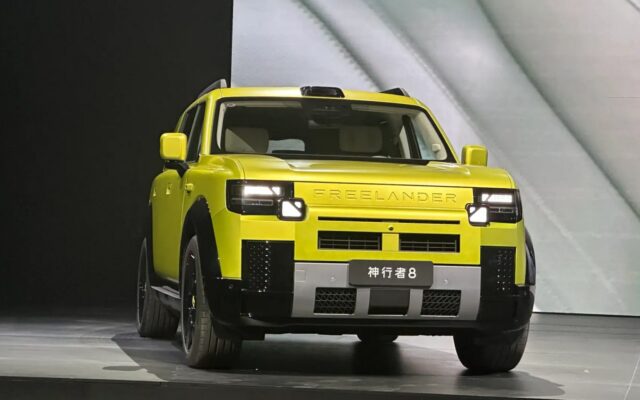
The same pressures are why Chery is expanding its brand portfolio so aggressively, from the Jaecoo and Omoda ranges now selling here to the revived Freelander badge in China. New Zealand sits at the other end of that export strategy, taking finished vehicles from China while Africa starts building its own.
Join the conversation