
Track first, tarmac later: we drive Zeekr’s 500kW 7GT before it lands in NZ
We drive Zeekr's 500kW 7GT at Highlands Motorsport Park as all three versions are confirmed for New Zealand, with more power than Europe gets and a late 2026 arrival indicated.
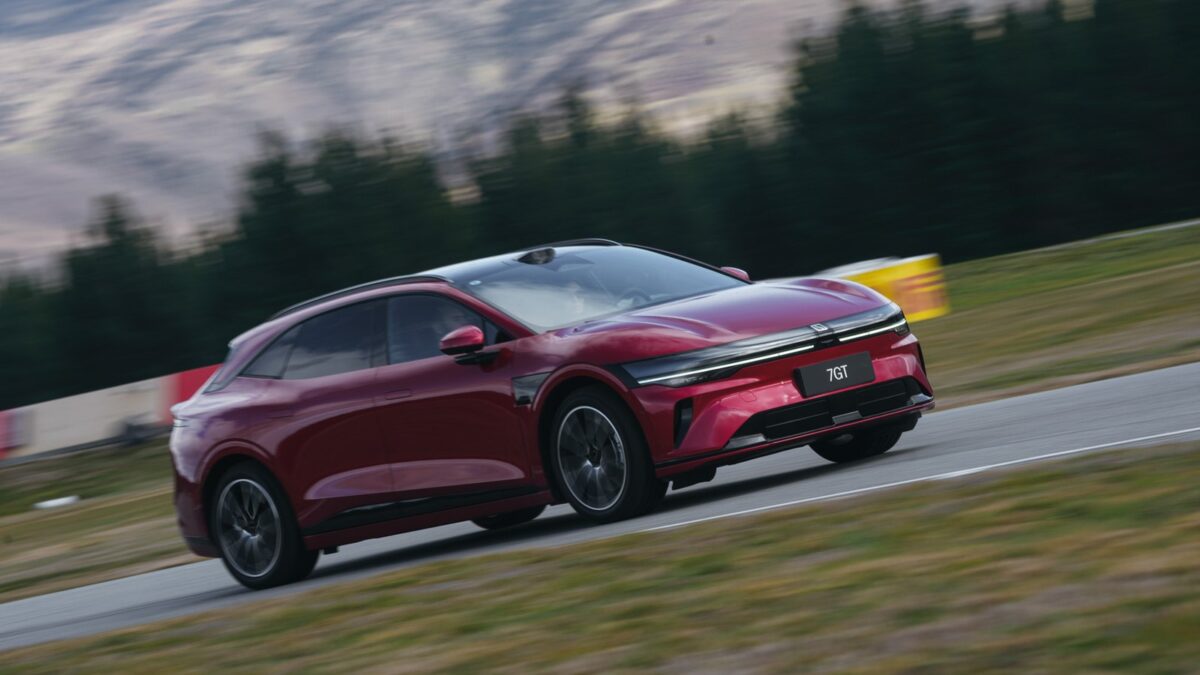
Zeekr let a group of journalists loose in the 7GT at Highlands Motorsport Park before a single example has landed in New Zealand, and used the event to confirm the shooting brake is coming here in all three versions.
The 7GT is the low-slung sister to the 7X SUV that has been on sale here since November. It shares that car’s same 800V architecture but sits around 200mm lower, stretching a little over 4.8 metres on a wheelbase just under three metres. It’s been on sale in China for more than a year now as the 007 GT, having reached Europe earlier this year.
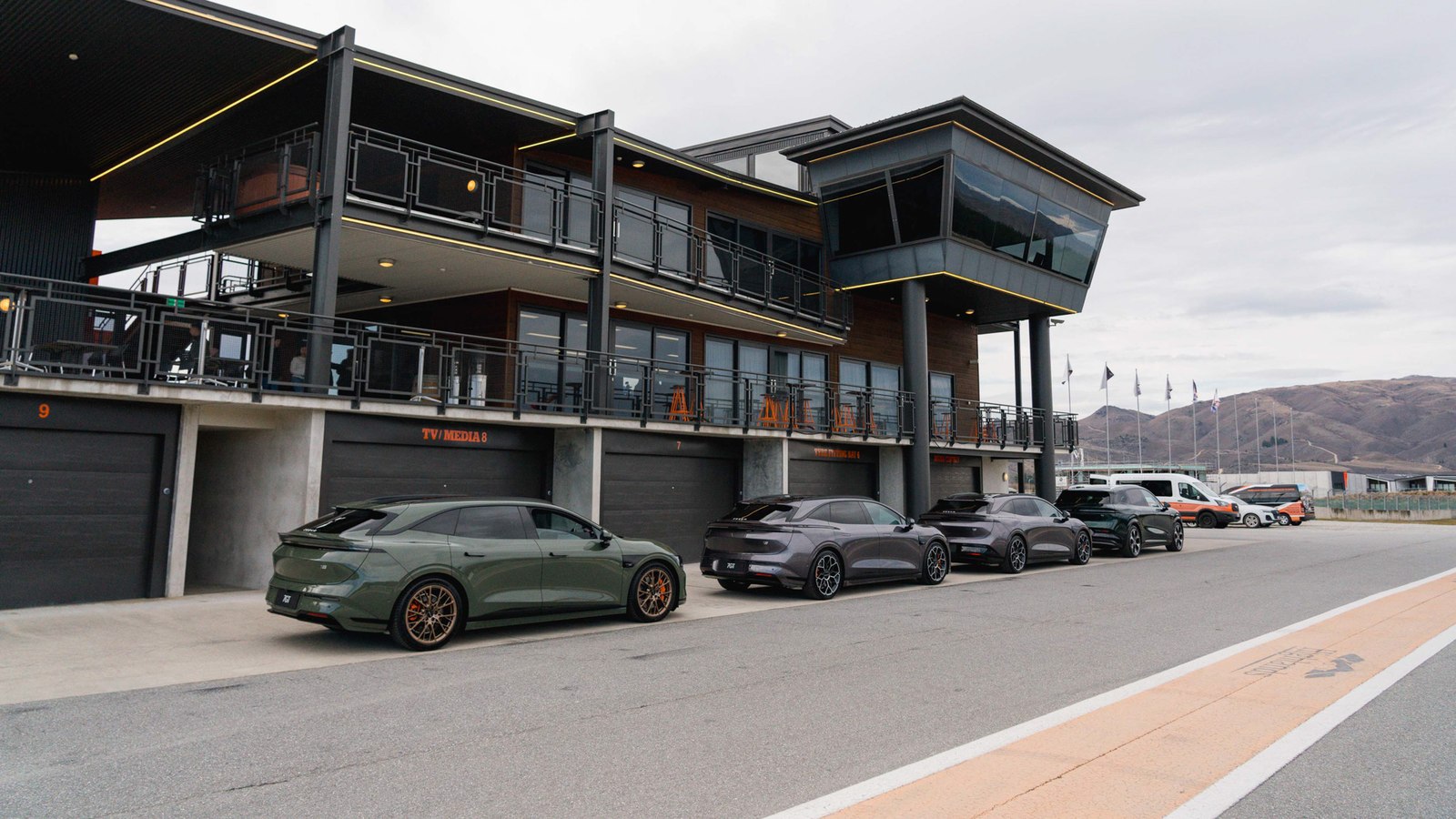
Kenneth Lu, Zeekr’s director of product and aftersales for Australia, confirmed at the event that our market gets the full three-grade range. That means a standard range rear-drive car, a long range rear-drive car and the all-wheel drive performance model.
More power than Europe gets
The single-motor cars make 335kW, and the dual-motor all-wheel drive makes 500kW. Both figures are up on the equivalent 7X, and the 500kW car is also up on the 475kW Zeekr sells in Europe.
“The 500 kilowatts is what we are going to get in New Zealand and Australia,” says Lu. “The performance itself has been tuned to have that peak power.”
Zeekr says the wider vehicle tune is also being adjusted for Australasia, so local cars will not carry over Chinese or European settings.
Zeekr claims a 0-100km/h time of 6.5 seconds for the standard range car, 5.5 seconds for the long range, and 3.5 seconds for the all-wheel drive. Torque figures haven’t been released and Lu says they will come once local specification is signed off.
The standard range car uses a 75kWh ‘Golden Brick’ lithium iron phosphate pack. The two long range grades get a 100kWh Qilin nickel manganese cobalt battery, which Zeekr quotes at 655km on the WLTP cycle. Zeekr hasn’t put local range claims on the other two grades yet.
Peak DC charging is 450kW. Zeekr claims 10 to 80 percent in as little as 10.5 minutes for the smaller battery and about 15 minutes for the larger one, though those are best-case numbers on chargers considerably faster than anything currently operating here. The car also takes 22kW on AC and has the option of vehicle-to-load.
The 7GT is expected to carry a five-star Euro NCAP rating under the tougher 2026 protocols.
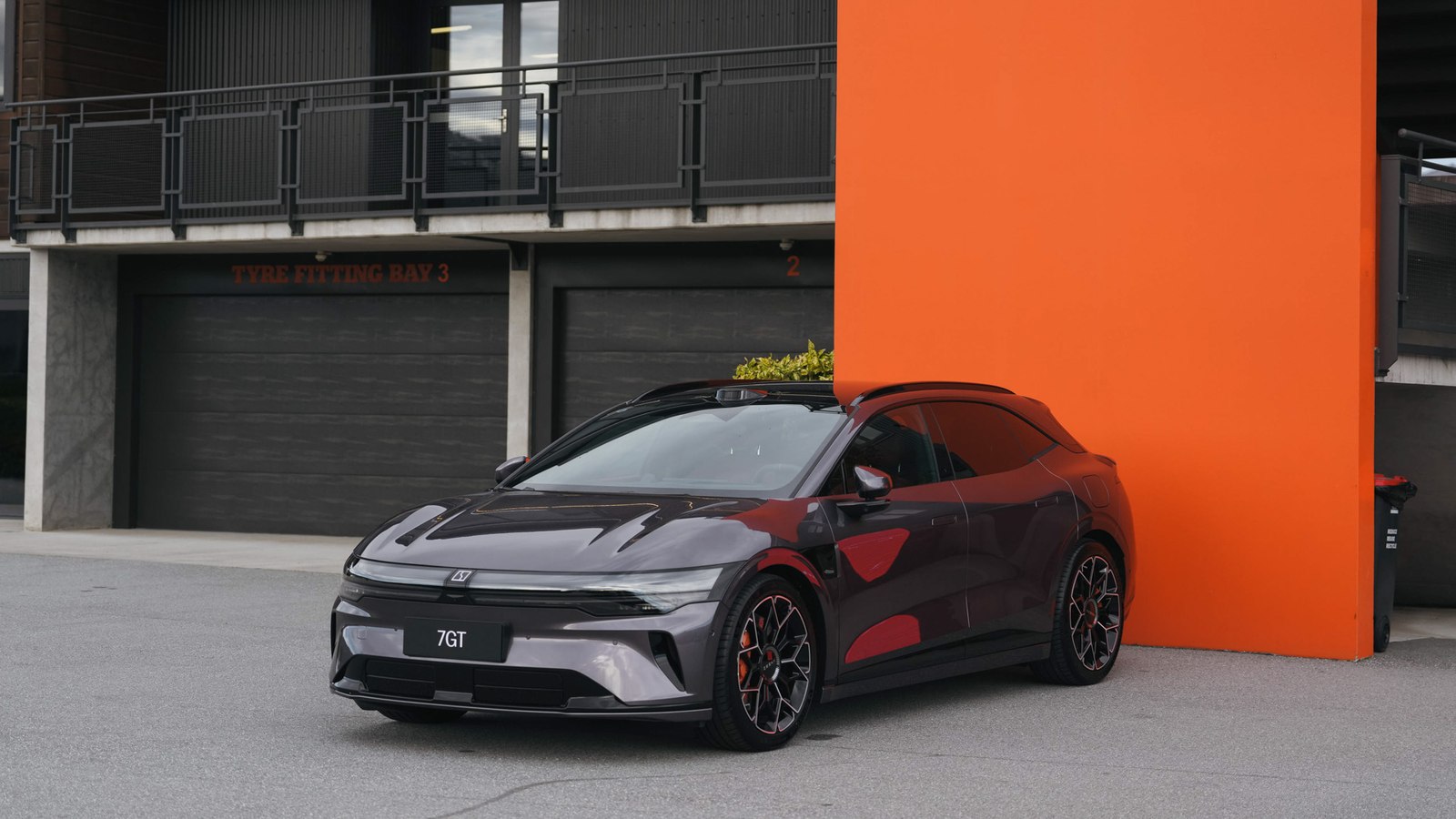
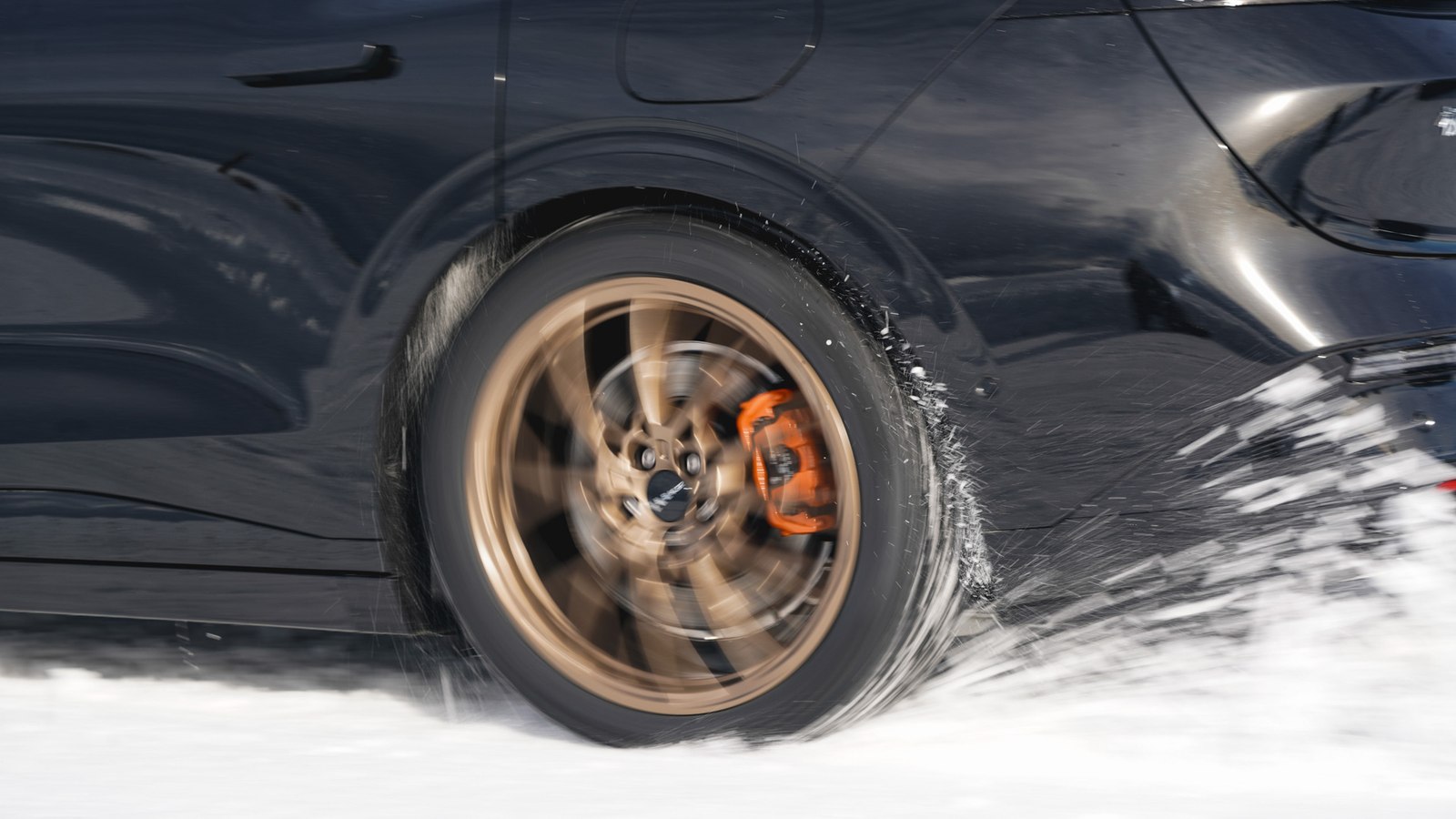
One point worth mentioning, something every reviewer at the event highlighted, was the difficulty in identifying each model visually, with the only visible clue being what sits inside the wheels. If you want to know which car you’re looking at, Lu points at the brakes. The performance model wears orange calipers. The rear-drive cars don’t.
Suspension is double wishbone at the front and five-link at the rear, with five-stage air suspension and continuously controlled damping. Zeekr hasn’t said which grades get air.
What it does on a track
The cars at Highlands were left-hand drive Chinese domestic market examples, and local settings are still being worked through, so this is an early read on the car’s character. A closed circuit does tell you how a chassis behaves when you ask too much of it, and Zeekr had exercises set up to find out.
First was a high-speed lane change, a variant of the moose test, with regen switched fully off. Regen is adjustable across several levels and can be turned off entirely.
“You can really feel that slight bit of give,” says instructor Sam, “and then you can feel everything kicking in to get the car back under control.”
He is right. The intervention is obvious and quick, and the car is straight again before you’ve finished worrying about it.
Then came a gymkhana course in the rain, where the weight becomes obvious. This is a heavy car and it doesn’t hide it through tight switchbacks.
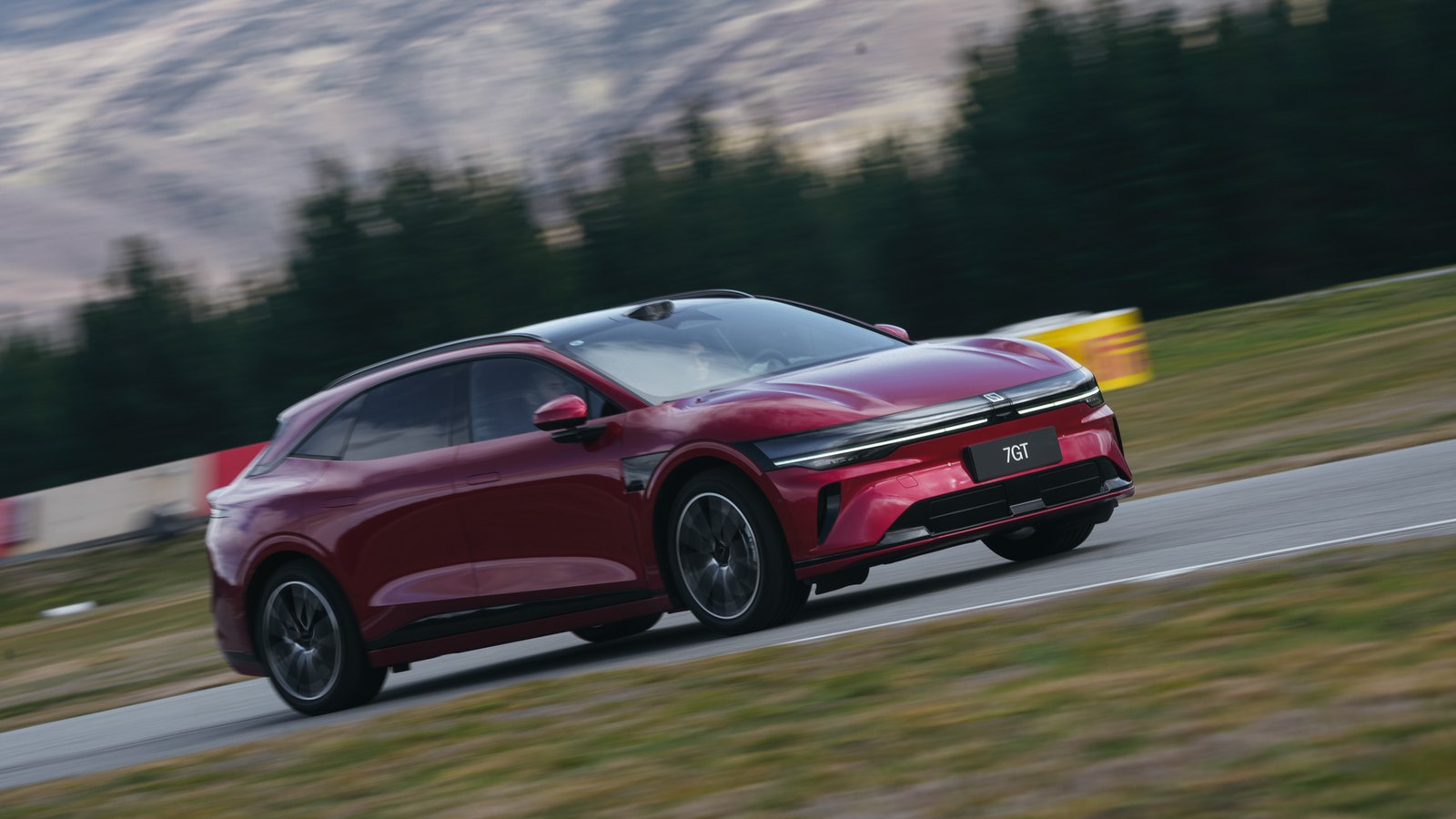
On the circuit proper, what stands out is comfort. This is one of the most comfortable cars we have ever taken on a track, the active damping keeping it settled over kerbs and camber changes in a way most performance cars don’t manage. Push hard out of a slower corner and the rear will step out slightly before the electronics tidy it up. Braking from higher speeds is where you find the limits. We found them, and briefly found the dirt on the outside of the corner as well.
A couple of things grated. The drive modes vary between grades, with sport plus on some cars and only sport on others, and it’s not obvious which you’re in until you go looking. And at one point the car started beeping without putting anything on screen to explain why. Which brings me to one of my pet peeves: car makers, if you are going to warn the driver of something with a warning beep, at the very least put a word on the display explaining what’s wrong!
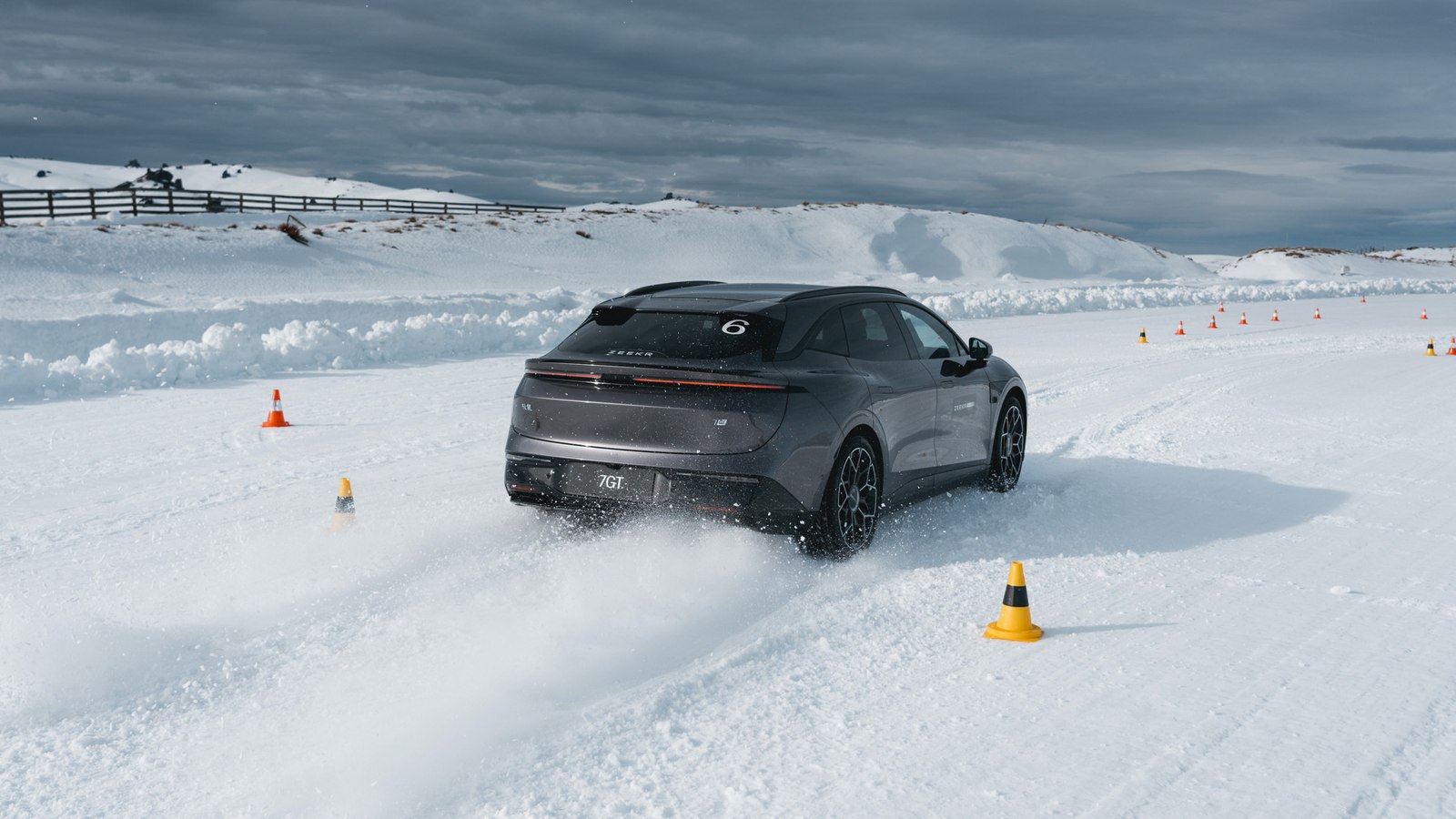
The following day we took it onto the snow at the Southern Hemisphere Proving Grounds above the Cardrona Valley for understeer and oversteer exercises, a slalom, and a chance to walk around and climb through the vehicle. The long wheelbase means the tail takes a moment to come round, and then it really moves.
Inside
The cabin runs a Qualcomm 8295 chip behind a 15.4-inch mini-LED centre screen, a 13-inch driver’s cluster and a 35.5-inch augmented reality head-up display. Audio is a 23-speaker Zeekr Sound Pro system with 2,160W peak and a 7.1.4 Dolby Atmos layout, including two speakers in the driver’s headrest.
Front seats are 14-way powered with heating, ventilation and massage while the rear seats are heated with a power-adjustable reclining feature. There’s leather on most surfaces and microfibre on the roof lining and pillars.
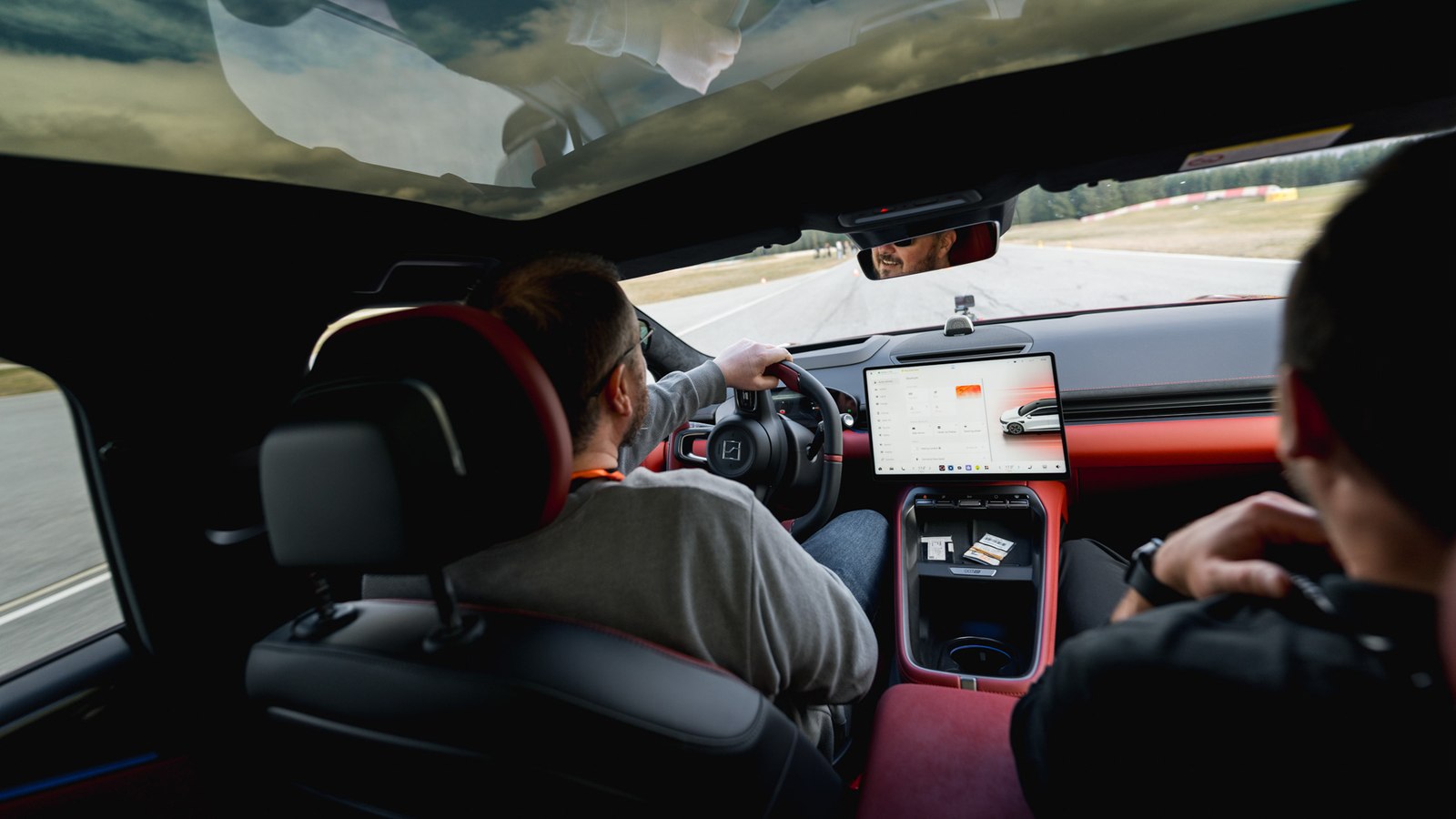
Much to my delight there are also a reasonable quantity of physical buttons on the centre console. Javier Garcia-Gallardo, Zeekr’s director of design, says the 007 sedan launched without any and the complaints came quickly.
“The customers were complaining about the lack of physical buttons for simple stuff like the defroster or the volume, or lock and unlock the doors,” he says. “Some functions that you do use often. So we brought those back when we designed the GT.”
When I asked him whether he prefers buttons or a clean screen-led cabin, he didn’t hesitate.
“I personally like buttons,” he says. “They do bring a lot of richness to the interior. One thing is to bring buttons, another thing is to overdo.”
Zeekr quotes 645 litres of boot space and 1,735 litres with the rear seats folded, although European listings for the same car are lower and measured differently, and the local number will come with full specification.
Designed in Gothenburg
The 7GT was drawn at Zeekr’s design studio in Gothenburg, under a design language the company calls ‘hidden energy’ that also covers the 7X and the 007. Garcia-Gallardo spent six years there before moving to run the brand’s Shanghai studio.
When I cheekily pushed him into taking all the glory for the car’s striking design, he wasn’t having it. “There is no car designed by a single person,” he says. “This is the work of a very talented team of 350 people.”
The full-width light band across the nose is the signature element.
“We can all recognise that traditional combustion vehicles, you always have this face of the two eyes and one mouth,” he says. “When EVs came to the picture, we removed the mouth. These two eyes stayed there. We focused a lot on this band as a graphical element, maybe more similar to how a consumer electronics company would do it rather than a traditional automotive company.”
On some cars the band holds an LED display of almost 2,000 individual LEDs, which owners can program.
“The whole idea was to be able to create different digital signatures, your own personal light signatures, so the car can be very personalised to you,” he says. “So your friends from far away can recognise that one is your car.”
No word yet on whether that display will end up on models here.
Price and timing
Zeekr hasn’t yet released New Zealand pricing. For reference, however, the 7X currently runs from $69,990 to $94,990, and in Europe the 7GT is priced below the equivalent 7X. Zeekr New Zealand has previously indicated the 7GT should arrive late this year or early in 2027.
That’s not all: there may also be a fourth version. Lu told us a special edition is under discussion, with one example already at the event, though he stopped short of confirming it for production.

Join the conversation