
Saudi Arabia’s first carmaker reveals its EVs, with petrol and plug-in hybrids to follow
Saudi Arabia's first carmaker Ceer has revealed the Exobot sedan and SUV, with 112kWh batteries and 800-volt charging, and says plug-in hybrids and petrol models will follow from 2028.
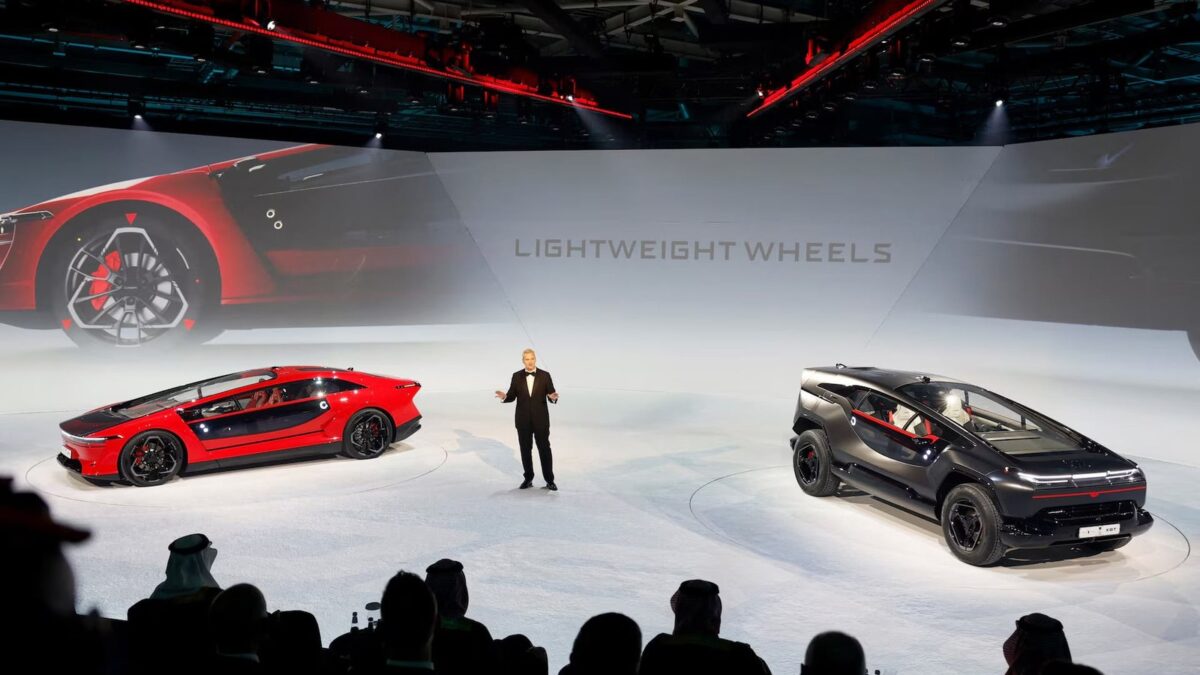
Saudi Arabia’s first carmaker has revealed the two models it will launch with, and the company set up to build electric cars says plug-in hybrids and petrol models will follow.
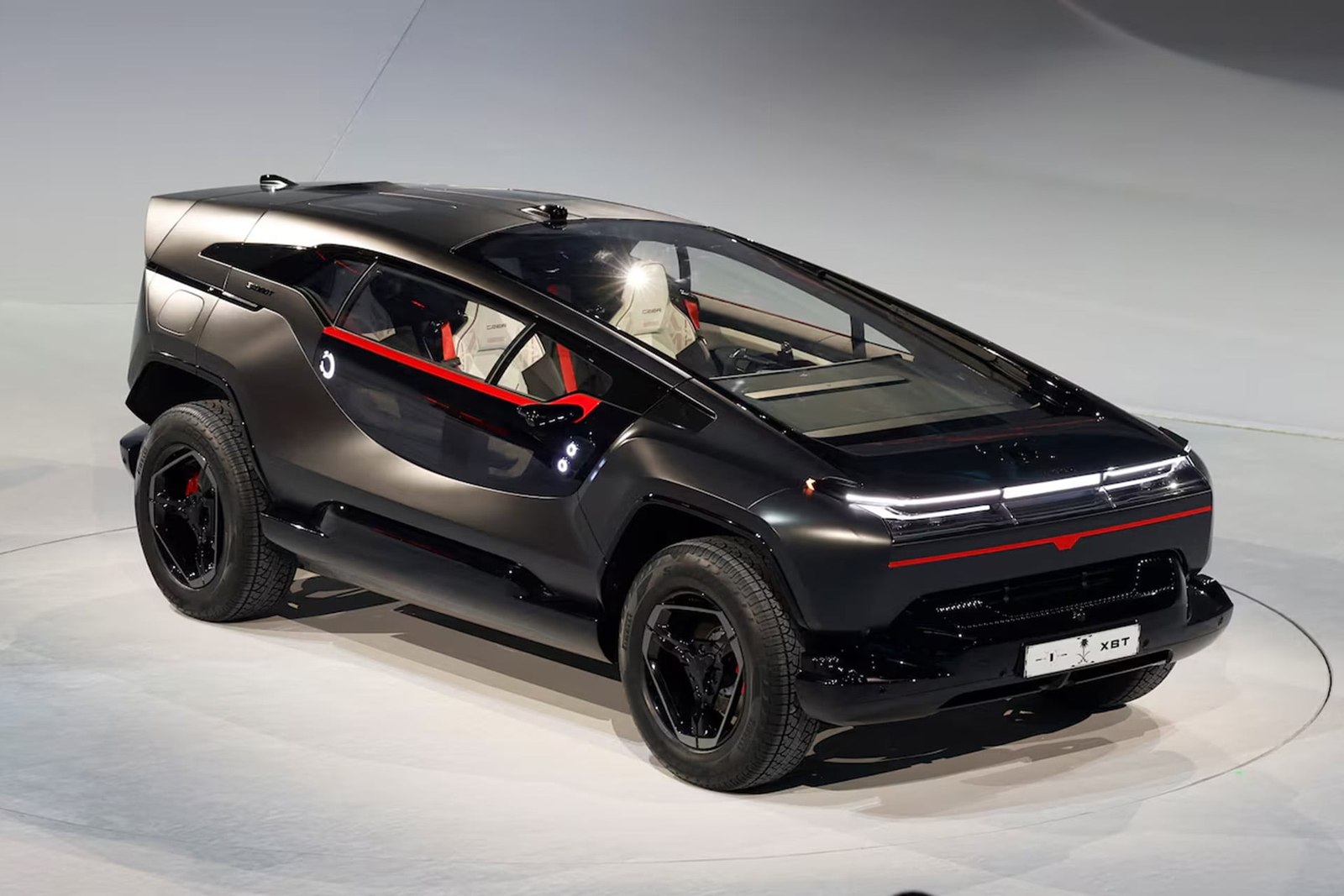
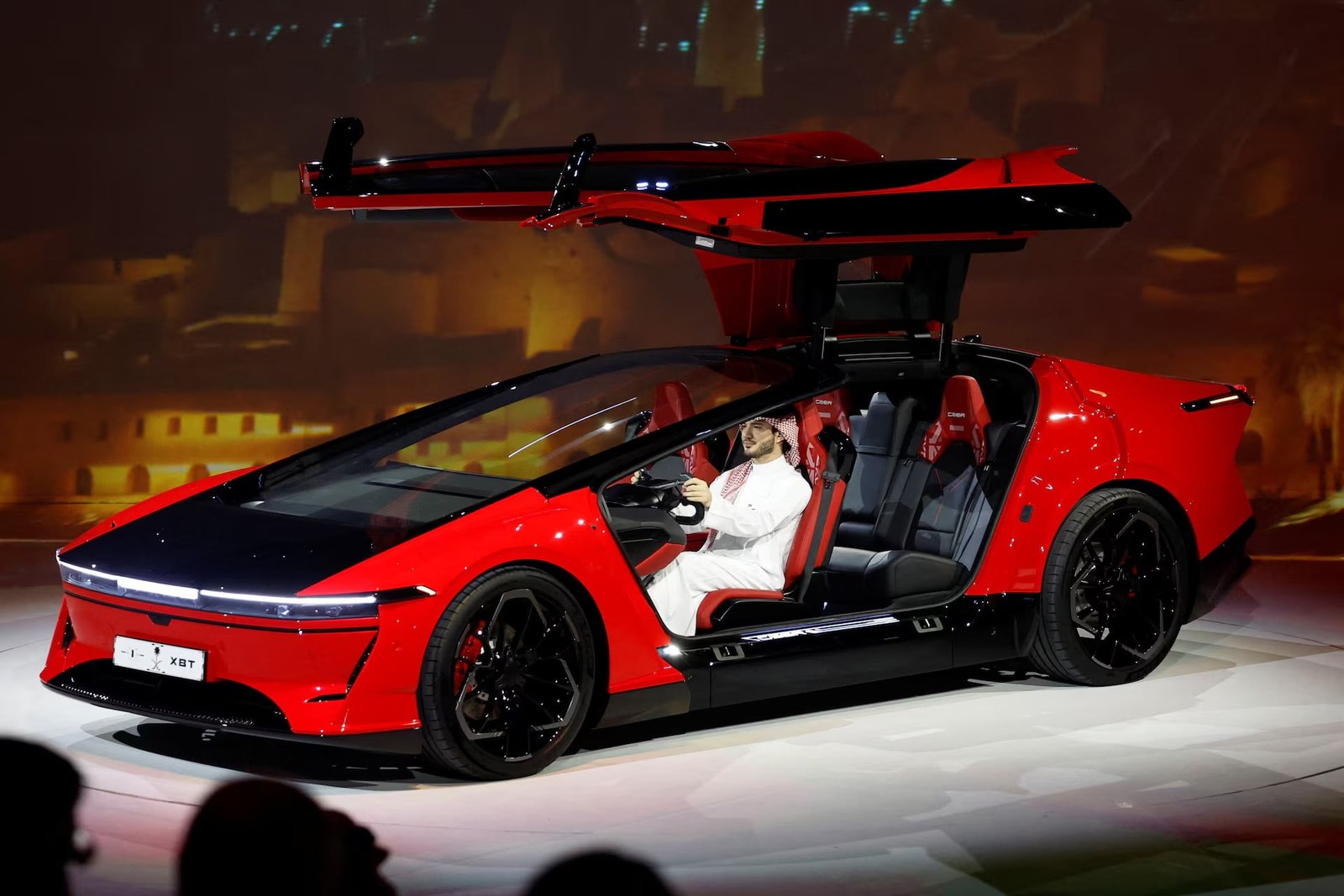
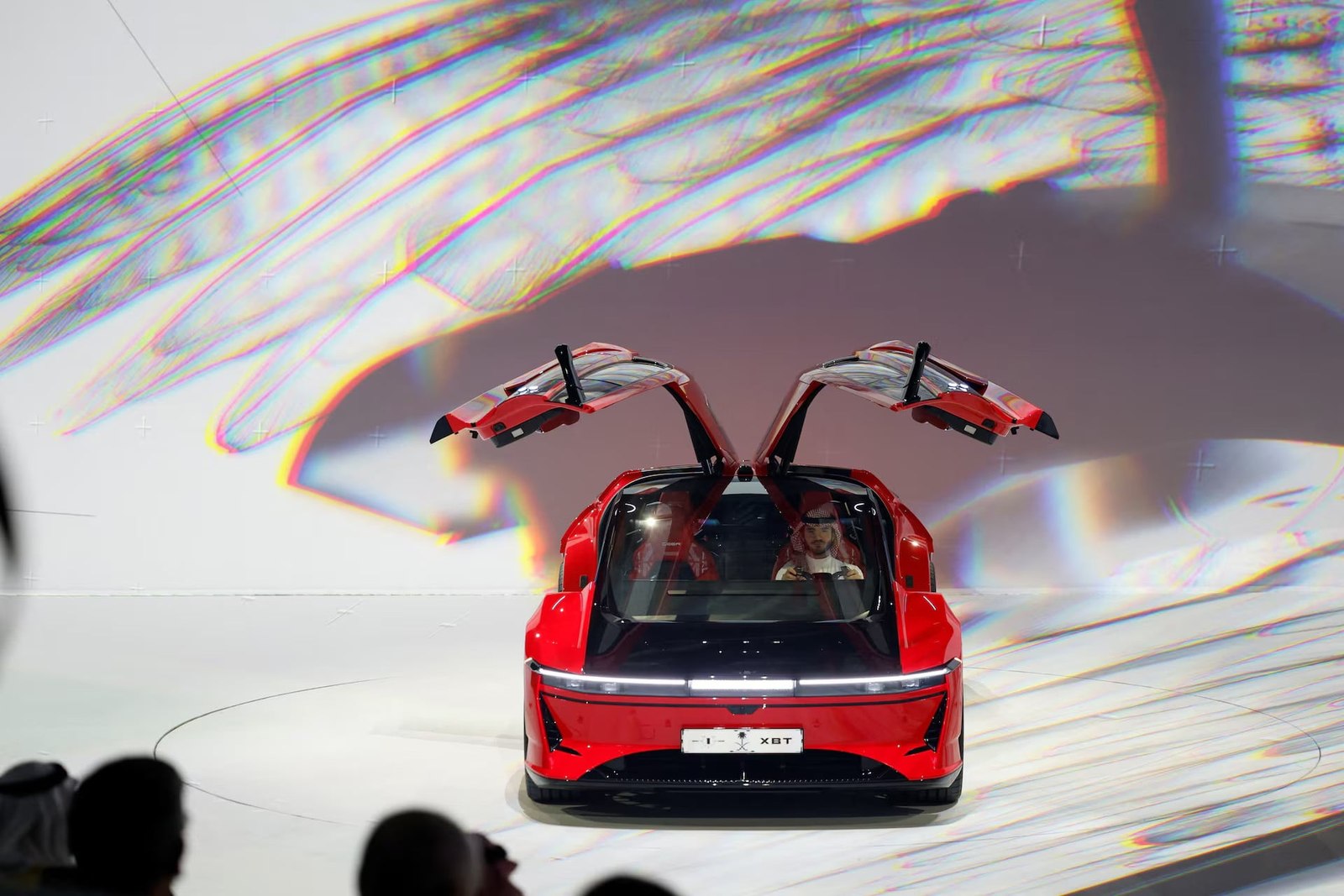
Ceer unveiled the Exobot sedan and SUV in King Abdullah Economic City this week, with sales beginning in Saudi Arabia in early 2027. Both use dramatic wedge styling, upward-opening doors and a body structure without the pillar normally found between the front and rear seats, which chief executive Jim DeLuca says is made possible by high-strength materials.
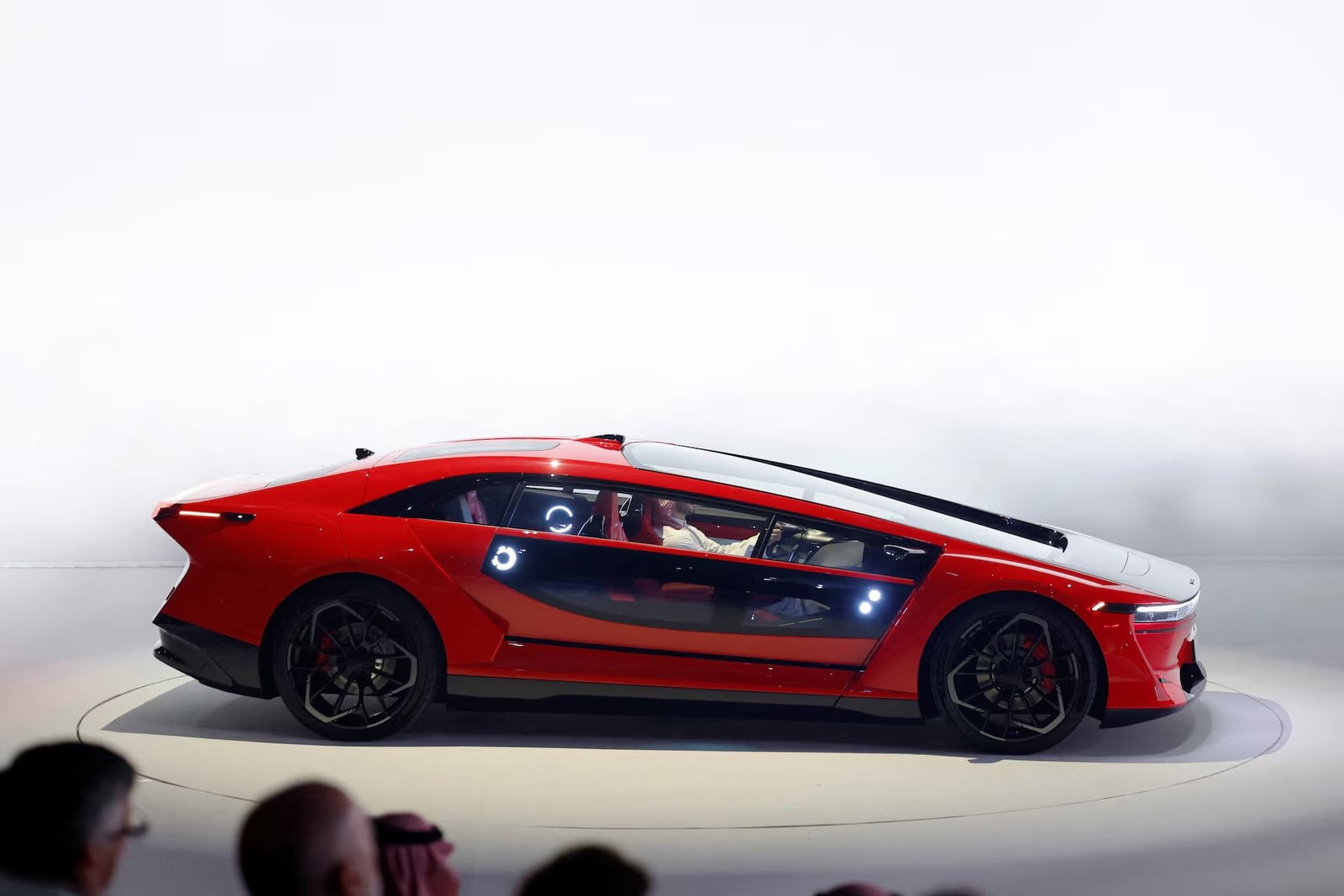
Figures published at the launch put both cars on a 112kWh nickel manganese cobalt battery with an 800-volt architecture, charging from 10 to 80% in under 30 minutes. Ceer quotes up to 850 horsepower, around 625kW, for all-wheel drive versions, with the sedan reaching 100km/h in 2.6 seconds. Range is quoted at up to 670km for the sedan and 560km for the SUV on the NEDC cycle, which is considerably more generous than WLTP. Rear-wheel steering, dual-chamber air suspension and torque vectoring are fitted, and the cabin runs a 48-inch curved display, camera-based mirrors and a voice assistant that works in Arabic and English.
The expansion plan is where the strategy has shifted. Five more mainstream models are planned between 2028 and 2030, and DeLuca told Reuters that range will include plug-in hybrids and combustion-powered cars, letting the company respond to changing demand. Ceer was established in 2022 to build battery electric vehicles.
Sales will extend to neighbouring markets from 2028 and then more widely across the Middle East and North Africa. DeLuca says the mainstream models will be engineered to meet global regulatory requirements, which would give Ceer the option of selling further afield, though that is some distance from a confirmed export programme for markets like ours.
Ceer is a joint venture between Saudi Arabia’s Public Investment Fund and Taiwanese electronics manufacturer Foxconn, part of the kingdom’s effort to diversify its economy away from oil. Foxconn supplied the electrical architecture and BMW contributed engineering, while suppliers including Lear, Shin Young, Benteler and Fangxin are establishing factories in the country with government support.
“We wanted to make sure the world could see what Saudi Arabia is capable of,” DeLuca said at the unveiling.
The country has tried to build cars before. A proposed Jaguar Land Rover factory was abandoned more than a decade ago, and Toyota declined a deal in 2019, citing high labour costs and a shortage of local suppliers. Ceer also enters a market where Chinese manufacturers are expanding hard and several EV startups have already failed, with logistics disruption and inflation adding to the difficulty.
DeLuca, who previously ran Vietnamese carmaker VinFast, says the company intends to expand carefully through to 2034. “We want to make sure we move very methodically,” he said. “It only takes one mistake and you can kill a startup.”
Join the conversation