
Only a handful of EVs can feed the grid, EECA’s first V2G report finds
EECA's first Queenstown vehicle-to-grid trial report finds V2G support in New Zealand limited to a handful of models, mostly on a trial-only basis, with only two compliant chargers and export tariffs just emerging.
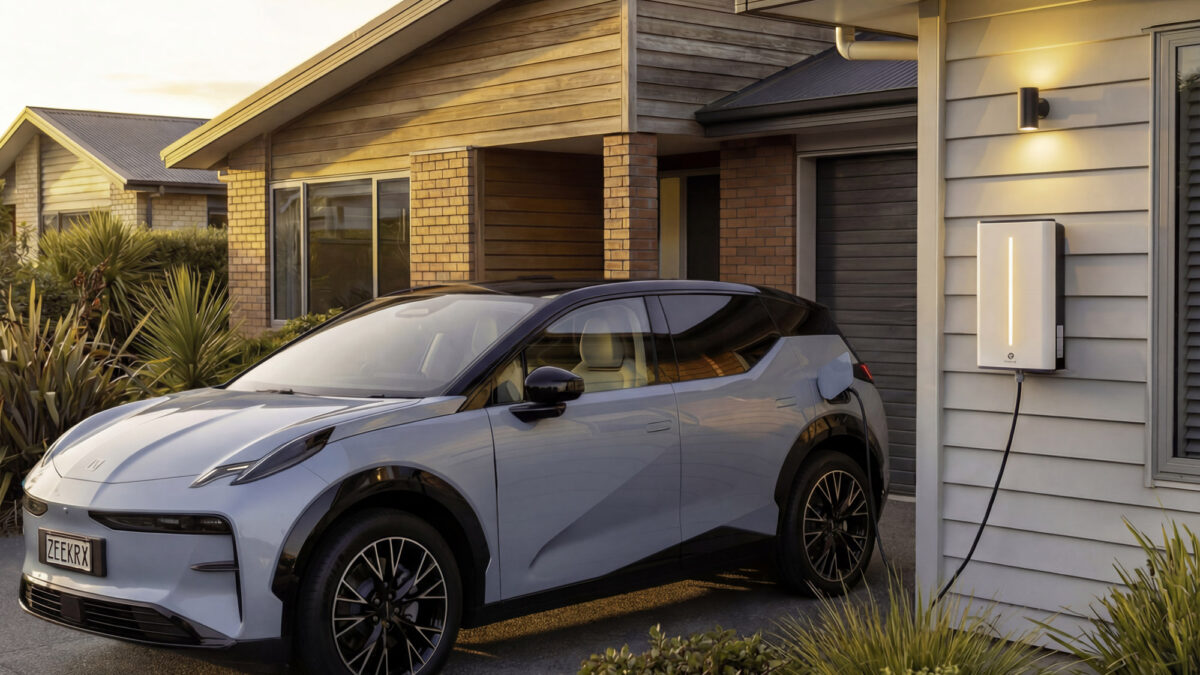
Only a handful of electric vehicles in New Zealand are supported by their makers for sending power back to the grid, and for current CCS2-equipped models that support is limited to approved trials, according to the first report from EECA’s vehicle-to-grid trial in Queenstown.
The report, published this week, sets out the state of the local V2G market ahead of results from the trial itself. EECA is running the programme with Rewiring Aotearoa, Retyna and McKay, which has installed the first tranche of bidirectional chargers in the Queenstown Lakes district. Data from those installations is now flowing, and a second trial in an urban area is planned.
EECA’s conclusion is that commercial V2G in New Zealand is held back by limited compatible vehicles and chargers, electricity market arrangements that are still forming, and uneven support from car makers. Coordination across manufacturers, charger suppliers, retailers, lines companies, regulators and consumers will be needed for wider uptake.
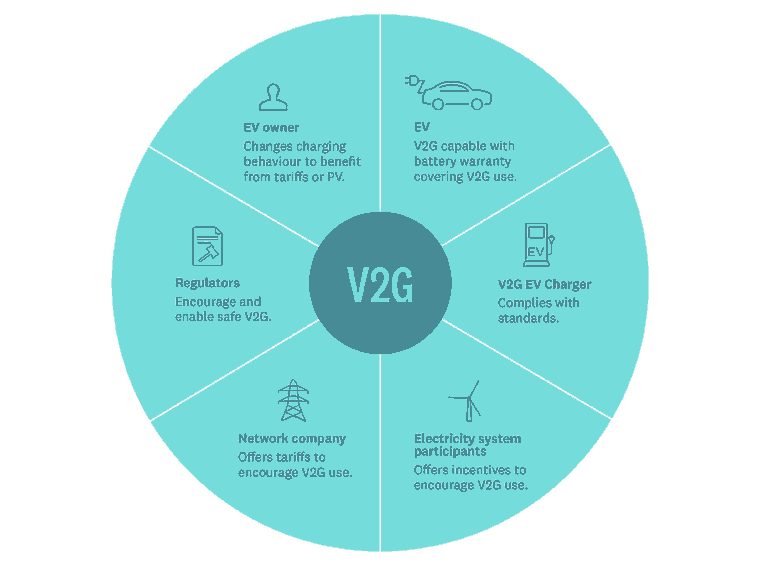
Which cars are supported
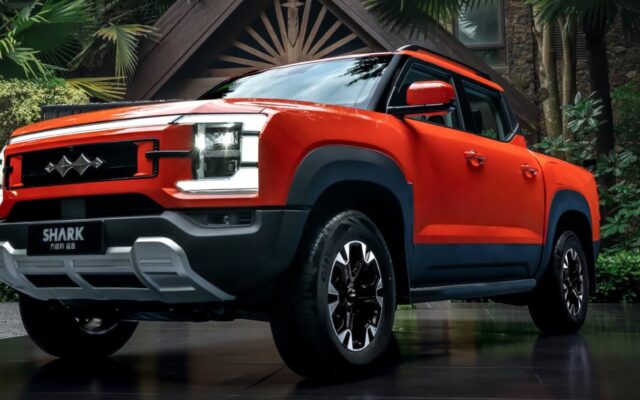
For cars with the CCS2 plug used by every new EV sold here, manufacturer support is confined to approved trials. BYD supports the Atto 3 once a BYD agent has installed a software update and BYD NZ has approved the individual car. NordEast, the distributor for Polestar, Volvo, Zeekr, Farizon and Geely’s EX5 and Riddara RD6, supports those models for DC V2G on the same approval basis.
Older CHAdeMO cars are better supported on paper. Mitsubishi backs V2G on the Outlander and Eclipse Cross plug-in hybrids, and used-import Nissan Leafs and e-NV200s with CHAdeMO 1.2 or later are capable, though Nissan NZ provides no warranty cover on used imports regardless. The catch is that no CHAdeMO V2G charger currently meets New Zealand’s regulatory requirements, while CCS2 chargers that do comply are available but can only be used with trial-approved cars.
| Make and model | V2G support in New Zealand |
|---|---|
| BYD Atto 3 | Approved trials only; BYD software update and BYD NZ approval per vehicle |
| Farizon (all models) | Approved trials only; NordEast approval per vehicle |
| Geely EX5, Riddara RD6 | Approved trials only; NordEast approval per vehicle |
| Polestar (all models) | Approved trials only; NordEast approval per vehicle |
| Volvo EX30, EX90 | Approved trials only; NordEast approval per vehicle |
| Zeekr (all models) | Approved trials only; NordEast approval per vehicle |
| Mitsubishi Outlander PHEV, Eclipse Cross PHEV | Supported with a CHAdeMO V2G charger |
| Nissan Leaf, e-NV200 (used imports, CHAdeMO 1.2 or later) | Technically capable; Nissan NZ gives no warranty cover on used imports |
Kia New Zealand has told EECA it is working to enable its vehicles for the trials. Many other EVs on sale may be technically capable but are excluded because their makers have not confirmed V2G support or battery warranty cover.
The outlook improves from next year. Cars using the ISO 15118-20 communication standard, designed for V2G, are expected from 2027, and BYD has said all new models it introduces from mid-2027 are expected to be V2G capable with the use covered by its standard warranty.
“2027 is set to be a pivotal year for V2G as the first EVs with ISO15118-20 start to enter the NZ market,” says Liz Yeaman, an EV consultant and CharIN’s Australia and New Zealand representative, whose team is project managing the Queenstown trials.
Chargers, adaptors and tariffs
Only two chargers meet the requirements: the StarCharge Halo, and the SigenStor EV DC, which can only be used with SigEnergy home energy systems. Both are DC units. The current AS/NZS 4777 inverter standard only allows AC V2G using car and charger combinations proven to comply, and no car maker has yet demonstrated that, although an update to the standard is under way.
EECA warns against using online CHAdeMO-to-CCS2 adaptors for V2G. They may connect physically but lack the communication software for two-way charging, and can create safety risks and affect warranty or insurance cover.
Tariffs that pay for exported EV power are also only starting to appear. In a trial between Octopus Energy and Aurora Energy in the Queenstown Lakes area, customers are paid an extra 5 to 20c/kWh on top of Octopus’s standard export rate during peak periods, rising to an extra 70c/kWh in Arrowtown, where the network is more constrained. Genesis is also involved in the Queenstown trial.
Why it matters
The report cites analysis by Concept Consulting and Retyna last year that V2G could be worth up to $2,000 per light EV per year, and Drive Electric’s estimate that if around 30% of the light fleet were V2G-enabled, its combined export capacity could match New Zealand’s total current generation capacity. Queenstown was chosen partly for resilience, given its exposure to an Alpine Fault earthquake, as we reported when BYD NZ sought Atto 3 owners for the trial.
EECA’s next report, covering trial design, the first installation lessons and early customer experience, is due in late 2026. The full market report is available from EECA.

Join the conversation