
BYD Sealion 5 gets three-star ANCAP rating, M9 scores five
The Sealion 5 is the first BYD to miss out on a five-star ANCAP rating, while the new M9 people mover gets the full five.
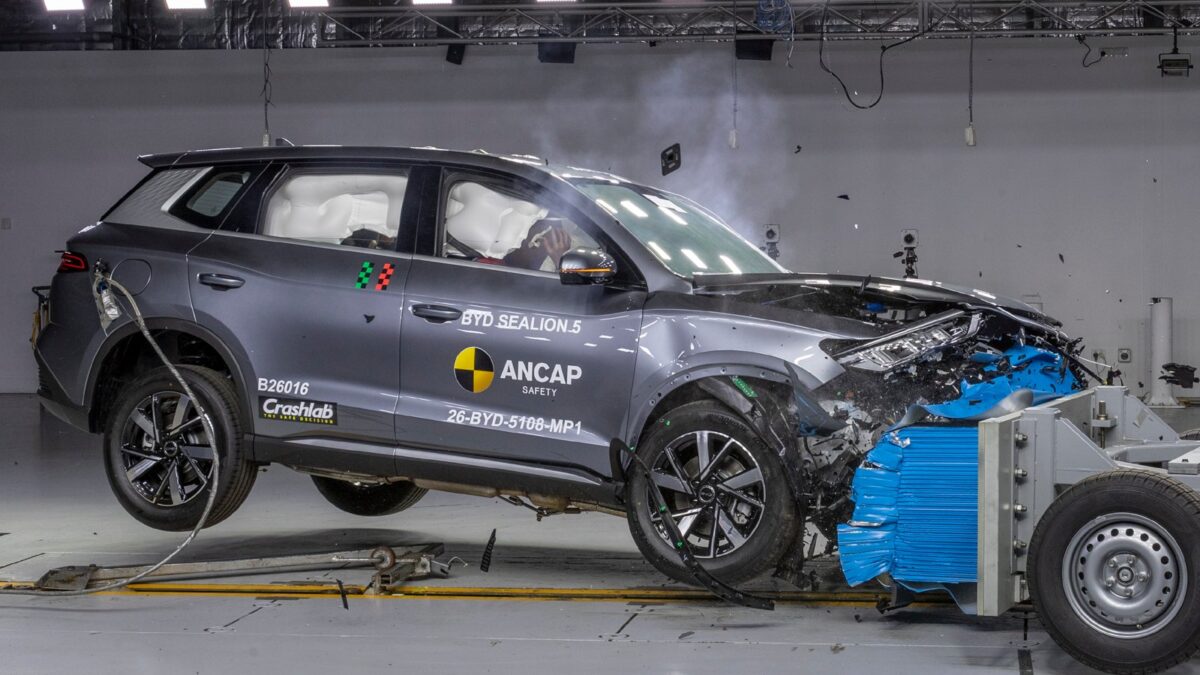
The BYD Sealion 5 has been given a three-star ANCAP safety rating, making it the first BYD model rated by ANCAP to miss out on five stars. The new M9 plug-in hybrid people mover, tested at the same time, gets the full five.
Both were assessed against ANCAP’s current 2026-2028 criteria. The Sealion 5 was not put forward by BYD; ANCAP selected it for testing itself.
Sealion 5: three stars
The Sealion 5 scored 48 per cent for Safe Driving, 51 per cent for Crash Avoidance, 79 per cent for Crash Protection and 74 per cent for Post-Crash. The rating covers both the Essential and Premium variants.
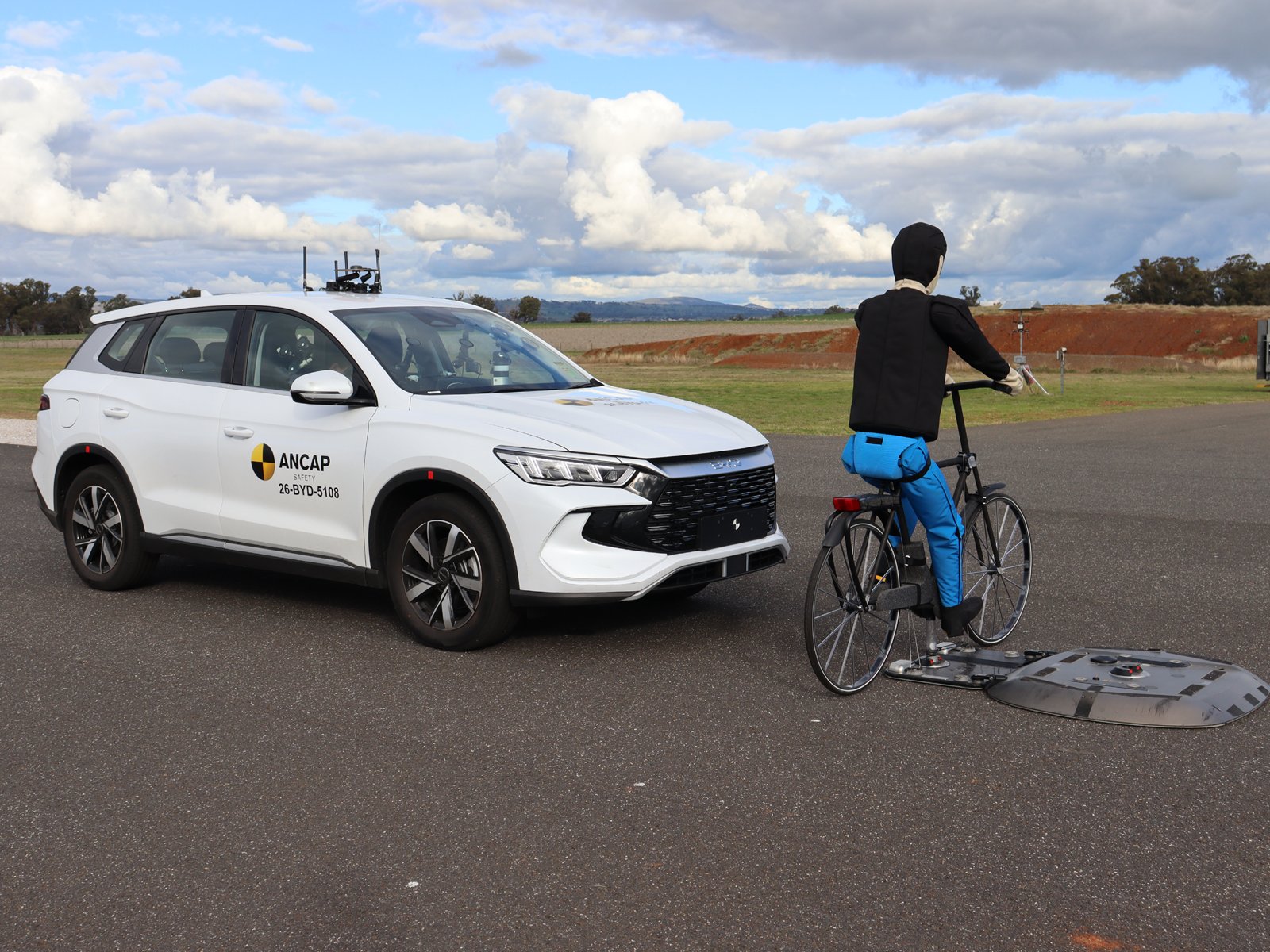
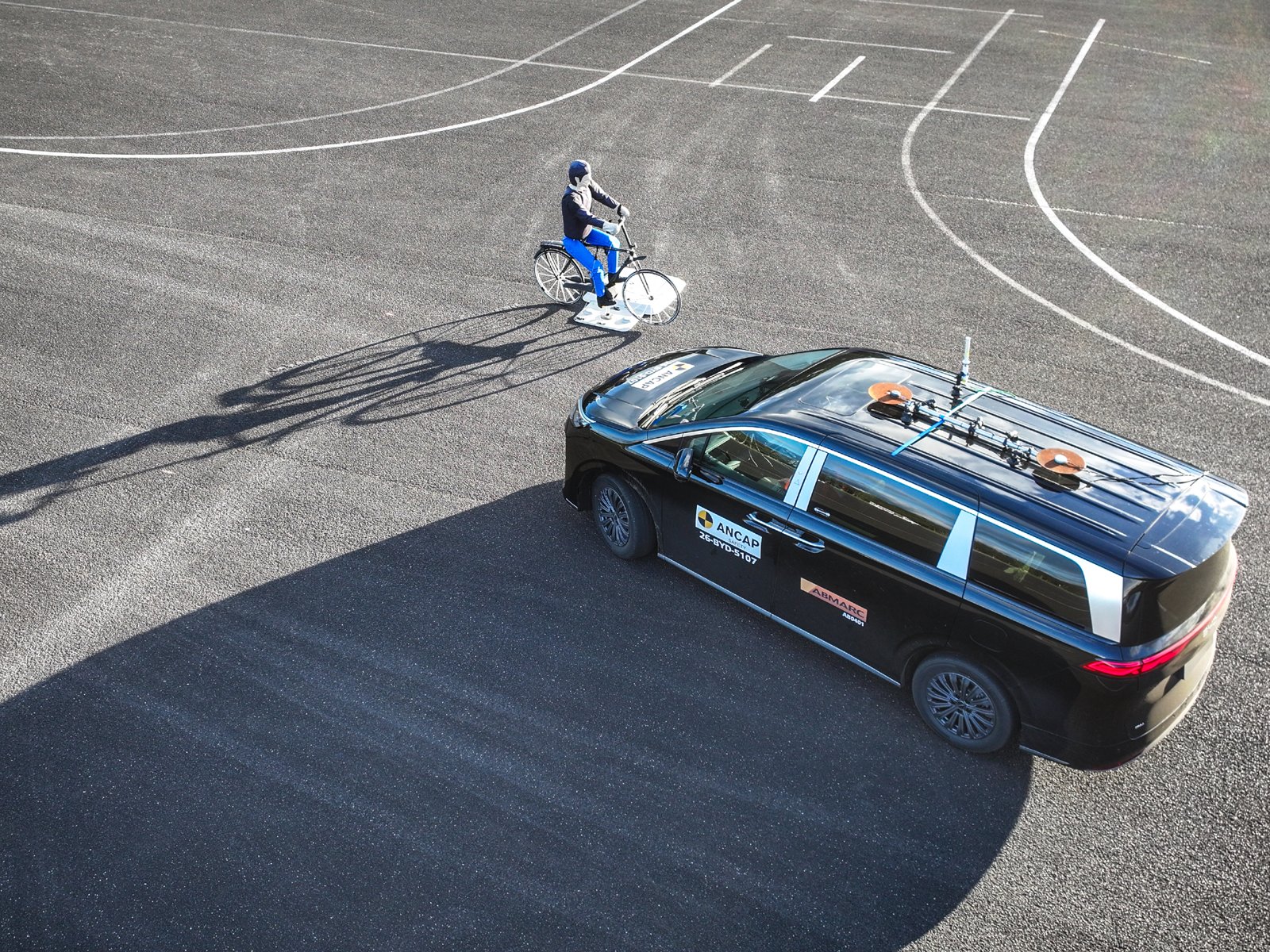
ANCAP says crash avoidance and safe driving performance were what held it back. Its emergency lane keeping system did not intervene when the car drifted towards the road edge, a capability ANCAP has encouraged since 2018. Lane support overall scored 37 per cent, and low-speed collision avoidance just 17 per cent, with AEB struggling in intersection and turning scenarios.
The Sealion 5 also goes without child presence detection, which ANCAP has assessed since 2023, along with seatbelt misuse alerts, occupant stature classification and low-speed pedal misapplication protection. Several of those are fitted to the M9 and other current BYD models. There is no eCall either.
The driver monitoring system picked up common distractions but could not detect phone use or respond to an unresponsive driver. ANCAP also marked it down because headlight adjustment, interior lights and climate fan speed are controlled through the central screen.
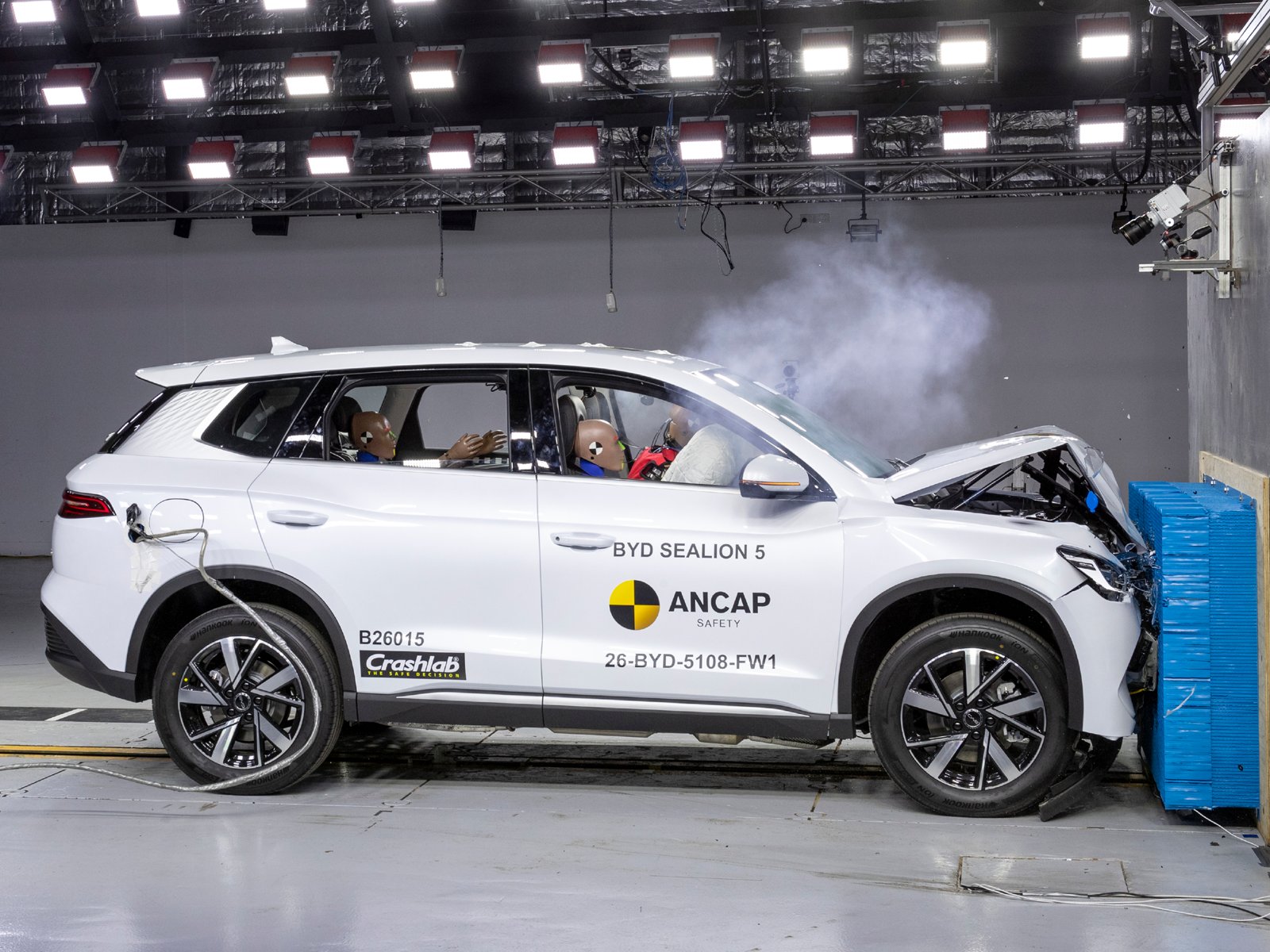
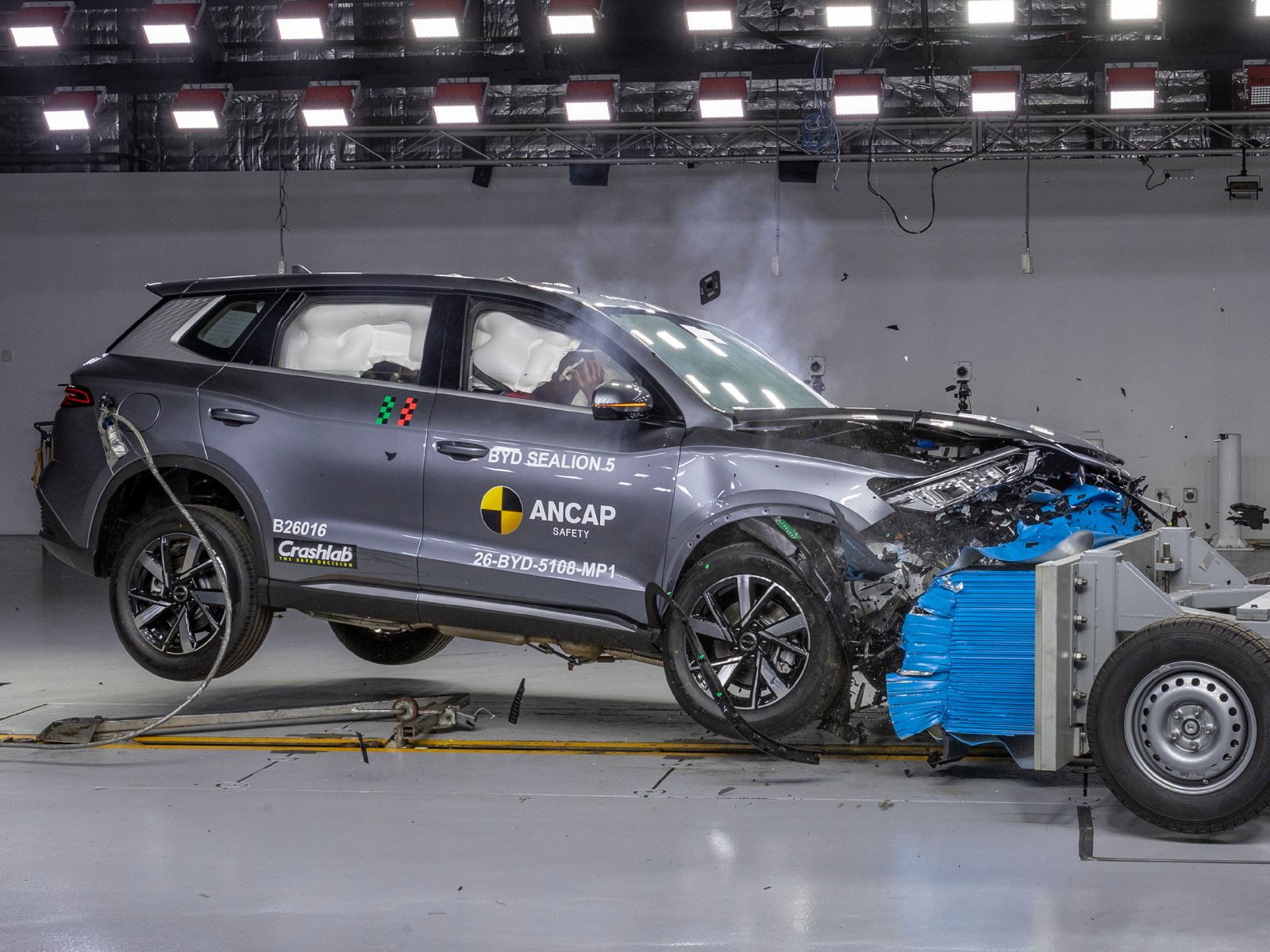
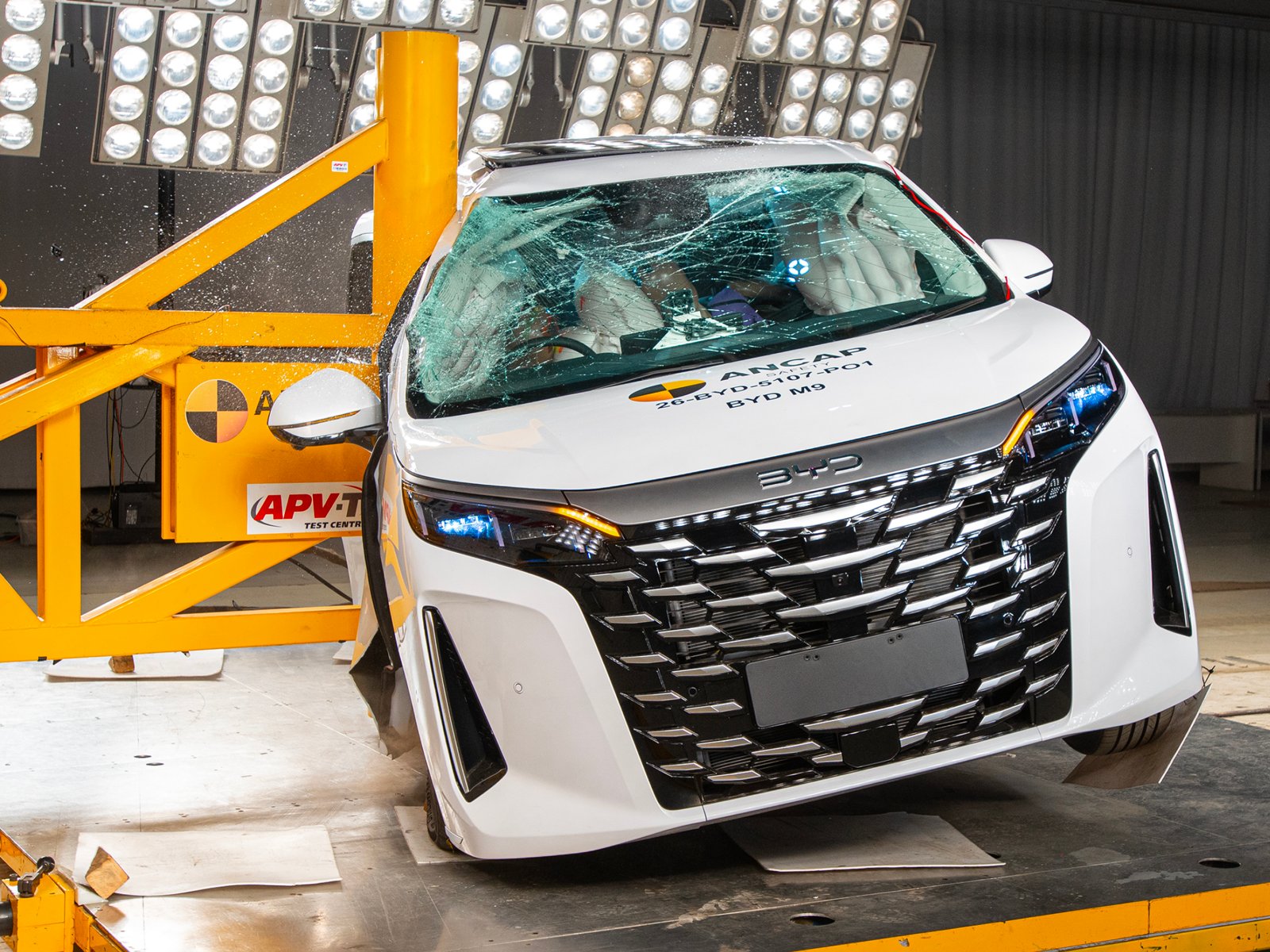
Crash protection was more respectable. It scored maximum points for adult and child occupants in the side impact test, and protection in the full-width frontal test was generally good. The new virtual and sled tests showed protection dropped off for larger occupants and at higher crash severity, and a deduction was applied for the risk it poses to occupants of an oncoming vehicle in a head-on crash.
In the frontal offset test, there was a higher injury risk to the driver’s chest and lower legs and the front passenger’s neck. A penalty was applied for rollover protection because BYD did not provide evidence that the curtain airbag would deploy and stay inflated in a rollover. All child restraints tested could be installed correctly.
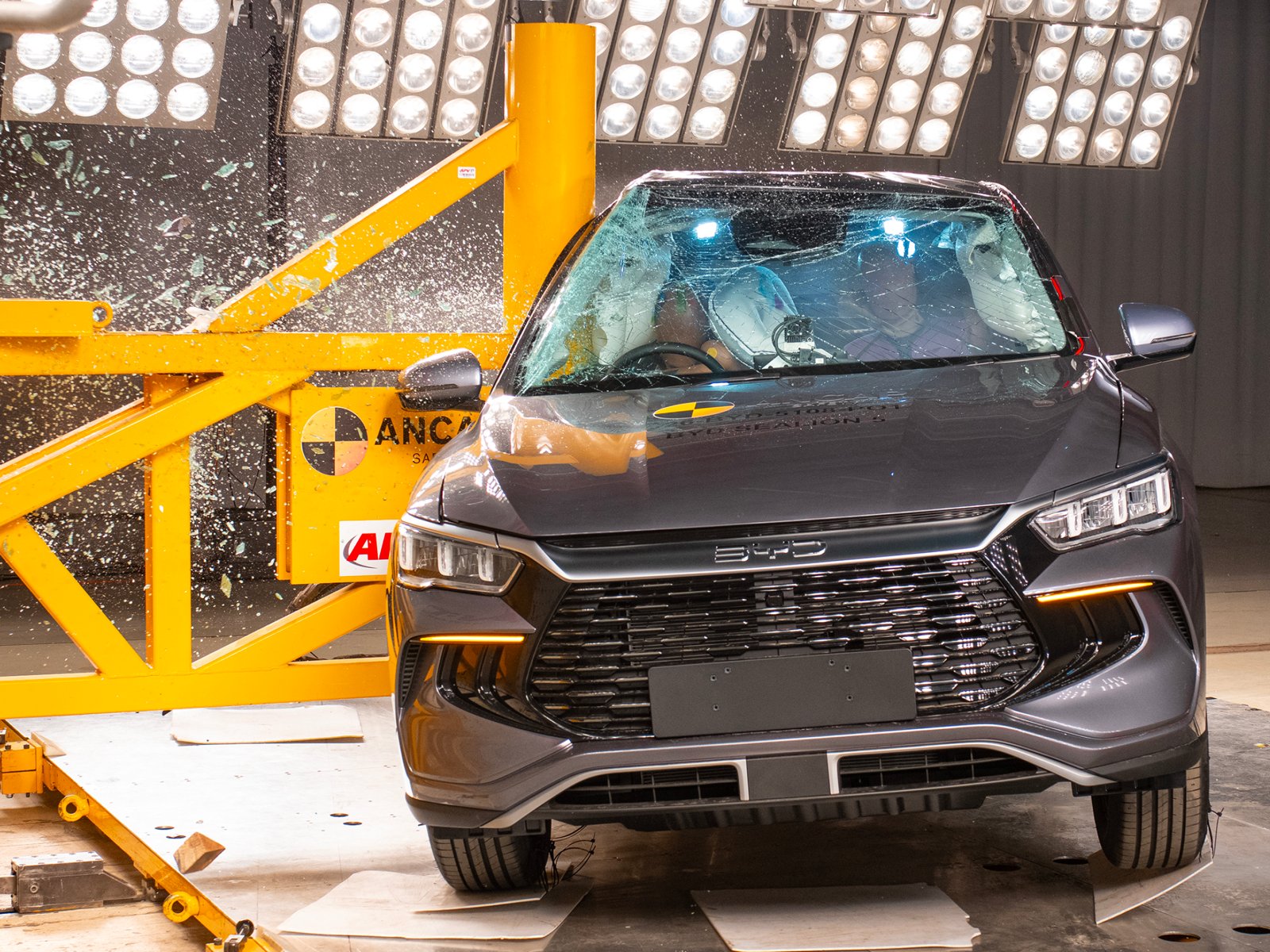
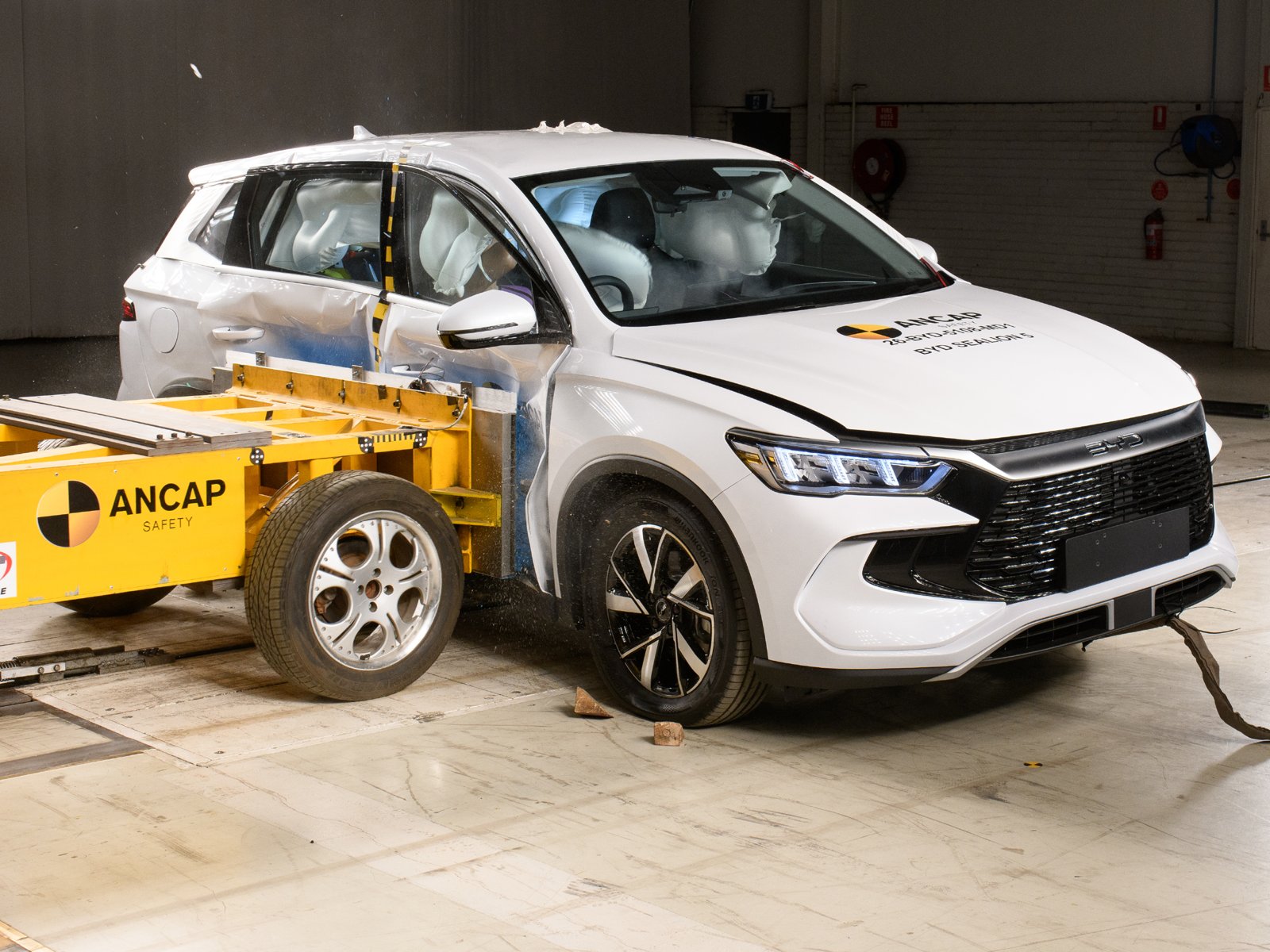
On the post-crash side, the plug-in hybrid scored full marks for battery thermal propagation, and voltage was isolated correctly in three of four destructive tests. In the full-width frontal test, voltage did not drop to the required level in time and a penalty was applied.
What ANCAP and BYD say
“BYD has been, and continues to be, proactive in bringing forward models for ANCAP testing,” said ANCAP CEO Carla Hoorweg. “However, the Sealion 5 was a model the brand hadn’t actively pursued for testing, and was subsequently selected by ANCAP to ensure consumers have a clear picture of its safety performance.”
BYD New Zealand country manager Warren Willmot said the company was disappointed with the result.
“The Sealion 5 went on sale in New Zealand in September 2025, so we believe it’s only fair that it be assessed against the 2025 ANCAP criteria that applied when it arrived, rather than the 2026-2028 requirements introduced since,” he said.
“It’s also worth noting that the Sealion 5 is one of the longest-serving models in BYD’s international line-up, and it will be superseded next year. The M9’s five-star result under the new, tougher protocols shows what our current generation of vehicles delivers, and that’s the standard New Zealanders can expect from BYD models to come.”
Willmot also pointed to battery chemistry. “Safety goes beyond what crash-test ratings currently measure. No NCAP program anywhere in the world tests battery safety or battery chemistry today. Every Sealion 5 uses BYD’s Blade Battery, which we believe is the safest EV battery in the world. Its lithium iron phosphate (LFP) chemistry is designed so that it doesn’t go into thermal runaway, even when pierced.”
“Some five-star-rated vehicles on sale in New Zealand, including utes, use NCM batteries, which can go into thermal runaway if they’re damaged in that way. We think that’s an important part of the safety picture, and buyers should have that information too.”
ANCAP has disputed both points. A spokesperson said its records show the Sealion 5 was not available to, or registered by, customers until January 2026, in both New Zealand and Australia.
The spokesperson also said Willmot’s statement that no NCAP program tests battery safety was not accurate. The Post-Crash area of assessment introduced by ANCAP and Euro NCAP this year specifically examines battery integrity and energy management after a crash, and both the Sealion 5 and M9 were assessed against those criteria.
Responding to EVs and Beyond, Willmot said the Sealion 5 went on sale in September 2025, when orders opened, even though registrations did not begin until January. He said that was no different to the M9, which is on sale now but is unlikely to reach customers until 2027.
On batteries, he said he was referring specifically to what happens when a battery is pierced. BYD has long promoted its Blade Battery puncture test as a key safety advantage over NCM batteries.
M9 gets five stars
The M9 scored 75 per cent for Safe Driving, 78 per cent for Crash Avoidance, 89 per cent for Crash Protection and 100 per cent for Post-Crash. The rating applies to seven-seat variants.
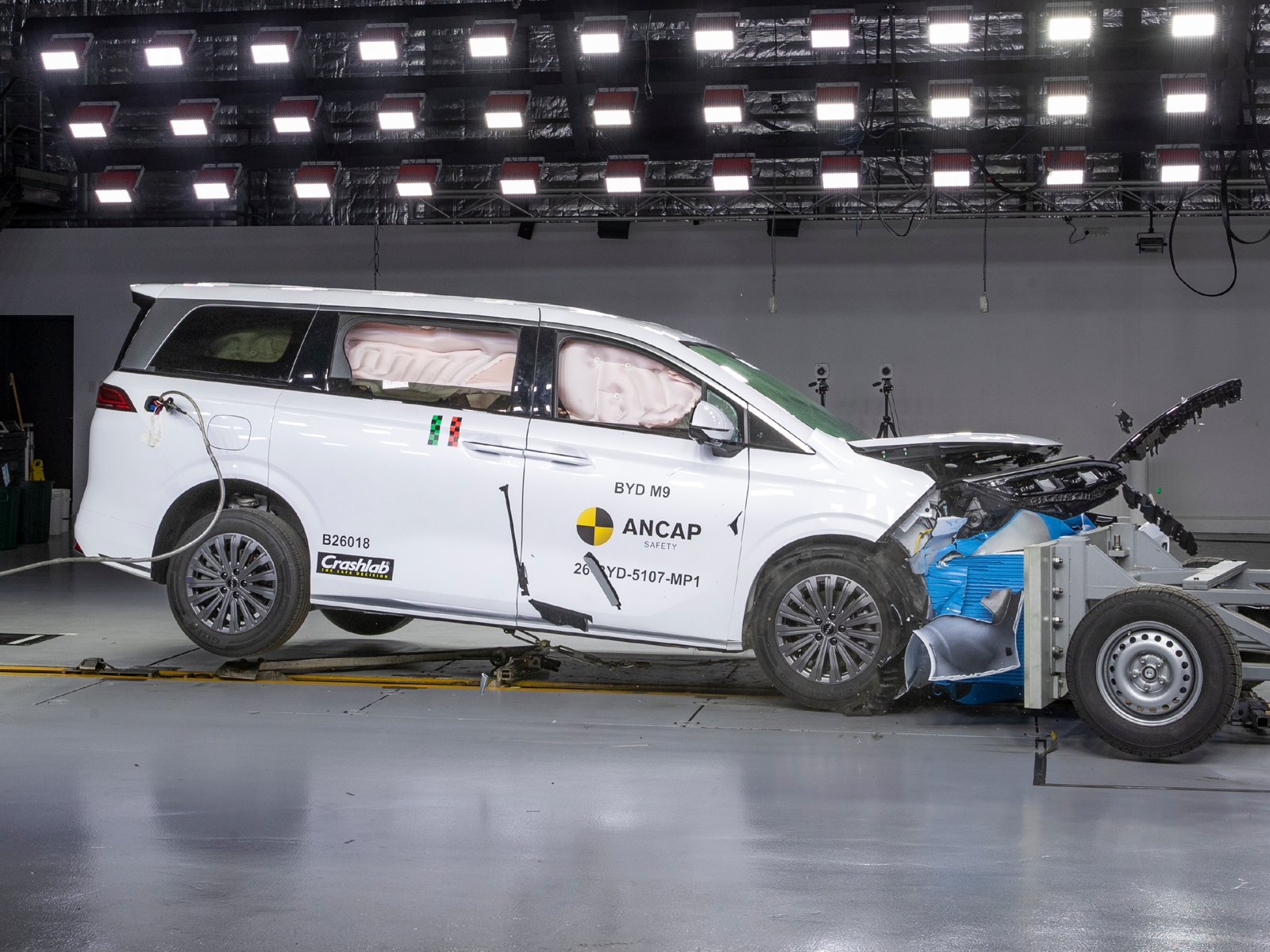
It comes with the newer safety features ANCAP’s current protocols push for, including stature classification, child presence detection and a driver distraction system, all of which performed well. AEB and lane departure prevention performed well across many scenarios.
Crash tests showed low occupant injury risk in almost all areas. Whiplash protection was good in the first and second rows but marginal in the third. Top-tether anchorages are provided in the second row and the left outboard seat of the third row, although many child restraints could not be correctly installed in that third-row position.
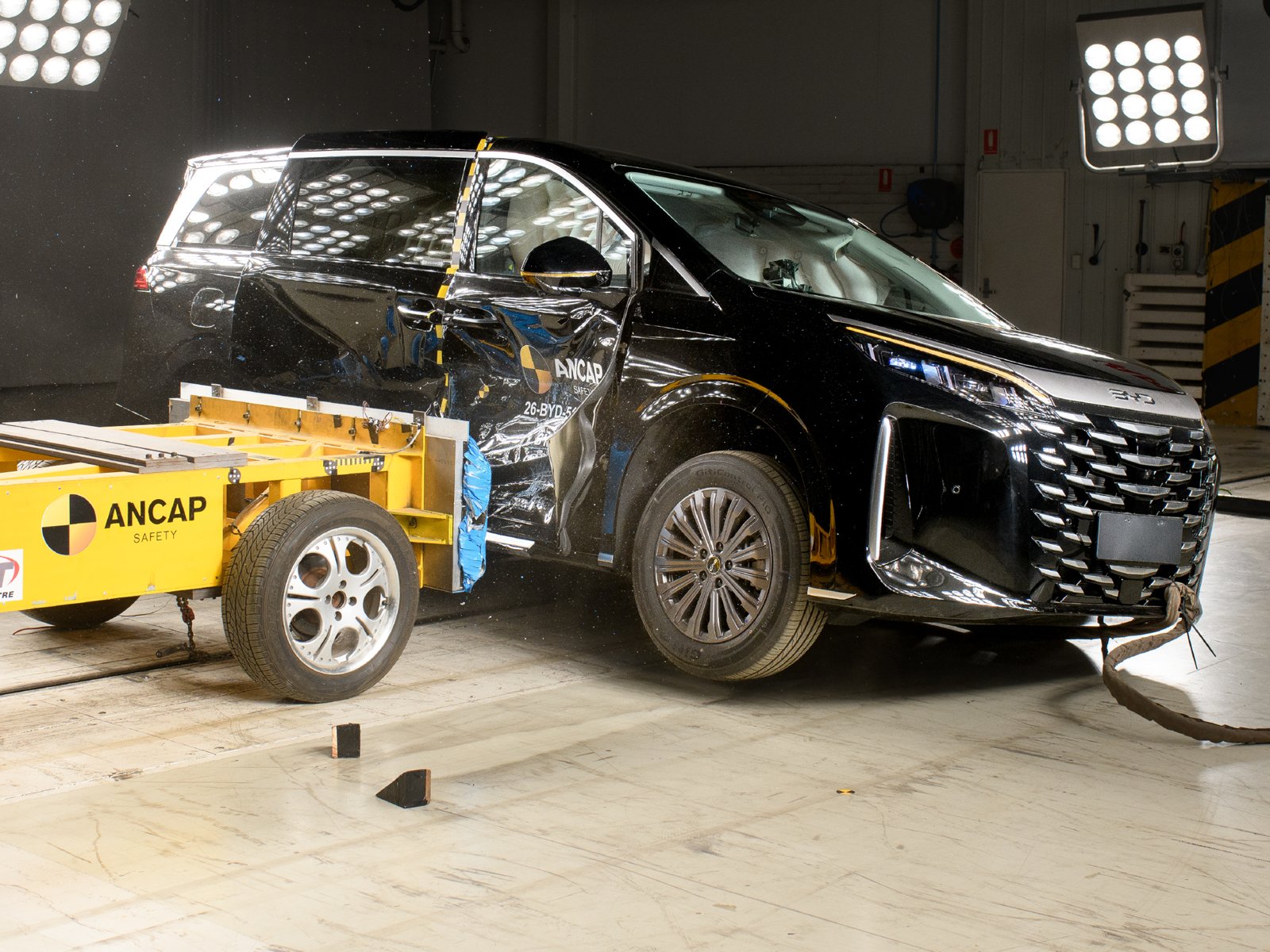
The M9 met every post-crash requirement, including emergency information, battery voltage isolation and fire risk management, and has eCall.
Join the conversation