
Up to 100 two-way EV chargers for NZ’s largest V2G trial
EECA and OpenLoop will install up to 100 two-way EV chargers to test whether car batteries can cut power bills and support the grid.
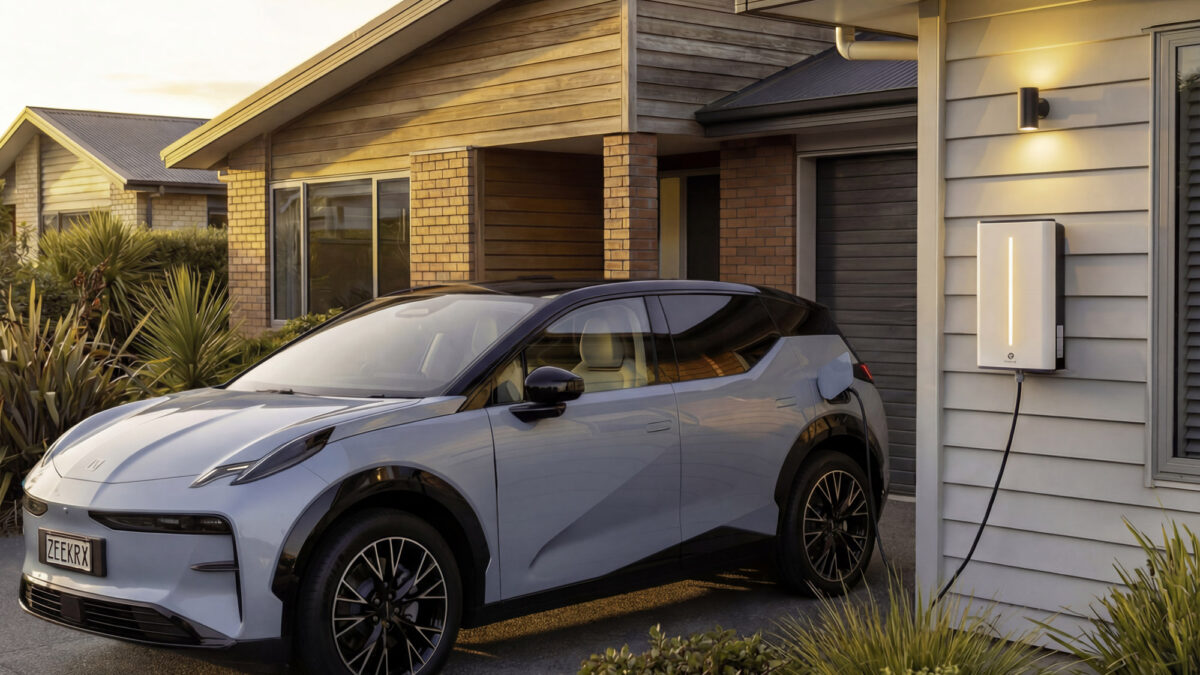
Up to 100 two-way EV chargers will be installed around New Zealand in what is being described as the country’s largest trial of the technology, testing whether car batteries can cut household and business power bills while supporting the electricity network.
The trial is being run by the Energy Efficiency and Conservation Authority (EECA) and OpenLoop, the national charging business of Auckland lines company Counties Energy. Chargers will go into homes, commercial fleets and depots in several urban centres including Auckland, and a small number of heavy-vehicle chargers may be included.
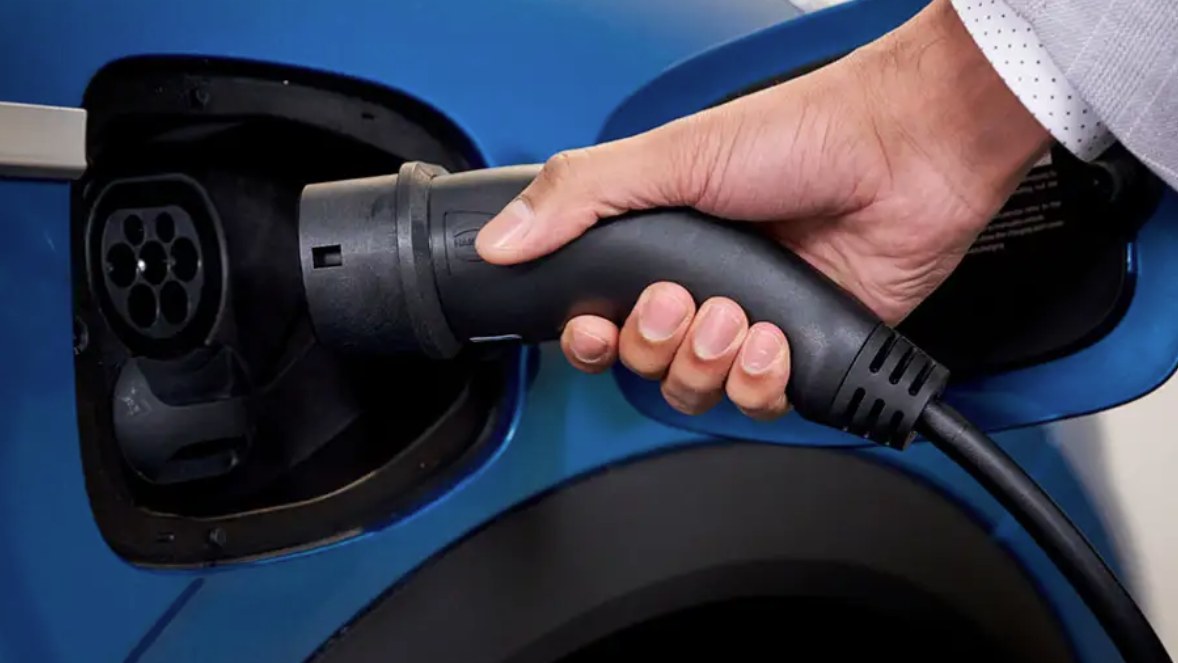
Two-way charging lets an EV draw power from the grid and later send it back to a house, a business or the wider network. That could let owners charge when power is cheap and export when prices and demand are high, while reducing peak demand and helping during outages.
“EV chargers are a proven technology and as EV uptake grows, electricity demand increases, and more electricity comes from renewable and intermittent sources, we want to understand how the latest two-way charging technology can open up access to energy storage for New Zealand,” said EECA policy and regulation group manager Murray Bell.
“EECA research shows home charging is the main way people charge their EVs. This means there is potential to use parked vehicles for energy storage while they are charging at home.”
The new trial builds on the smaller one under way in Queenstown, where 30 to 40 chargers are being installed in homes and businesses through 2026 and early 2027. As EECA’s first report from that trial found, vehicle-to-grid chargers are not yet widely available here, few vehicles are supported by their makers for it, and local standards are still developing.
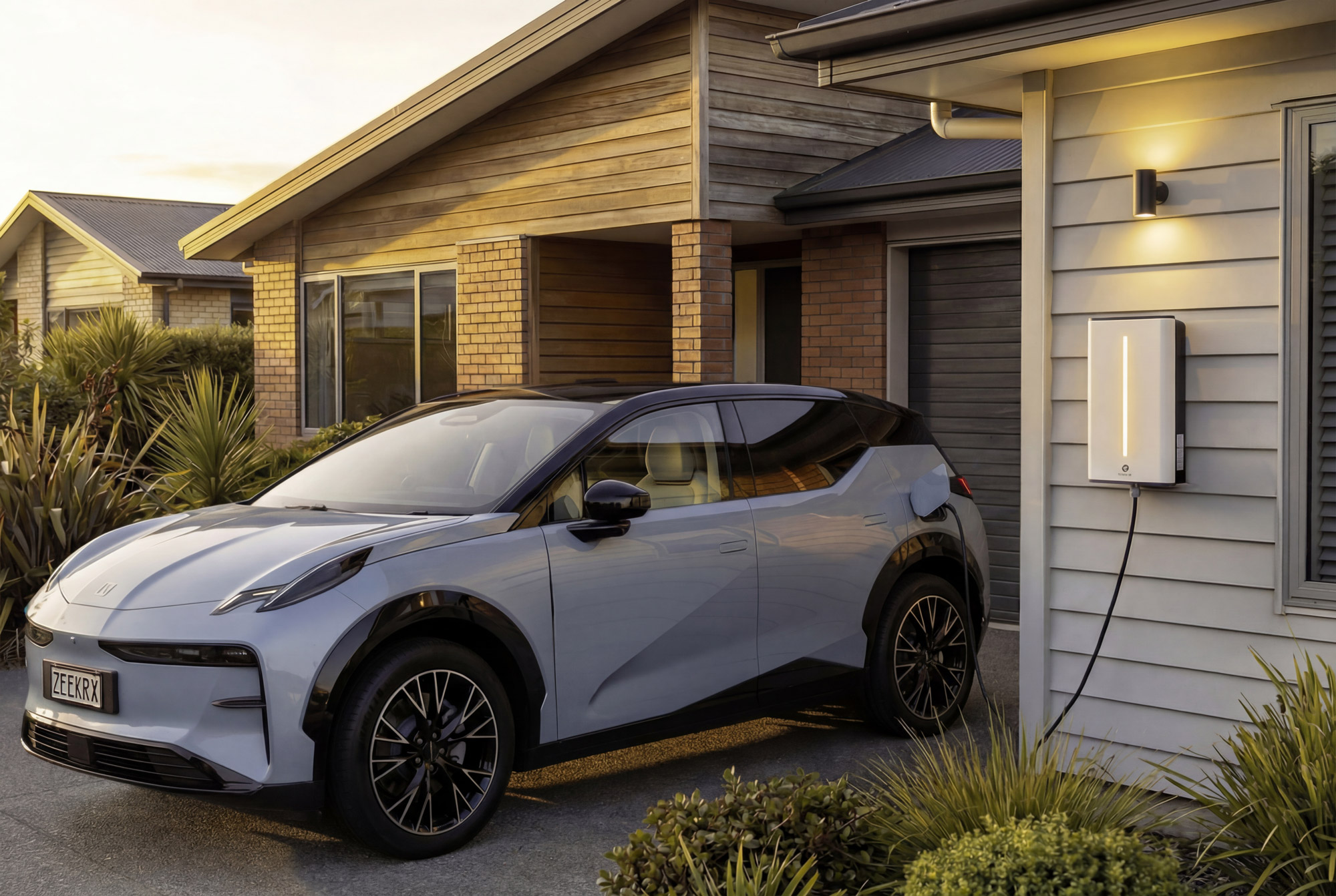
The trial will look at how the chargers respond to electricity prices and peak demand, along with installation, safety, compliance and software requirements. It will also examine how people use the technology and how retailers or aggregators could pay EV owners for making their stored energy available.
“For customers, there are many potential benefits, including reducing the cost of their power bills by changing their consumption behaviour,” said Counties Energy chief executive Judy Nicholl.
Bell said the findings would build an evidence base for future policy and guidance on rolling out two-way chargers across the country.
Join the conversation