
Australia’s largest commercial V2G trial to plug in 130 fleet EVs
ARENA is backing REVS2, a JET Charge-led project putting up to 130 EVs and bidirectional chargers into the ACT Government fleet to test the business case for vehicle-to-grid.
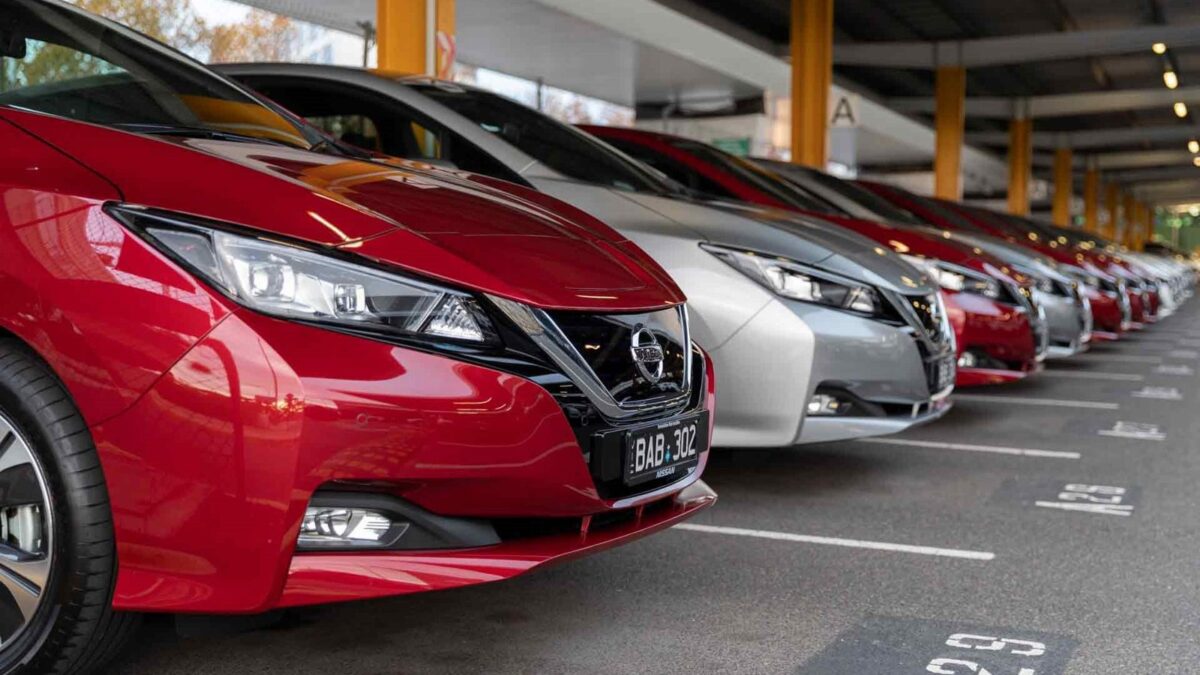
Australia is about to put vehicle-to-grid (V2G) technology to work in a real commercial fleet, with up to 130 electric vehicles and bidirectional chargers set to roll out across the ACT Government fleet in Canberra.
The Australian Renewable Energy Agency (ARENA) has committed A$4 million to the project, called Realising Electric Vehicle-to-Grid Services 2 (REVS2). Charging infrastructure company JET Charge will deliver it, and ARENA describes it as Australia’s largest commercial V2G deployment.
The Canberra Times reports the three-year project is worth A$5.35 million in total, with JET Charge contributing A$1.25 million. It is due to run until mid-2029.
The aim is to test whether a working fleet can cut its running costs by selling services back to the grid without getting in the way of what the vehicles are there to do. Many of the ACT Government cars are used for in-home health services, so they are typically parked and could be connected to the grid overnight.
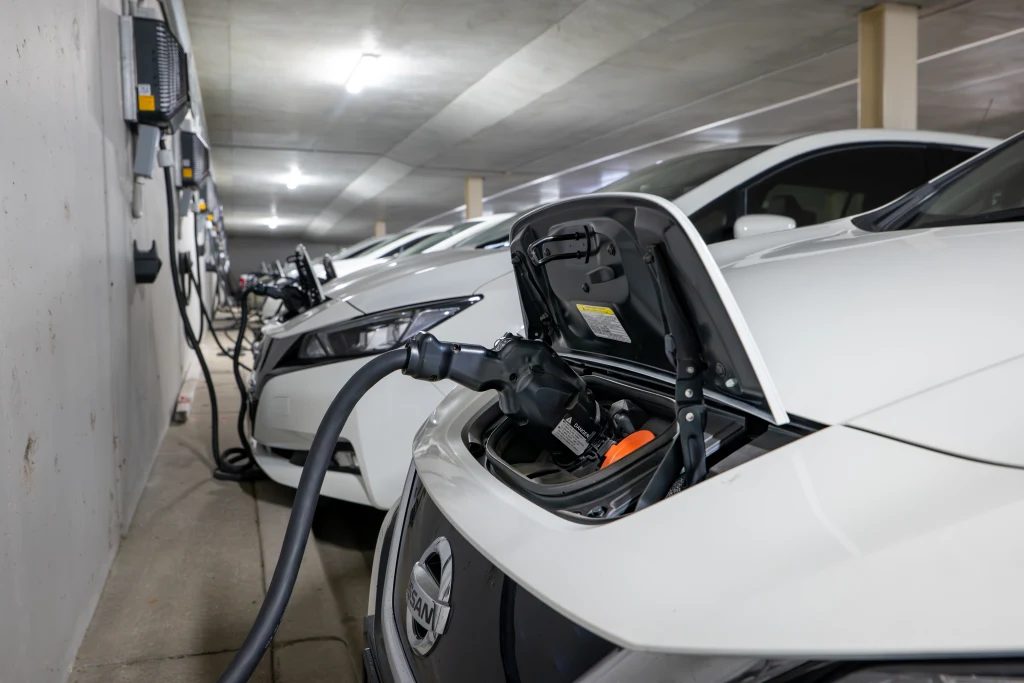
Building on the first REVS trial
REVS2 follows Australia’s first V2G trial, which ARENA backed with A$2.4 million in 2020. That project was led by ActewAGL with a consortium including JET Charge, Evoenergy, SG Fleet, Nissan, the Australian National University and the ACT Government, and used 51 Nissan Leafs.
It showed EVs could safely export electricity to the grid. During a storm-related blackout in Victoria in February 2024, 16 of the trial cars fed power back into the grid, responding to a grid signal within seconds and returning to normal charging a few minutes later once the grid had stabilised, according to the ACT Government.
This time, the question is the business case. JET Charge will upgrade its charging management software to coordinate charging and discharging around electricity tariffs, vehicle availability and grid needs. ActewAGL will provide a virtual power plant tariff structure, and the Australian National University will study the commercial benefits and share its findings with the fleet sector.
“Electric vehicles have the potential to do much more than just move people and goods from A to B,” says ARENA chief executive Darren Miller. “This project builds on the success of Australia’s first vehicle-to-grid trial. It will provide real-world evidence on how fleets can be rewarded to use their electric vehicles to support the grid.”

JET Charge chief executive Tim Washington says the technology itself is no longer the open question.
“We know vehicle-to-grid technology works. We helped show that in the original REVS project. Now we need to prove it makes commercial sense. If we can help fleets reduce their operating costs by supporting the grid, that’s a business case any CEO can get behind.”
Why it matters for New Zealand fleets
ARENA’s 2025 national Bidirectional Charging Roadmap estimates that if 10 percent of a projected 1.5 million Australian EVs by 2030 used V2G, they could meet 37 percent of the National Electricity Market’s storage needs.
New Zealand is working through the same questions on a smaller scale. EECA’s Queenstown V2G trial report looked at how a local market could work, a separate programme is rolling out up to 100 two-way chargers in NZ’s largest V2G trial, and Genesis has confirmed EVs can help power homes in its Auckland trial.
What the Canberra project adds is a large government fleet running V2G as part of its daily work, which is the kind of evidence fleet managers on both sides of the Tasman will be watching for.
Join the conversation