
XPeng’s IRON robot enters production in January. Its engineer tells us what it can and can’t do
XPeng starts volume production of its IRON humanoid robot in January. Vice president Jacky Gu says some housework is possible before 2030.
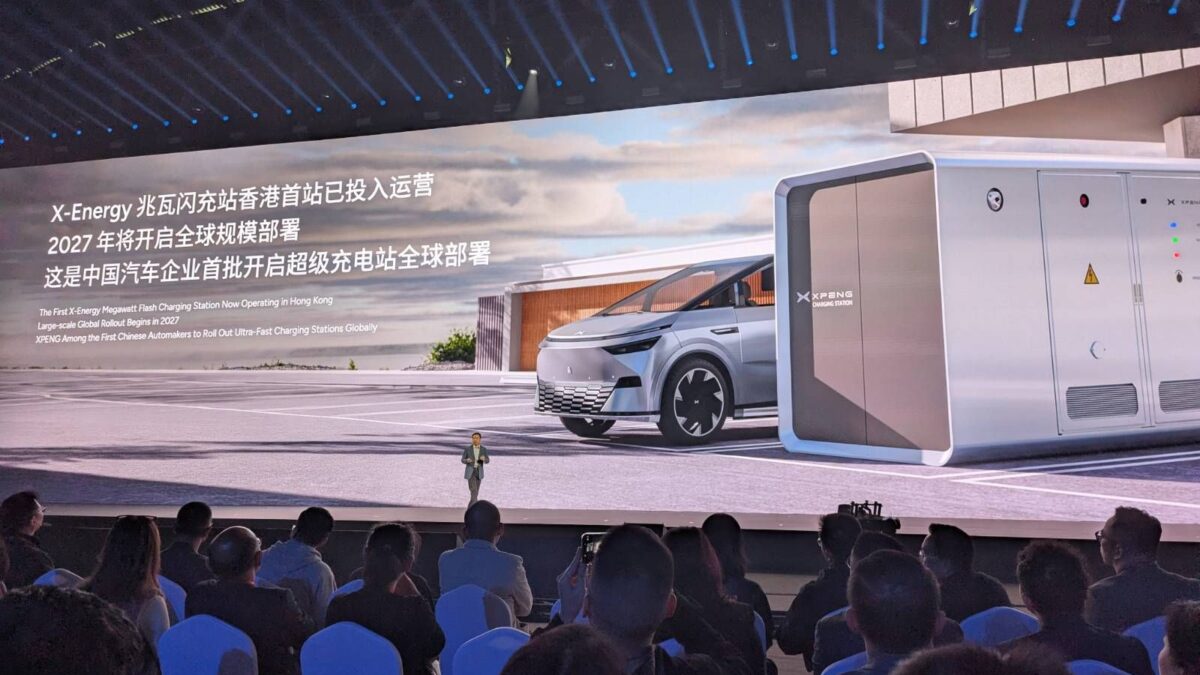
XPeng will start building its IRON humanoid robot in volume in January, and the executive in charge of it says a version that can handle some household jobs should follow before 2030.
The Chinese carmaker used its AI Day in Guangzhou this week to show the production version of IRON. Robots will begin training as assistants in XPeng’s own stores in the first quarter of 2027, greeting customers and explaining products. At full capacity the production line is designed to turn out one robot every 2.5 minutes.
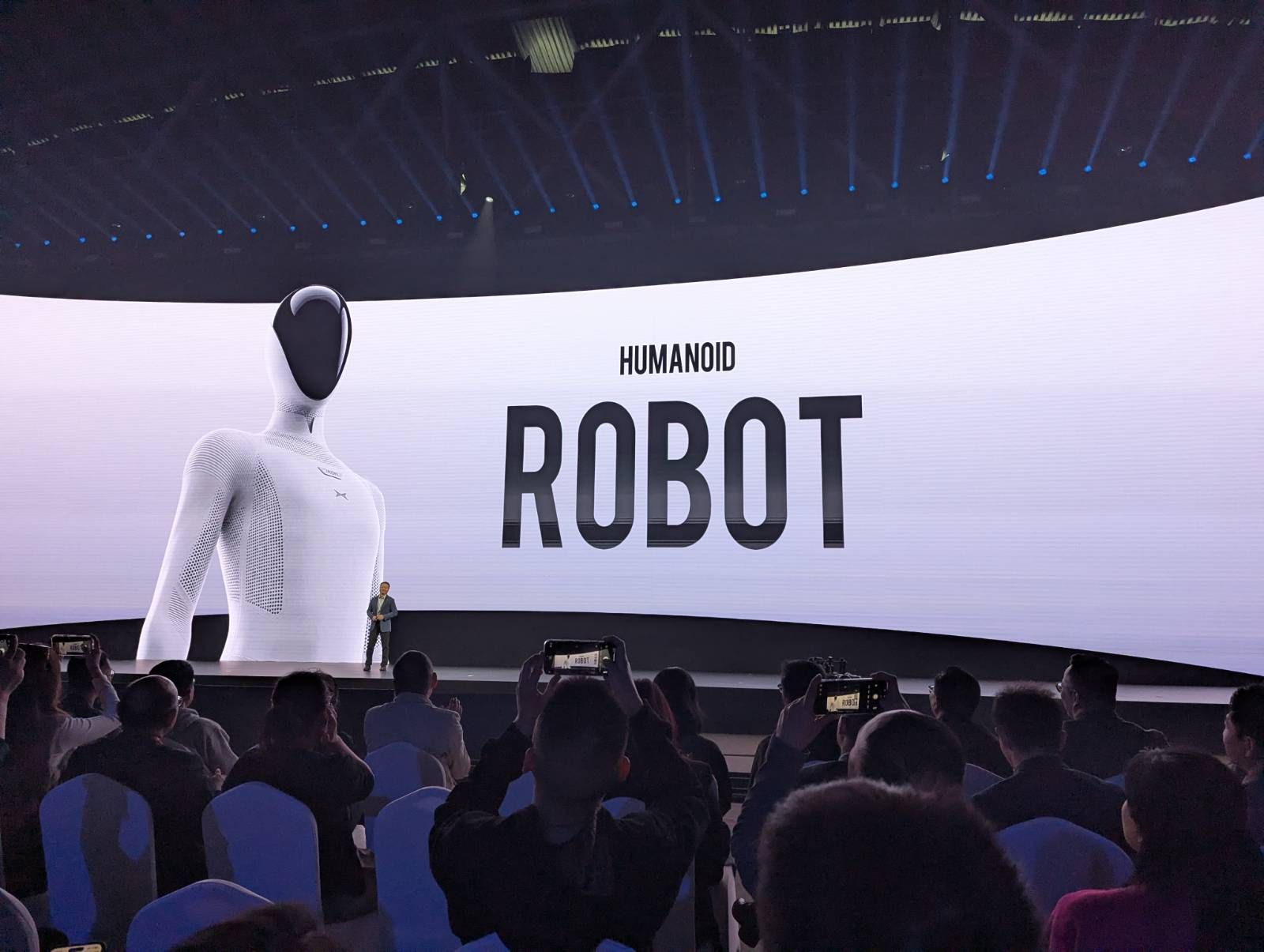
IRON has 76 degrees of freedom across its body, 21 of them in each hand, and more than 1500 tactile sensing points. It runs on three of XPeng’s own Turing chips, the same number fitted to the top L03 Ultra sold in New Zealand.
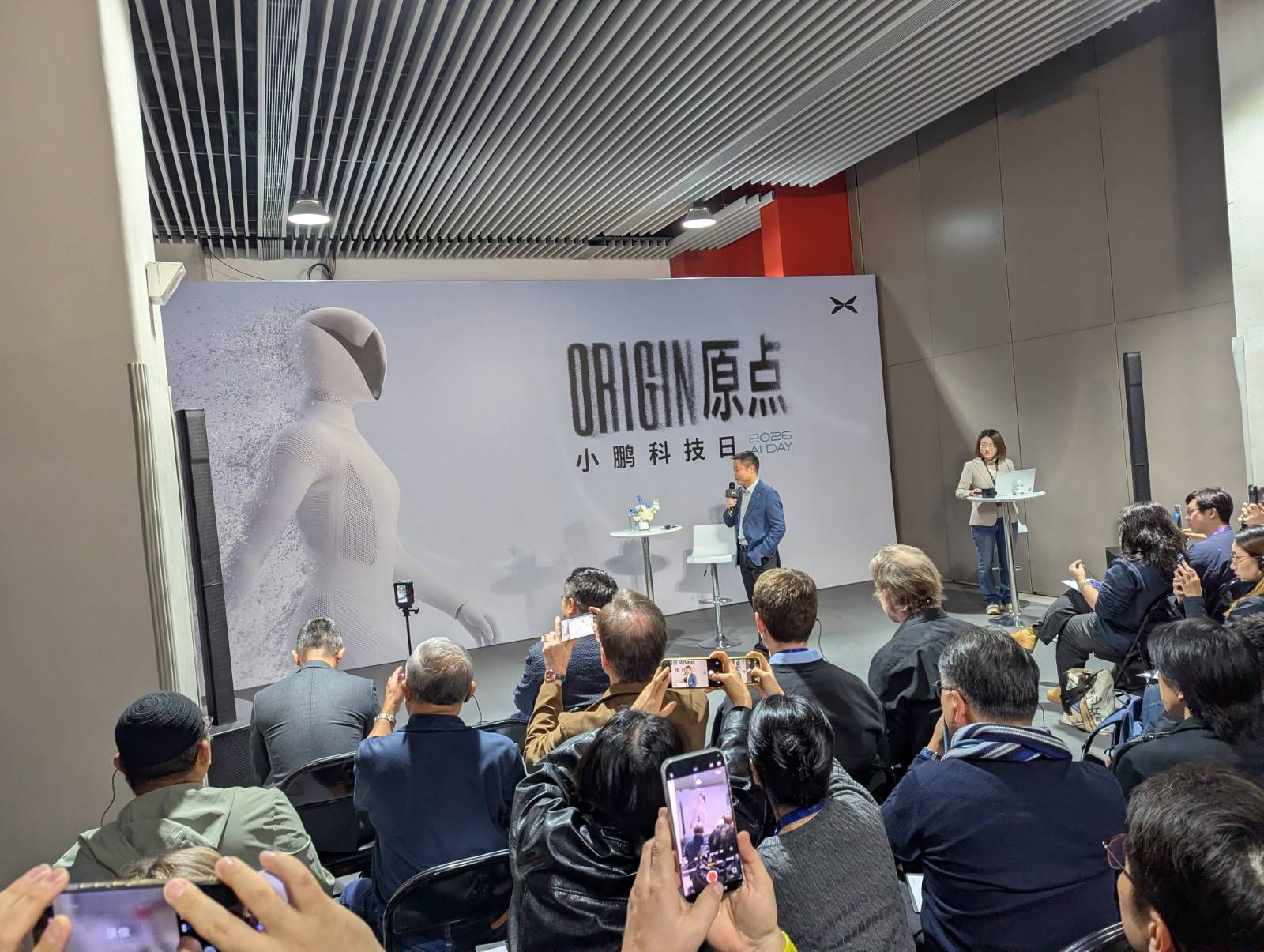
EVs and Beyond sat down with XPeng vice president Jacky Gu after the event, and he also took questions from international media.
Why a robot says it’s nervous
On stage, IRON told the audience it was nervous. We asked Gu why XPeng gives a machine emotions it doesn’t have, and whether they can be turned down.
“At this time it maybe feels neutral, not so emotional,” Gu says. “But we believe that in the future, not so far away, we will make IRON more emotional, if that is what people want.”
He says the ability to adjust it is “definitely” coming, and that the human form is what draws people in.
“Most people, when they see IRON for the first time, are shocked by its form, and they want to be close to IRON and talk with him,” he says. “If IRON can respond like a friendly person, with different emotions, it will be easier to talk with and it gives a very good feeling of communication.”
Dinner and dishes
IRON’s first jobs are commercial. Asked when it might cook dinner or wash dishes at home, Gu called that XPeng’s next target and agreed it should happen before 2030, with a qualification.
“I mean not full capability to cover everything,” he says. “Maybe you want to wash something, you want to cook something. Maybe some of them, or part of them.”
Gu says IRON can’t pick up a person. Its hands are built for dexterity and can comfortably hold and carry three to five kilograms.
Warm skin, hot hardware
IRON’s soft skin is warm to the touch, and the cooling fans were audible during the demonstration. Gu says the skin makes his team’s job harder.
“The skin is friendly for people, but it’s challenging for engineering,” he says. “If we cover our skeleton with this kind of soft skin, it impacts the thermal side. The battery pack generates heat, the actuators generate heat, all the hardware generates heat, and we need to take that heat out.”
Small holes in the skin, fans and an internal cooling system do that work.
Most of IRON’s thinking happens on board, he says, with a cloud connection used for slower reasoning where a delay doesn’t matter. He wouldn’t put a figure on how long it takes to teach the robot a new skill, saying it depends on how big the skill is and how far it has to be broken down.
Beyond China
Gu describes next year’s China launch as “a very solid plan”. Wider overseas deployment could come in 2028 or 2029, he says, depending on regulation in each market. Asked whether IRON would reach Australia within three to five years, he said it could. XPeng has given no timing for New Zealand.
XPeng plans to sell the hardware to commercial and industrial customers and charge subscriptions for software. It hasn’t announced a price.
Formal engineering work on IRON began two and a half years ago, Gu says, though XPeng has been working on robots for seven or eight. The name was chosen by chief executive He Xiaopeng and other senior leaders about three years ago because it is easy to say and remember in any language. In China the robot goes by Xiao Tie.

Join the conversation